



Mastering Long-Distance DMX Signal Transmission for Bridge Lighting
Field-proven DMX512 transmission technologies for complex bridge environments — from 3 km spans to remote dead zones.
Core Engineering Pain Points
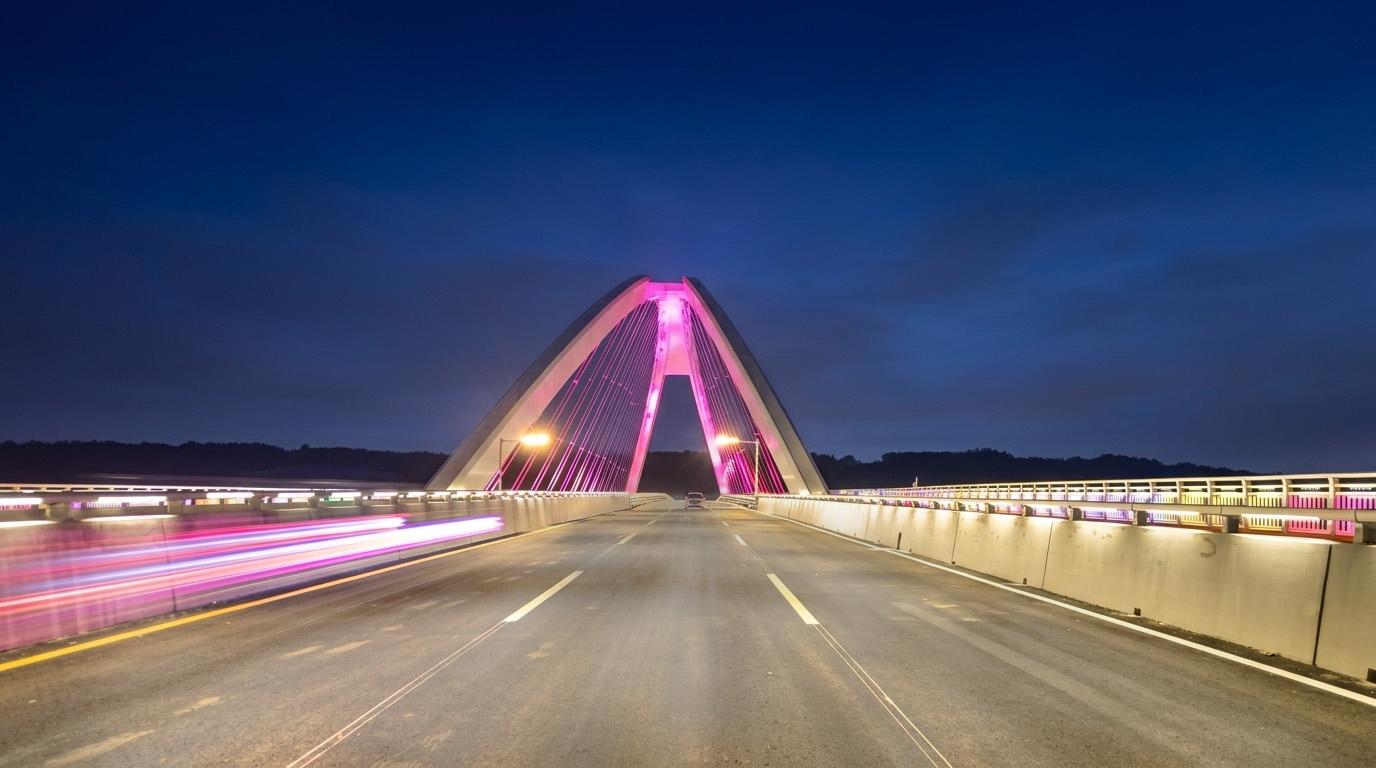
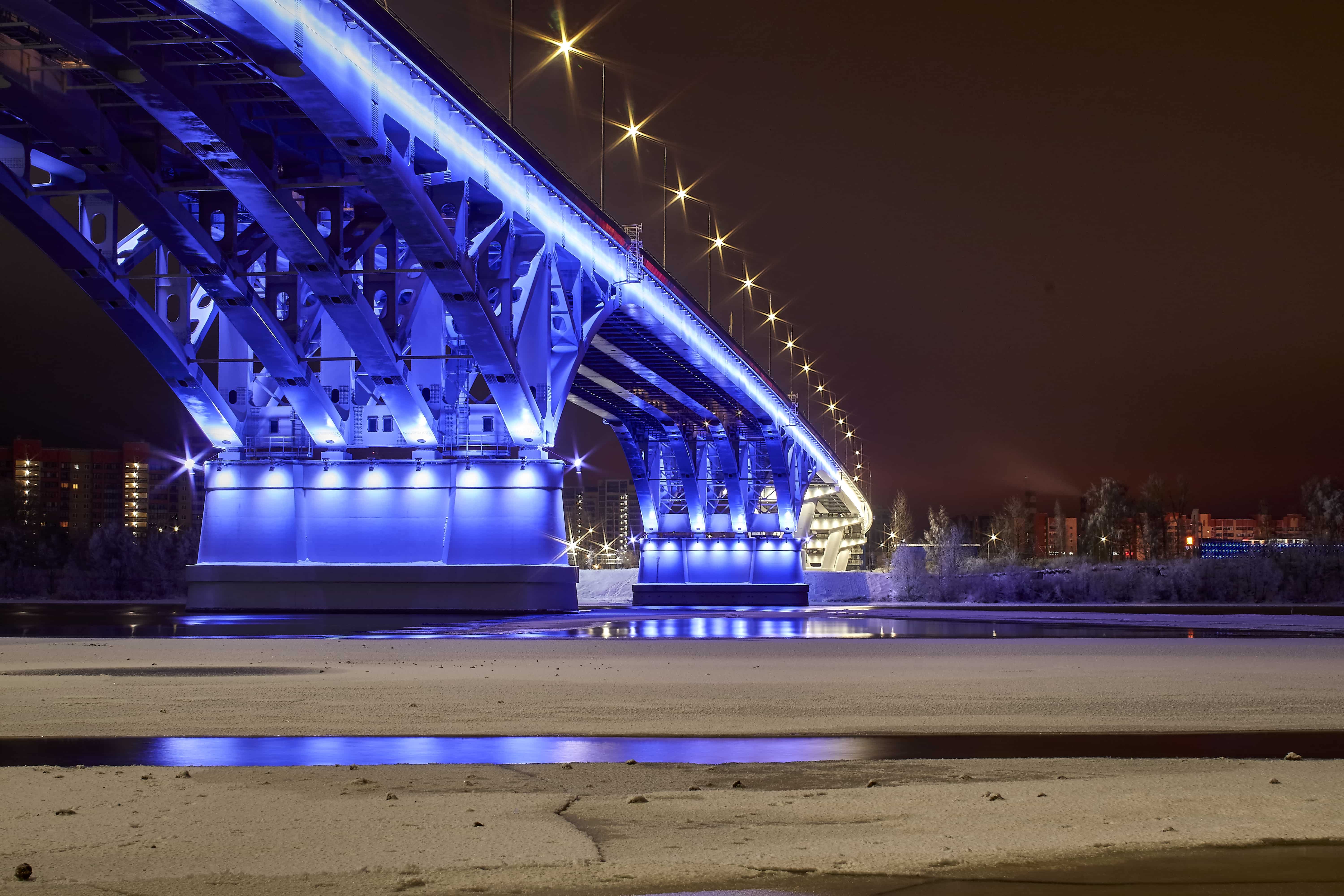
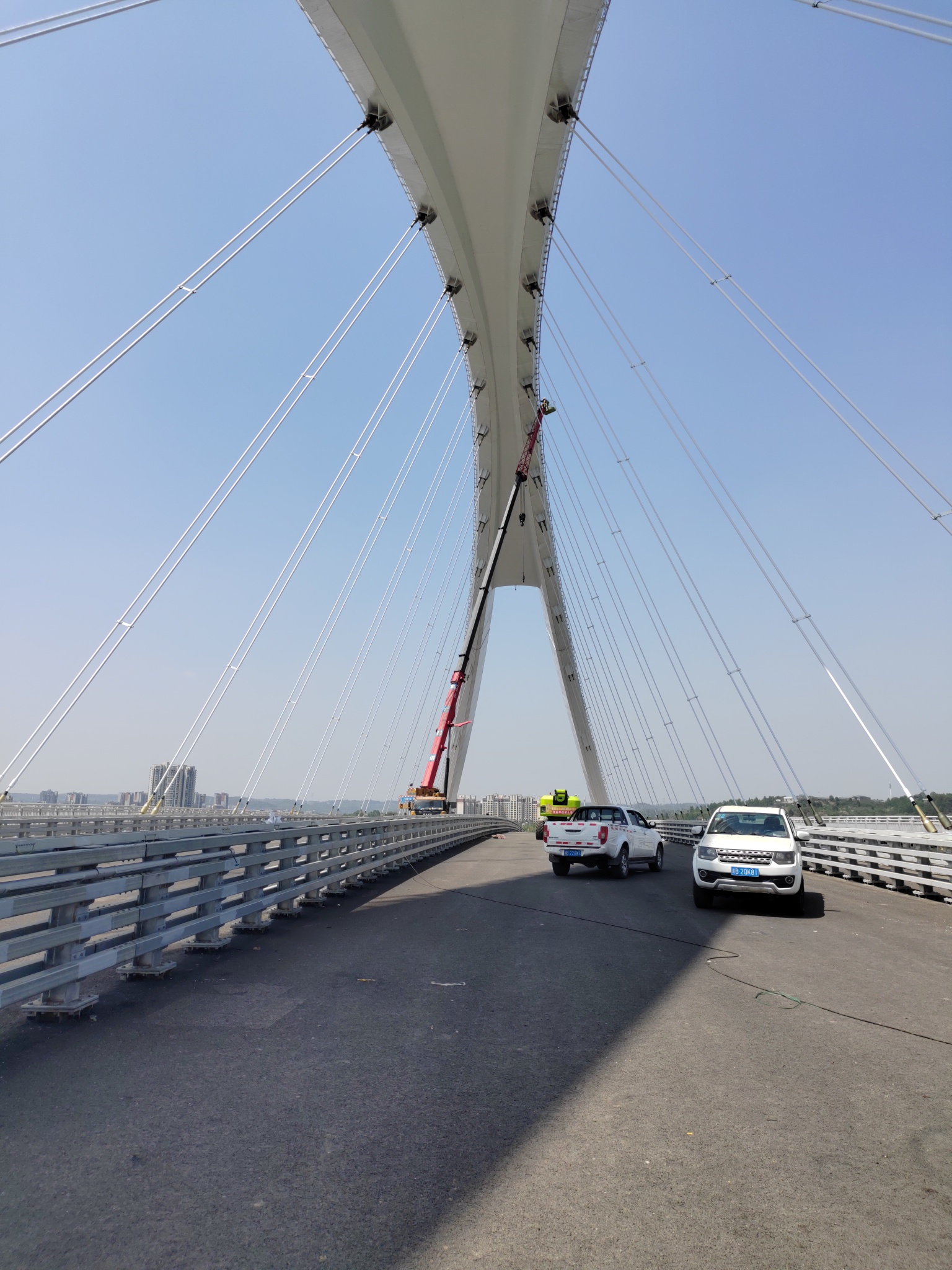
Modern architectural bridge lighting relies on DMX512-A and Art-Net protocols for dynamic, synchronised light control. Across long-span bridges of 3 to 30 km, and in harsh environments such as severe salt spray, strong electromagnetic interference and cellular dead zones, traditional transmission methods frequently fail. We identify three core obstacles that global contractors face:
Wired DMX limitations
Hardwiring across bridge spans is difficult to deploy, labour-intensive and susceptible to signal attenuation over long distances.
Conventional wireless instability
Standard wireless DMX bridges typically cover 1 km or less and are highly vulnerable to interference, leading to signal distortion, disconnection and unsynchronised light effects.
Network dead zones
Remote or deep-water bridges often lack reliable public cellular coverage, interrupting critical DMX signals and blocking festival-mode switching and emergency lighting control.
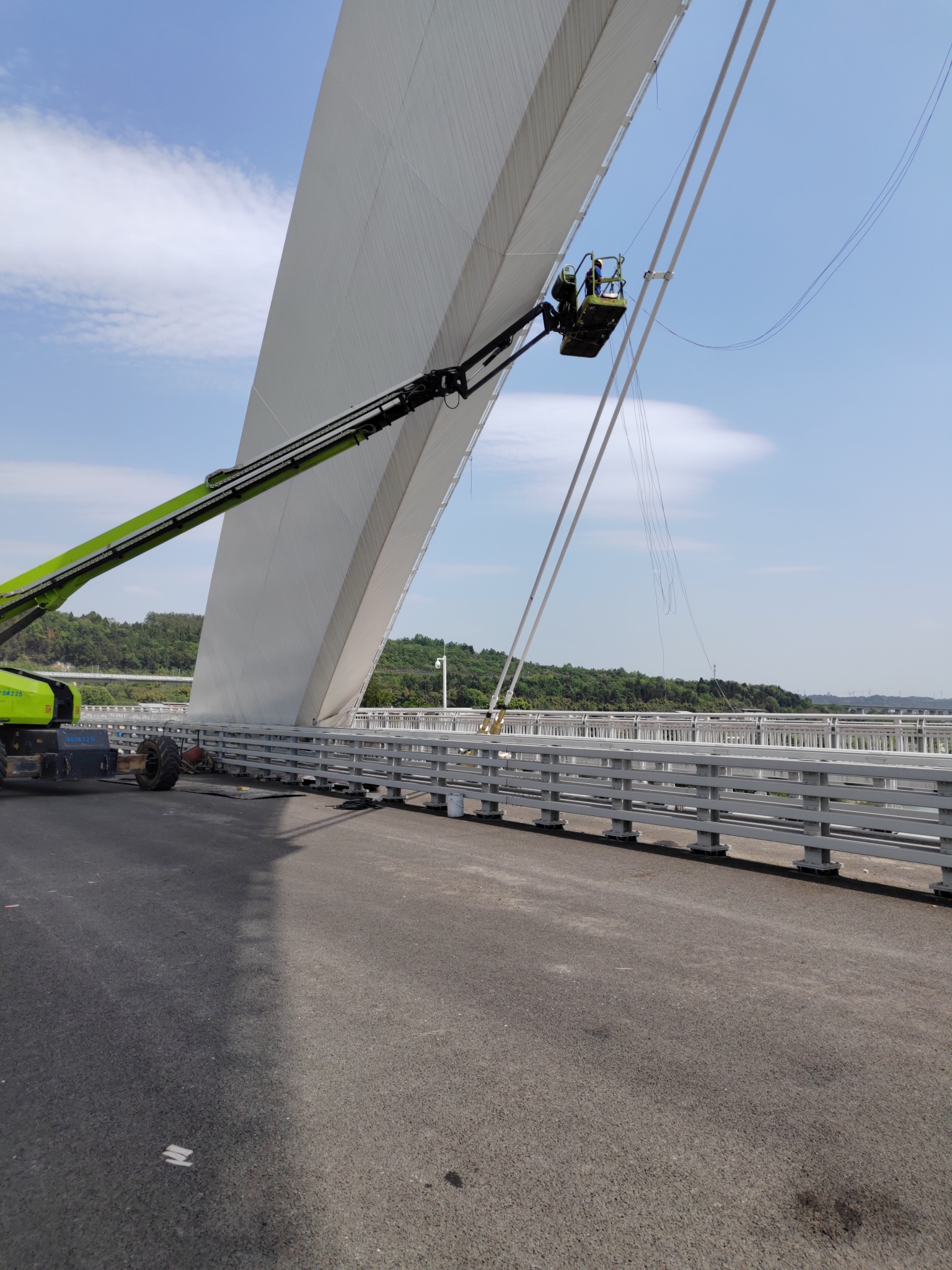
Signal attenuation and interference grow with span length and environmental complexity.
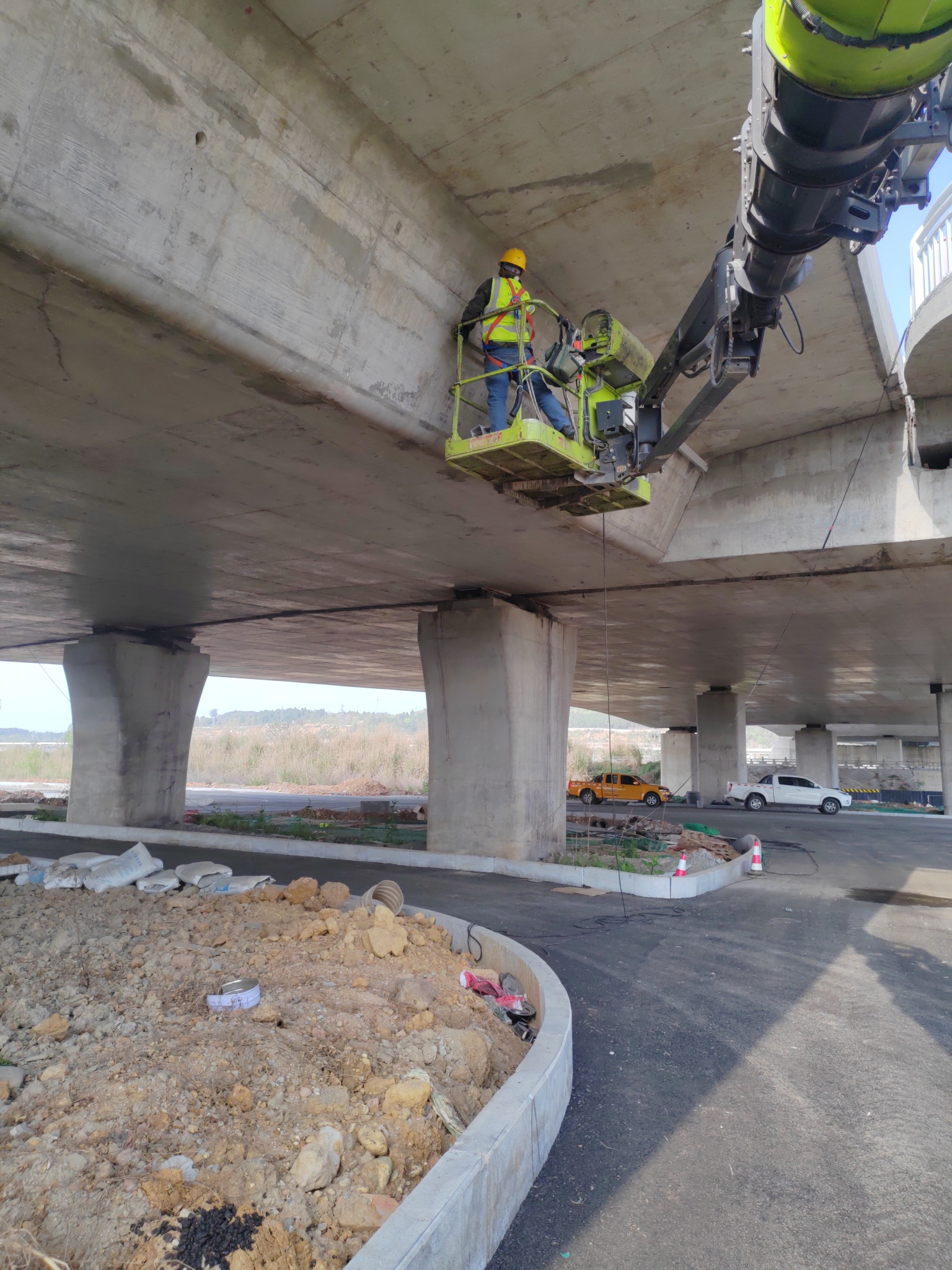
Bridge traffic and high-voltage lines generate interference that can distort DMX frames.
Field-Proven Transmission Technologies
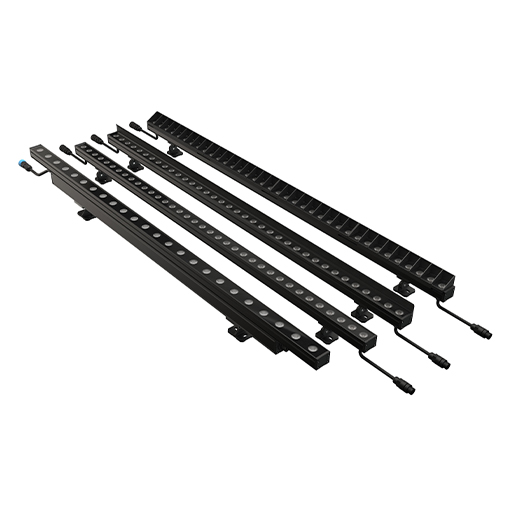
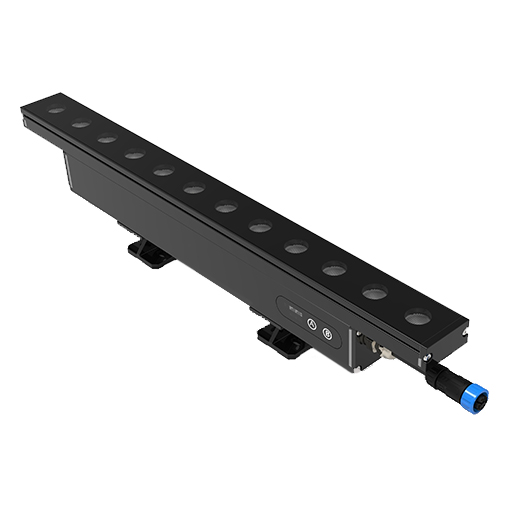
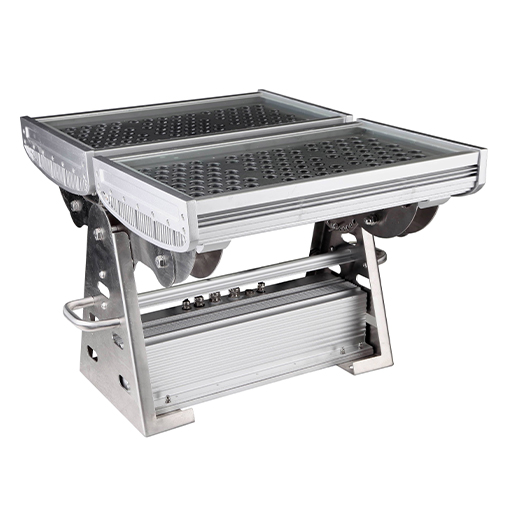
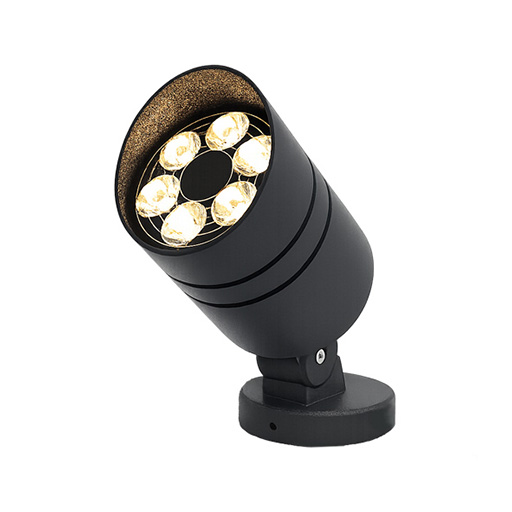
Based on our heavy-duty bridge lighting product portfolio, TPK has engineered a hybrid architecture: dedicated DMX terminals combined with mature wireless links. Instead of experimental concepts, we focus on stable, field-proven deployment technologies.
| Technology type | Core parameters | Applicable scenarios | Key advantages |
|---|---|---|---|
| DMX-LoRa dedicated gateway | Range 5–10 km (open area); delay ≤20 ms; supports 256 DMX nodes; low power consumption. | Medium-span bridges (3–10 km) and localised landscape projects. | Strong anti-interference performance resolves DMX attenuation; IP68 protection; up to 10 years of battery life per node. |
| DMX-5G/4G integrated terminal | Uses public carrier networks; delay ≤10 ms; supports 512 DMX nodes; unlimited range. | Urban bridge groups and cross-river/cross-sea bridges within reliable public coverage. | Dual-SIM redundant switching designed for a 99.9% connection success rate; full Art-Net compatibility for large node counts. |
| DMX wireless bridge (PTP) | 5 GHz band; range 3–15 km; near-zero delay (≤5 ms); gigabit-level bandwidth. | Ultra-long-span bridges (10–15 km) and critical landmark infrastructure. | Bypasses ground-level electromagnetic interference for lossless transmission; rapid trenchless deployment avoids cabling cost. |
Key Implementation Highlights
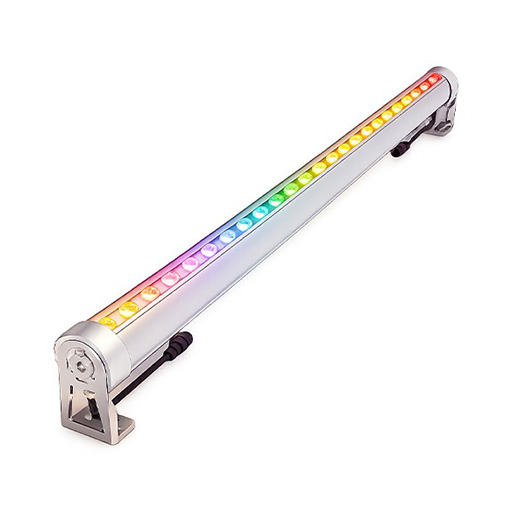
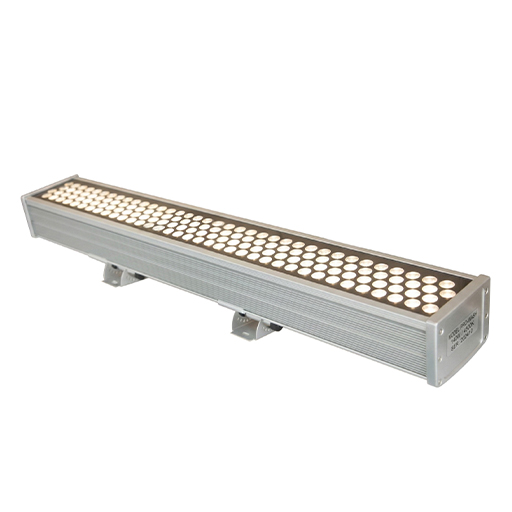
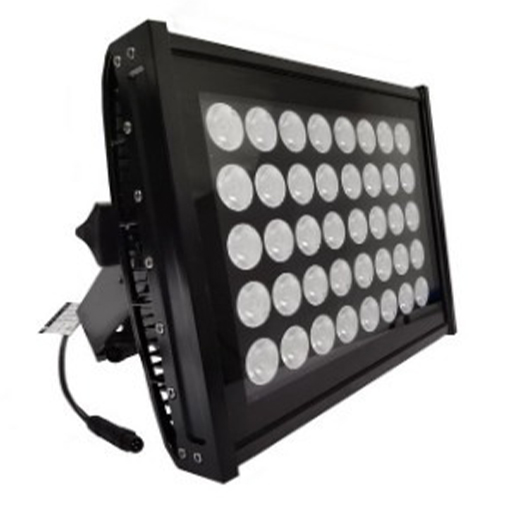
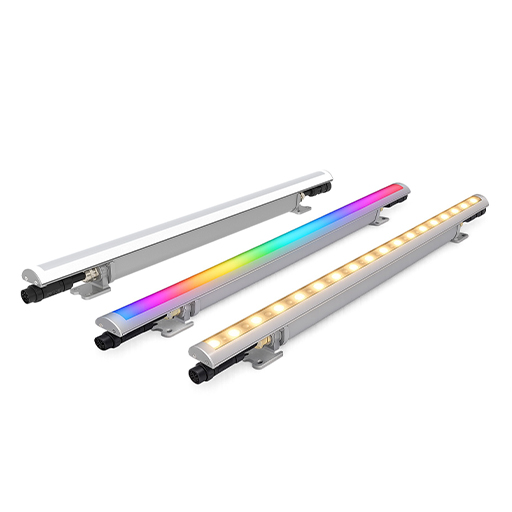
Signal anti-interference: TPK dedicated terminals include built-in hardware filter circuits that reject interference from bridge traffic and high-voltage lines, eliminating signal jitter. Lightweight DMX data compression reduces bandwidth load for consistent synchronisation across LED wall washers and linear lights.
Disconnection retransmission and redundancy: smart terminals cache DMX data locally and retransmit automatically when the network recovers. Critical links use a DMX-LoRa + DMX-5G dual-backup architecture that switches within 10 ms during link failure, keeping light shows continuous.
Industrial-grade hardware: all transmission equipment is housed in IP68 enclosures, operating from -40°C to +85°C, with salt-spray resistance and vibration-damped construction for high-altitude and marine bridge environments.
Typical Application Scenarios
1. Cross-river and cross-sea bridges (3–15 km)

Solution: deploy DMX-LoRa gateways or wireless PTP bridges as the primary link, with DMX-5G as the fail-safe backup.
Value: reliable long-distance DMX transmission across 5 to 15 km with synchronised dynamic effects (rhythm gradients, holiday modes). Compared with traditional wired fibre-optic installation, deployment cost is reduced by approximately 60% and O&M efficiency is about three times higher.
2. Centralized control of urban bridge groups
Solution: use DMX-LoRa point-to-multipoint (PTMP) networking to interface uniformly with the DMX controllers of multiple bridges across a city district.
Value: gives municipal engineers one-click control of city-level lighting themes and removes the need for large-scale cross-city trenching and cabling, lowering both initial capex and long-term maintenance cost.
3. Remote bridges and network dead zones
Solution: rely on DMX-LoRa as the primary infrastructure so foundational DMX transmission does not depend on local telecom carriers.
Value: resolves signal loss in remote, off-grid locations and supports continuous 24-hour DMX control, keeping bridge emergency lighting and daily illumination reliable.
Implementation and Operation Maintenance
Streamlined deployment process: on-site environmental survey, TPK transmission architecture selection, equipment installation and calibration, DMX signal joint debugging, then handover. The process adapts to the physical structure of each bridge for rapid implementation.
Cloud-based O&M: the TPK Cloud Platform monitors DMX signal health (latency, packet loss, distortion rate) in real time. Average fault recovery time is within 2 hours, with scheduled quarterly inspections for long-term stability.
Encrypted signal security: all DMX transmissions use encryption to prevent malicious tampering or cyber hijacking of municipal bridge lighting networks.
As a dedicated bridge lighting service provider, TPK focuses on field-proven, long-distance DMX transmission technologies to help cities build high-quality, enduring nightscape landmarks.
TPK Lighting — bridge lighting engineering team
Through the intelligent integration of mature technologies such as LoRa, 5G and wireless bridges, TPK Lighting resolves the complex DMX transmission challenges of long-span, harsh environments, providing the reliable technical foundation for custom heavy-duty LED architectural lighting packages.
FAQ
What is the maximum transmission distance of a DMX-LoRa gateway?
In open areas a DMX-LoRa dedicated gateway covers approximately 5–10 km with delay up to 20 ms, supporting 256 DMX nodes. For longer spans, DMX wireless PTP bridges cover 3–15 km and DMX-5G/4G terminals are effectively unlimited where public coverage exists.
How does the system behave when the public network fails?
Critical links use a DMX-LoRa + DMX-5G dual-backup architecture that switches within 10 ms. Smart terminals also cache DMX data locally and retransmit automatically when the network recovers, so light shows continue without interruption.
Why not just wire DMX cable along the bridge?
Wired installation across long spans is labour-intensive, expensive and exposed to attenuation and damage. Wireless architectures such as DMX-LoRa and PTP bridges reduce deployment cost by roughly 60% and improve O&M efficiency, while IP68 hardware sustains marine and high-altitude conditions.