


LED Bridge Lighting — Engineering Specifications, IP Ratings and System Design
How to specify IP ratings, cold-climate requirements, control protocols, fixture types and surge protection for bridge lighting.
Why Bridge Lighting Is Different
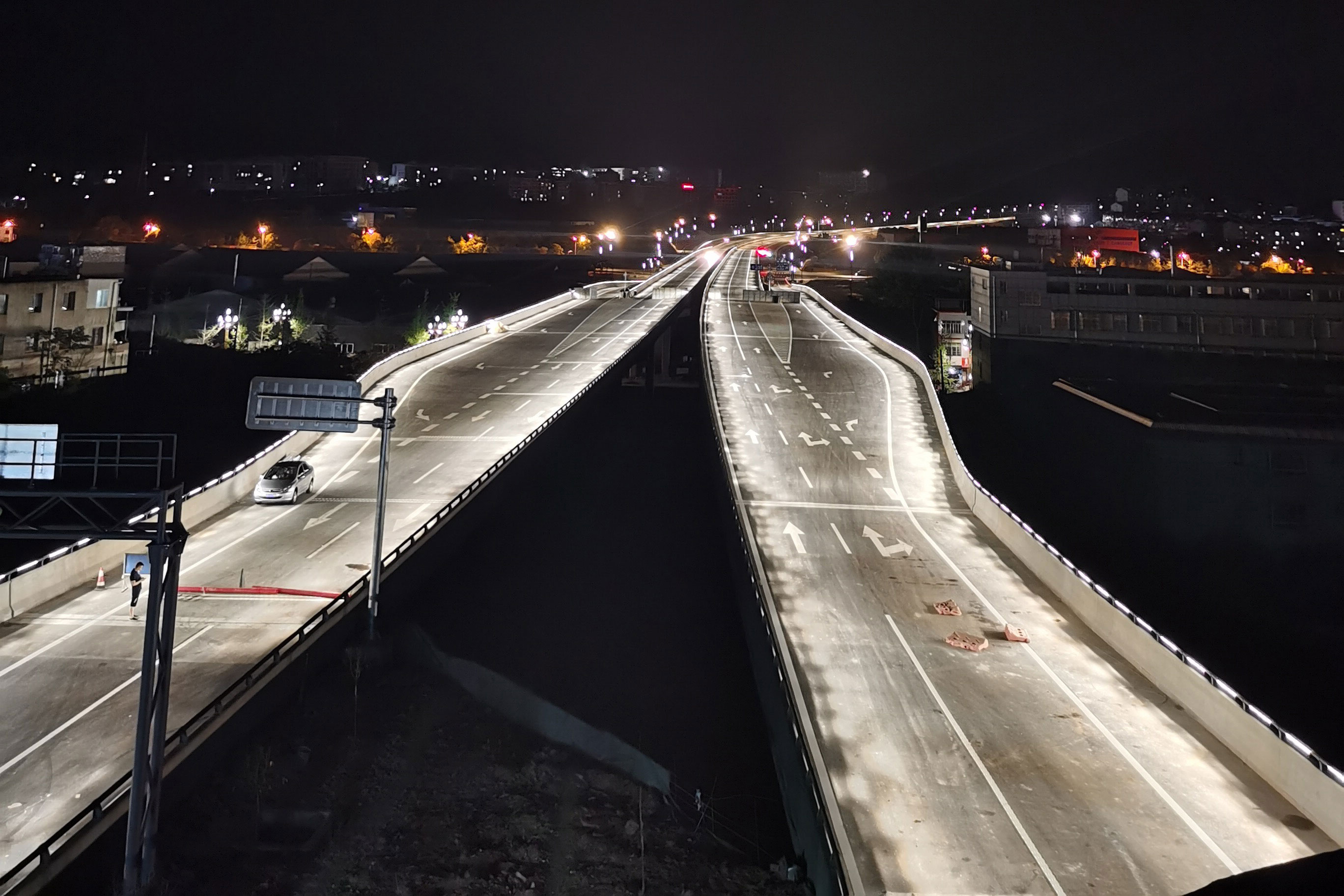
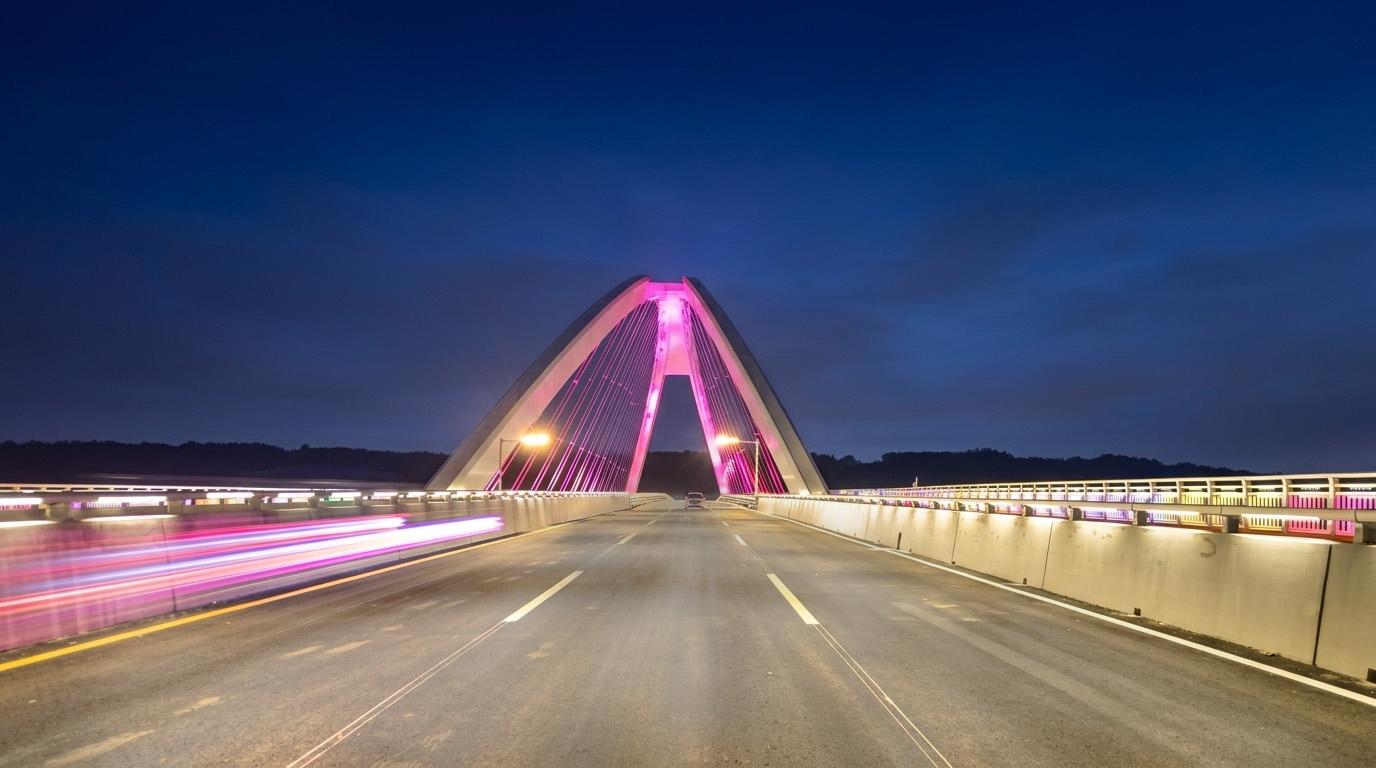
Bridge fixtures are installed directly in the path of road spray from fast-moving vehicles, and may be submerged during flood events. Replacement is expensive and sometimes requires lane closures or specialist equipment. Power distribution runs hundreds of metres, introducing voltage drop and surge exposure that simple building installations do not face. The specification must therefore be treated as a system, not a list of fixture parameters.
IP Rating — The Minimum for Bridge Installation
IP67 provides full dust protection and water immersion resistance to 1 metre for 30 minutes — sufficient for bridge deck fascias, parapet lighting, soffit installations and arch lighting exposed to road spray and temporary flooding. The rating assumes gaskets and seals maintain their performance over a 5-year service period. JGJ/T 163-2008 (Urban Nightscape Lighting Design Standard) is commonly referenced for such requirements.
On coastal or estuarine bridges, IP67 addresses water ingress but not salt-air corrosion. Specify marine-grade surface treatment on aluminium housings, stainless steel fasteners, and verify corrosion resistance testing under IEC 60068-2-52 salt mist.
Cold-Climate Requirements
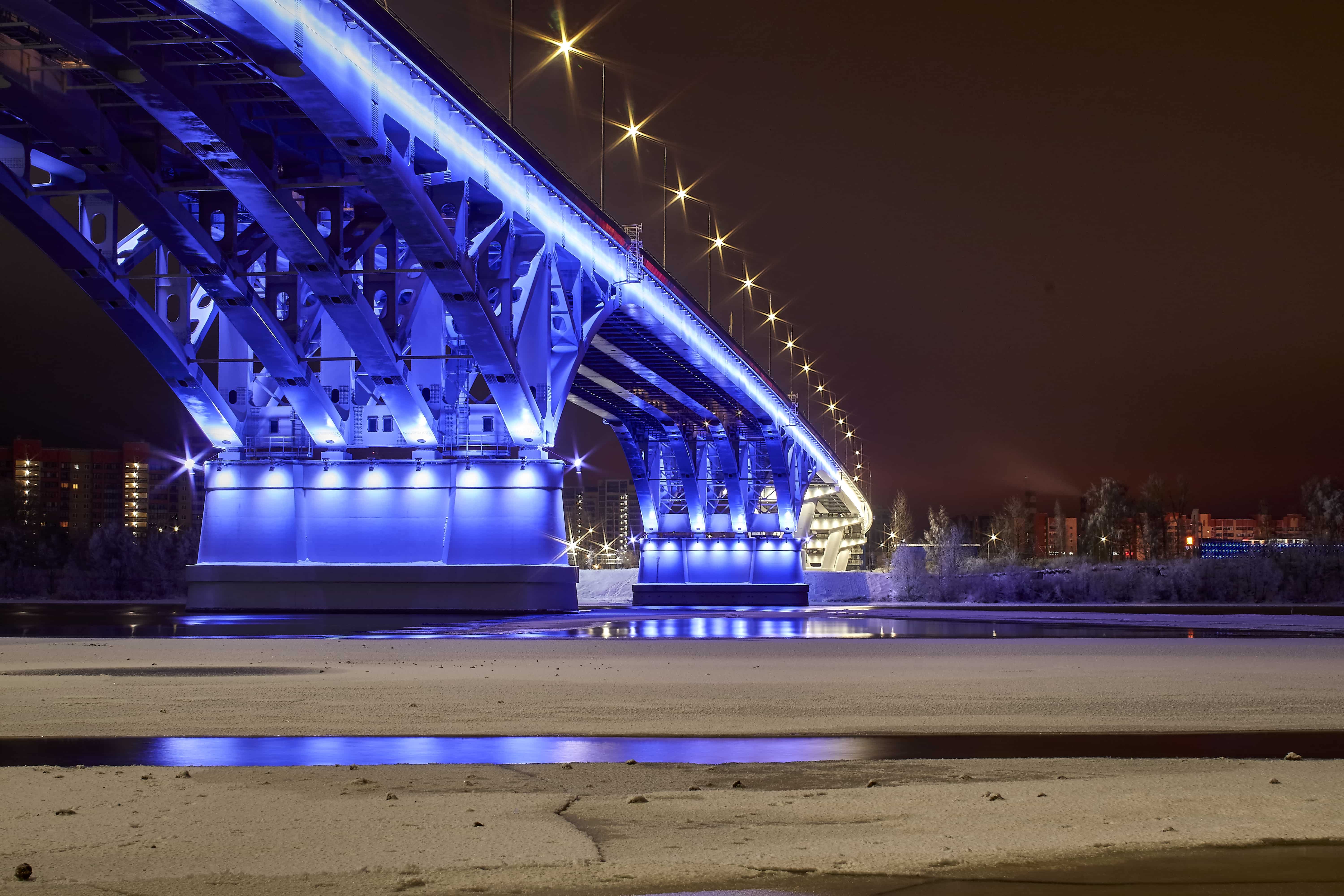
For bridges in Russia, Central Asia, Canada, Scandinavia and northern China where winter temperatures regularly fall below −20°C, specify fixtures rated for cold start and drivers selected for the minimum ambient temperature. TPK’s bridge-specified wall washers and linear lights have been field-validated to −40°C in Russian bridge installations — for example the Volgograd Bridge project on the Volga River, which has operated continuously through multiple severe Russian winters since installation (TPK project experience; verify against your project’s local requirements).
Control Protocol — DMX512 vs 0-10V for Bridges
For dynamic colour bridges, DMX512 is the practical choice. It supports hundreds of independently addressed fixtures across long cable runs (with signal amplifiers typically every 300 metres), is compatible with professional lighting control systems, and allows per-fixture colour programming for dynamic shows.
For bridges requiring only on/off switching and simple white dimming, 0-10V analogue control is simpler, lower cost and does not require programming expertise — the appropriate choice for highway bridges and industrial crossings where dynamic colour is not part of the brief.
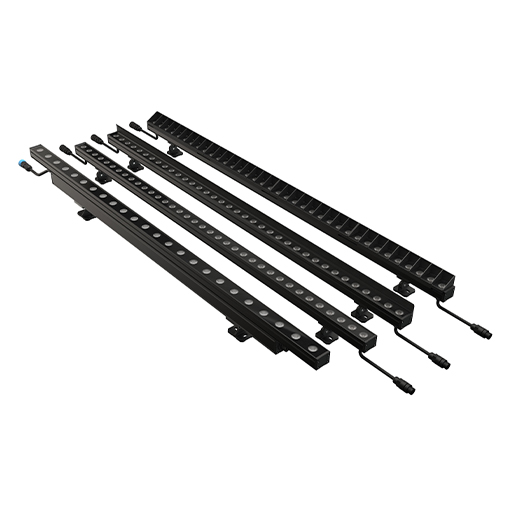
Fixture Selection — Wall Washer vs Linear Light vs Spotlight
| Fixture | Typical power | Role on a bridge |
|---|---|---|
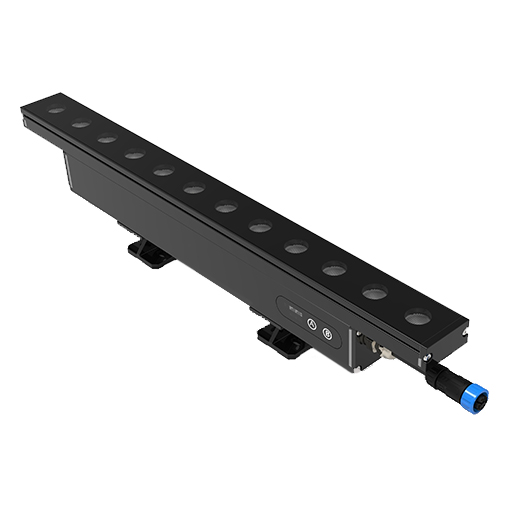
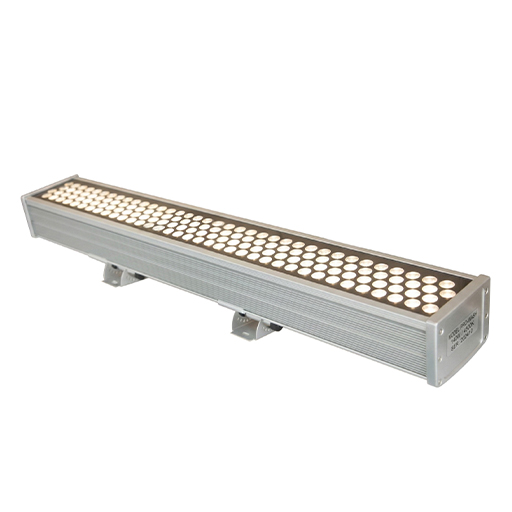
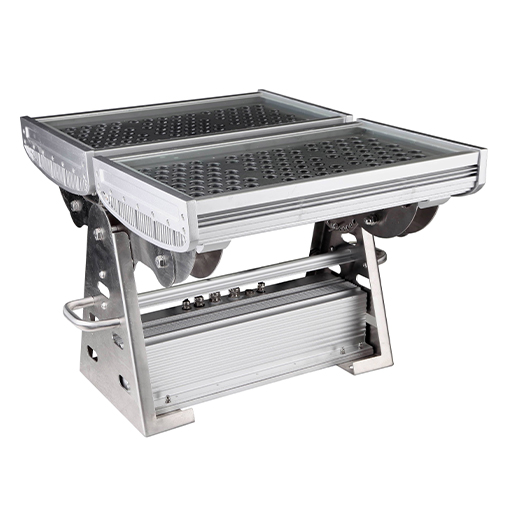
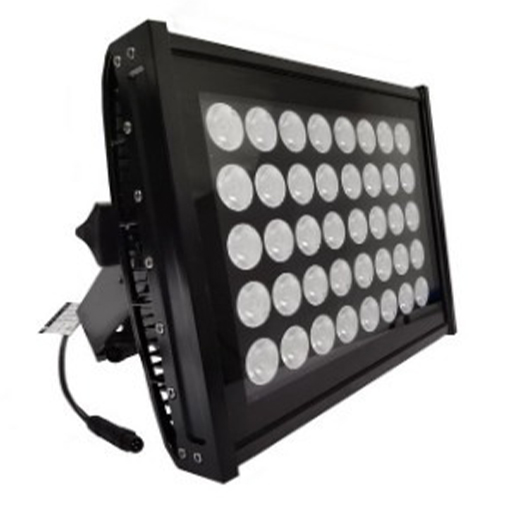
| LED wall washer | 18–150 W | Uniform illumination of deck fascias, pier columns and structural surfaces |
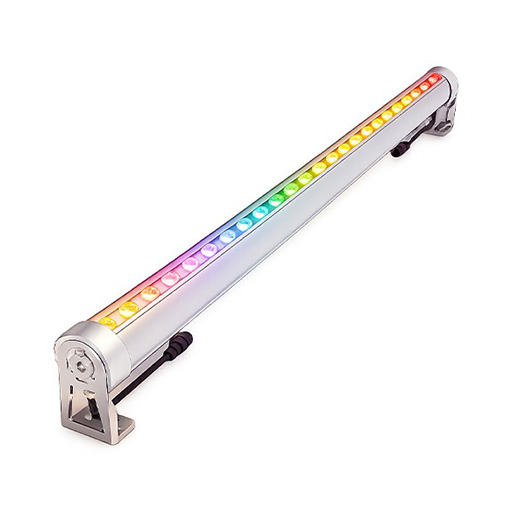
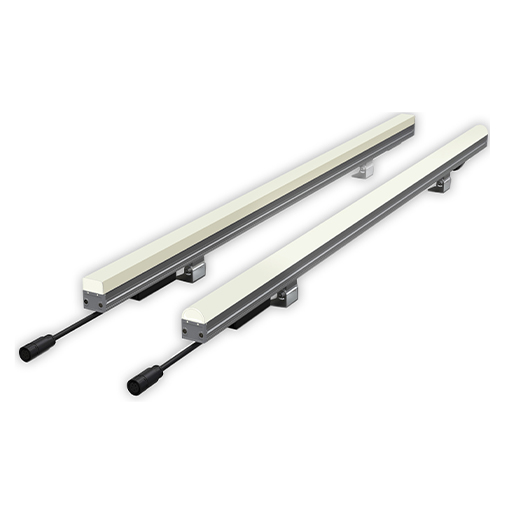
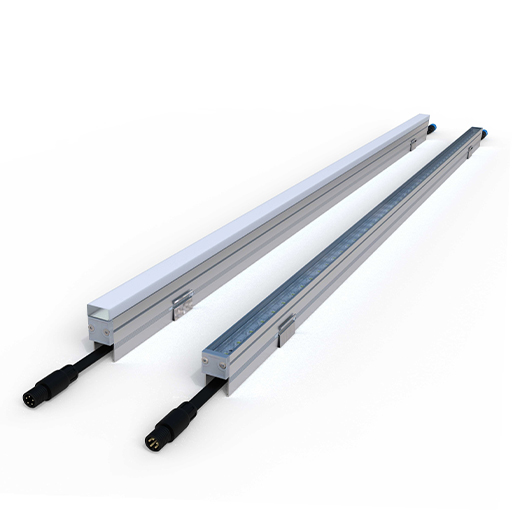
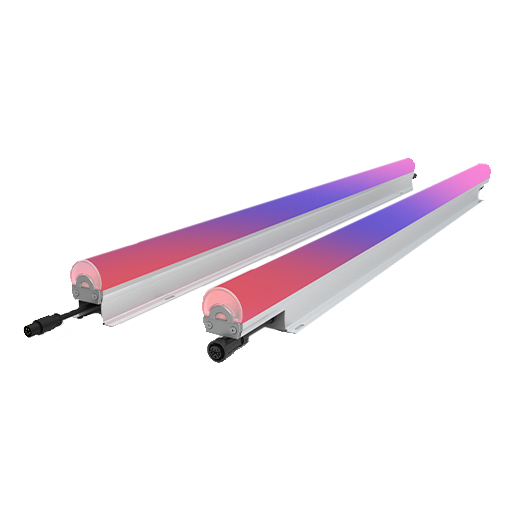
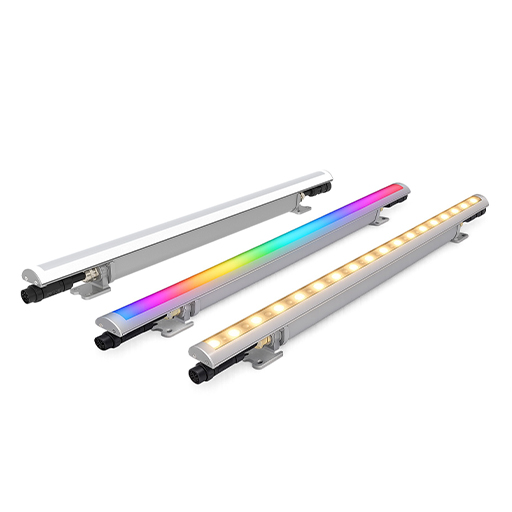
| LED linear light | 20–40 W | Silhouette definition — handrails, cable stays, truss chords, arch ribs; typically RGBW for dynamic bridges |
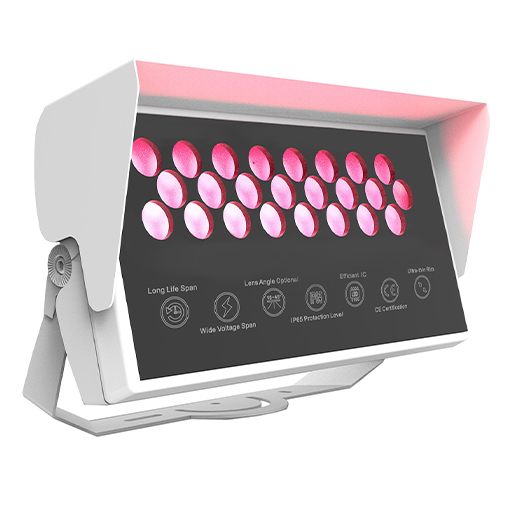
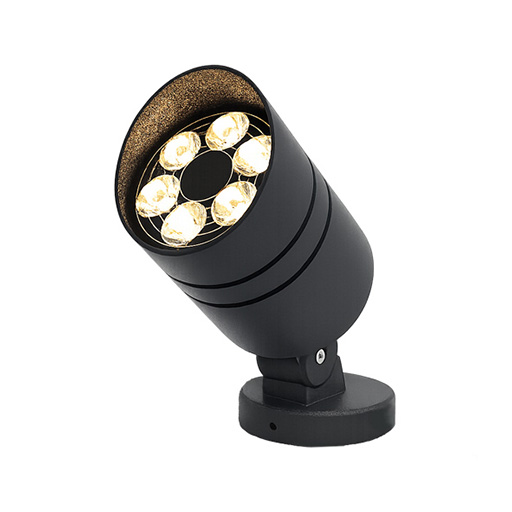
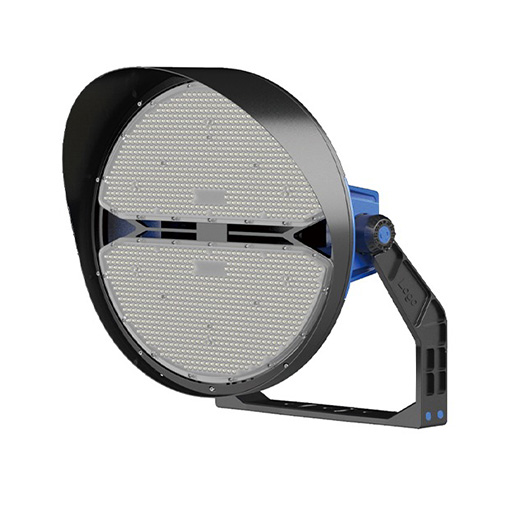
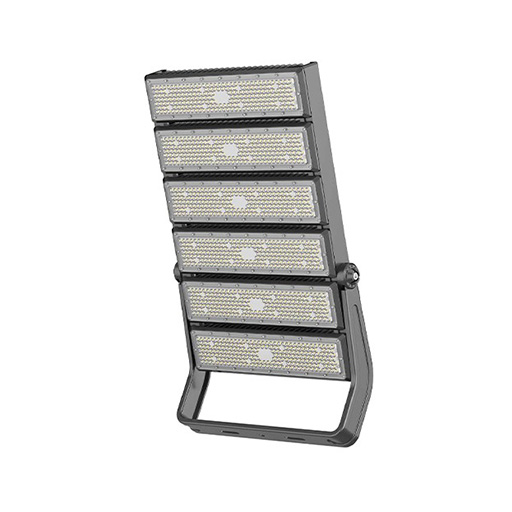
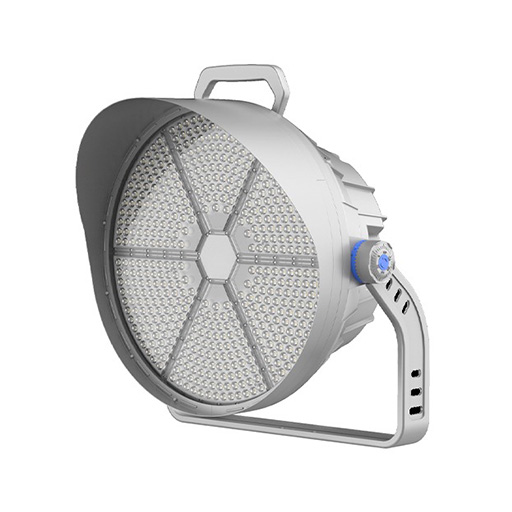
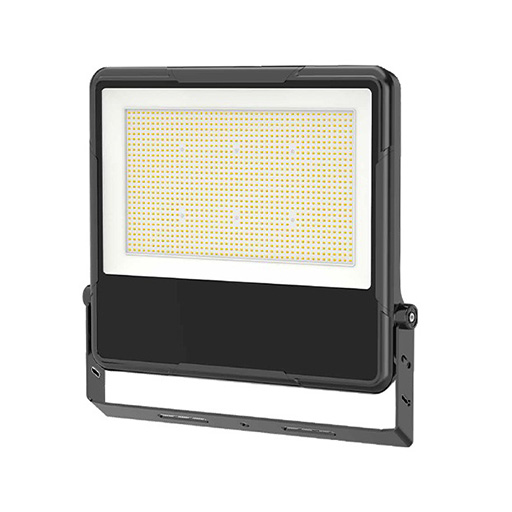
| High-power spotlight | 170–620 W | Uplighting of pylons, arches and towers from long throw; narrow beams 8°–20°, precise aiming critical |
For large bridge pylons and arch structures requiring uplighting from significant throw distances, beam control matters: a 2° aiming error at 30 m throw distance produces significant displacement on the structure.
Fixture Spacing — Wall Washers on Bridge Fascias
Wall washer spacing on a bridge fascia determines uniformity. The standard engineering target is a uniformity ratio (Emin/Eavg) of 0.4 or higher — the darkest point at least 40% as bright as the average. This is consistent with CJJ 45-2015 (Urban Road Lighting Design Standard), which specifies a minimum Emin/Eavg of 0.4 for primary roads and 0.35 for secondary roads.
For bridge barrier lighting, TPK’s LWW-GRB-W70/W55 series achieves a 93° horizontal beam at 1.4 m mounting height, covering two full 3.5 m carriageway lanes per unit, with far-lane edge illuminance of 33.2 lx confirmed by IES photometric data (Guangdong Tairan Industrial test lab, November 2024). Always verify spacing with DIALux or AGi32 using the manufacturer’s IES file before finalising the fixture schedule.
Surge Protection — Critical for Bridge Installations
Bridges face elevated lightning risk: they sit above surrounding terrain, connect to earth through large metal masses, and often stand near water. LED drivers without surge protection can fail permanently after a strike — and replacing fixtures on a bridge is costly and disruptive.
Specify LED drivers with built-in surge protection rated to a minimum of 10 kV line-to-ground and 6 kV line-to-line per IEC 61000-4-5, and install external surge protection devices (SPDs) at the distribution board. On long bridges, SPDs at the midpoint of the run are also recommended.
Engineering FAQ
What IP rating is recommended for bridge lighting?
IP67 is the minimum recommendation for permanent outdoor bridge lighting — full dust protection and 1 m / 30 min temporary immersion. For underwater or permanently submerged positions, select IP68.
DMX512 or 0-10V for a bridge project?
For dynamic colour, festival scenes or zoned programmes, DMX512. For simple white dimming on highway or industrial bridges, 0-10V is simpler and lower cost.
How far apart should wall washers be on a fascia?
Aim for a uniformity ratio (Emin/Eavg) of 0.4 or higher and verify with DIALux or AGi32 using the manufacturer’s IES file — spacing depends on beam, mounting height and facade geometry.