Heritage Facades
Wall washing and grazing can reveal texture, depth and material quality without making the facade look theatrical or over-lit.
Best for: listed buildings, conservation areas, old-town streets
 计时中
计时中

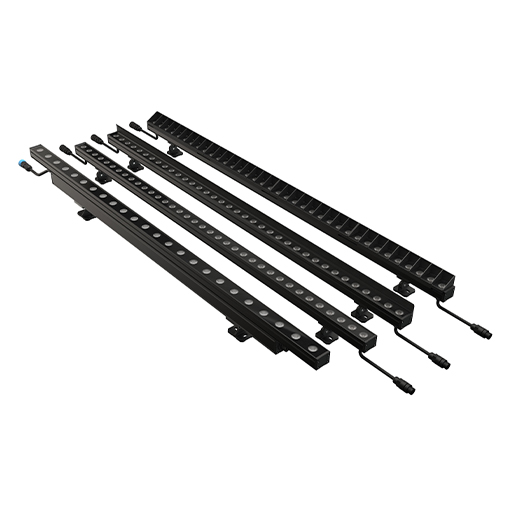
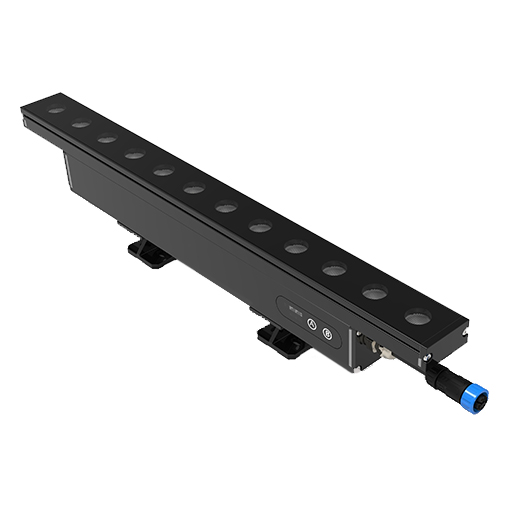
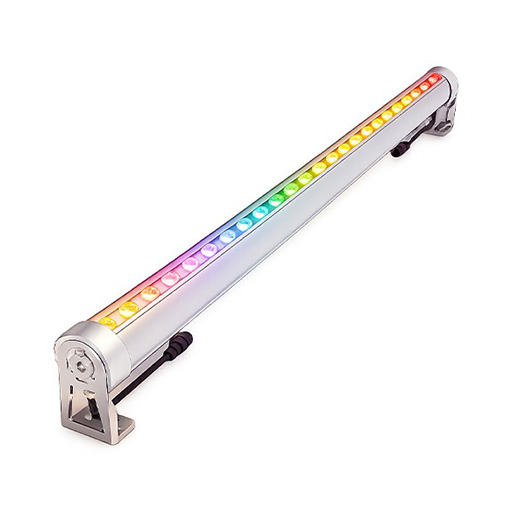
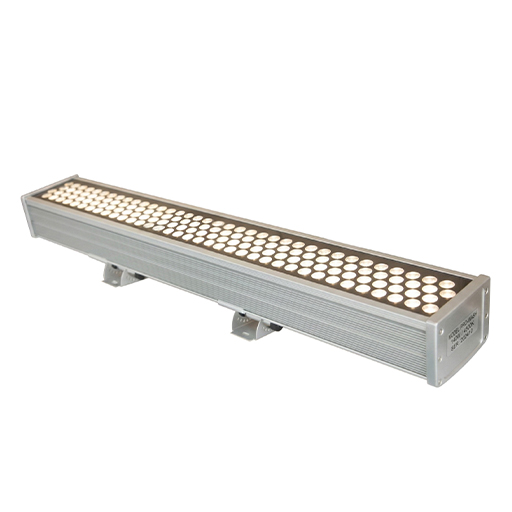
LWW-PZT-W38A
LWW-WZB-W55
LWW-OP-D80
LWW-ROWS-W150
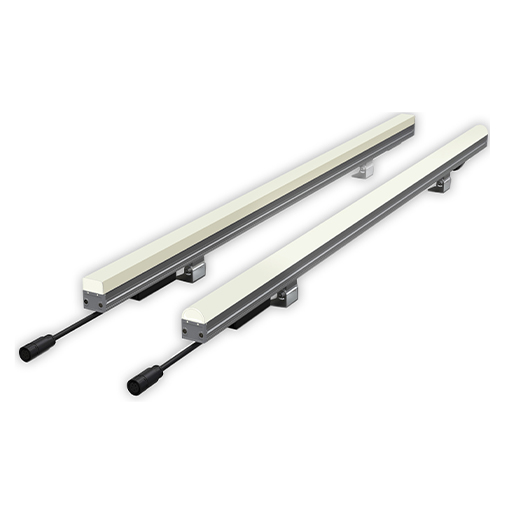
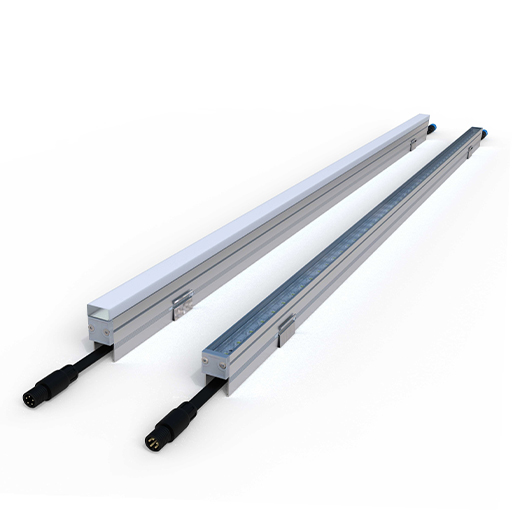
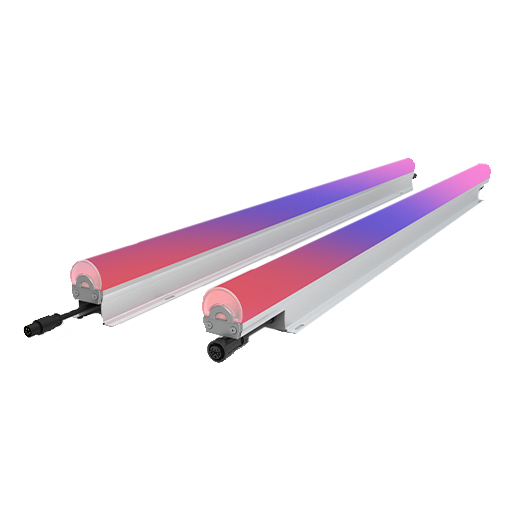
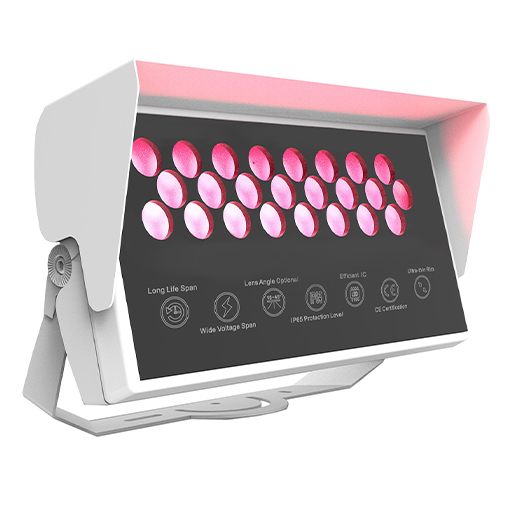
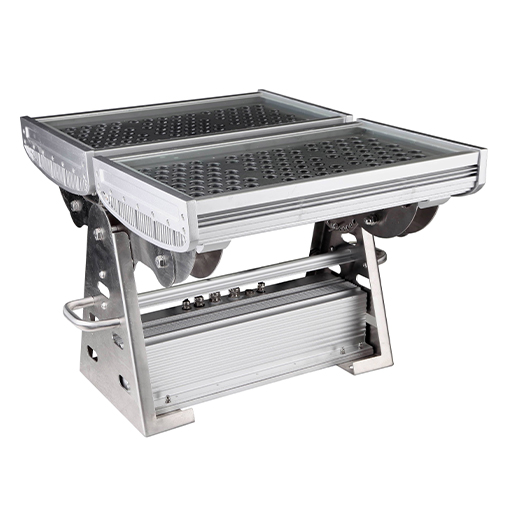
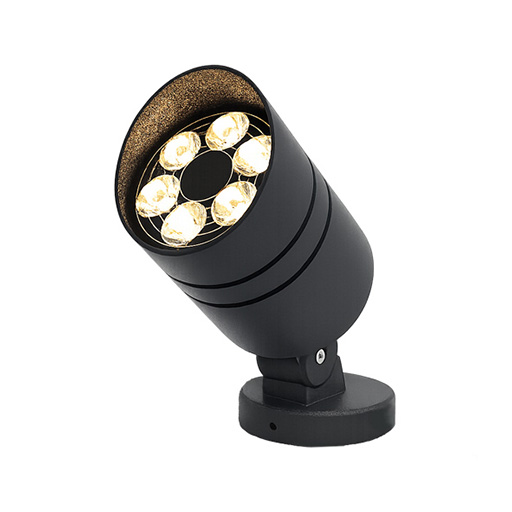
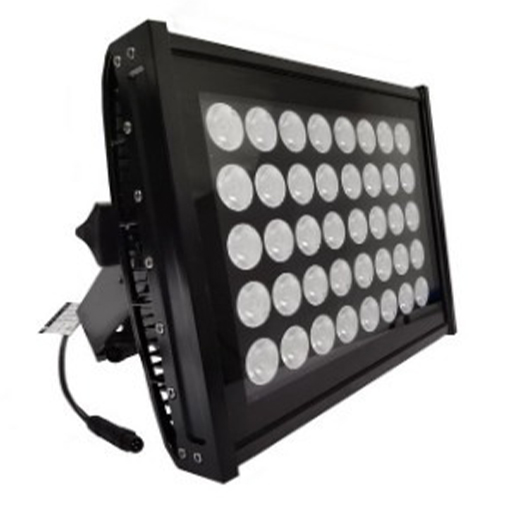
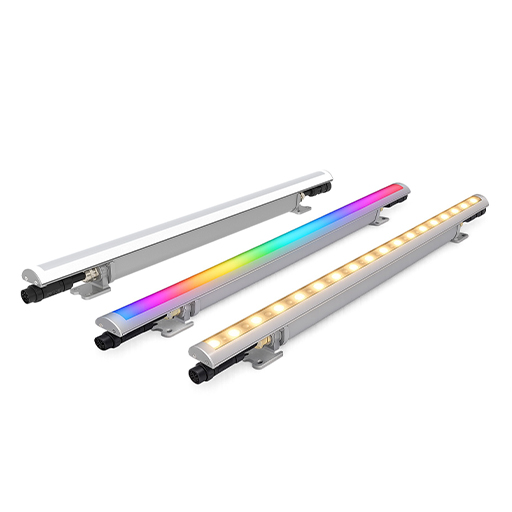
SP-DKP-F170A
SP-MEGA-F620A
SP-MEGA-F310A/B
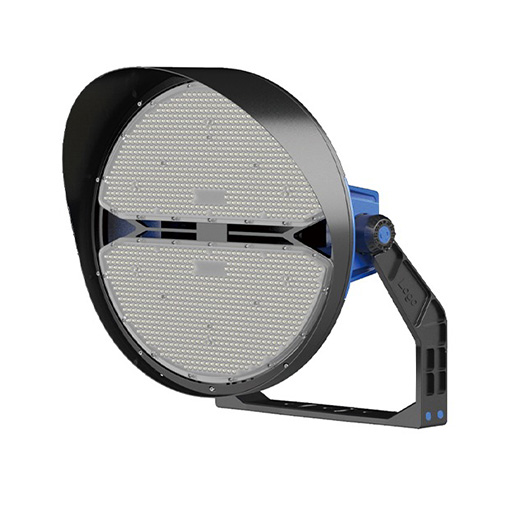
STD-YXYSW4
STD-YXYSW5
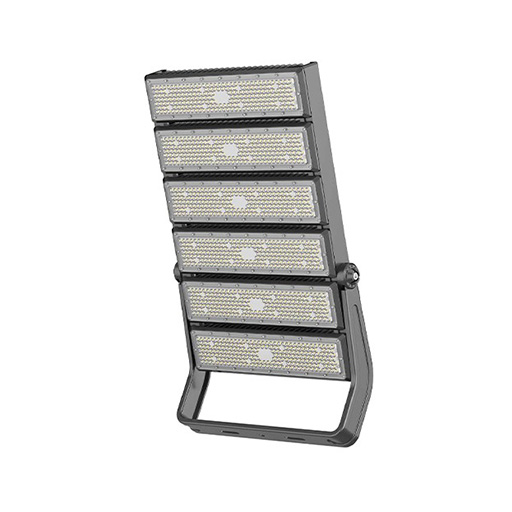
STD-YXYSW6
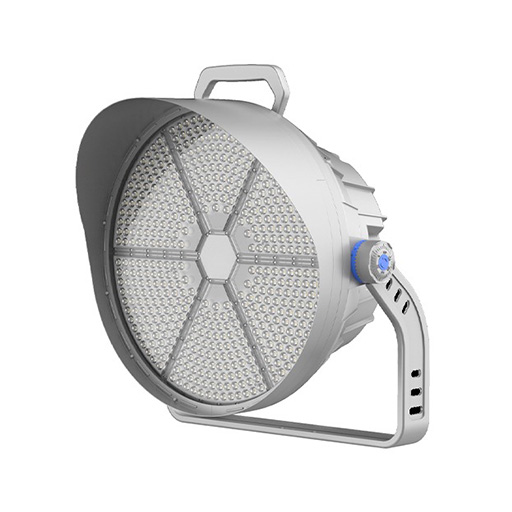
STD-YXYDF3A
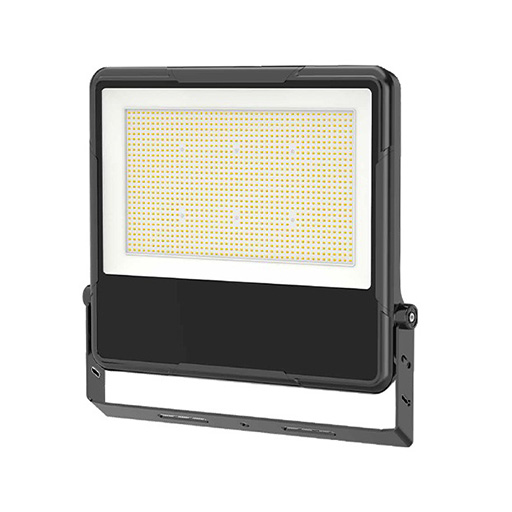
LLS-WZB-W40
LLS-OP-W30A
LLS-OP-W20
LLS-OP-D50
SP-EA-R195/R225
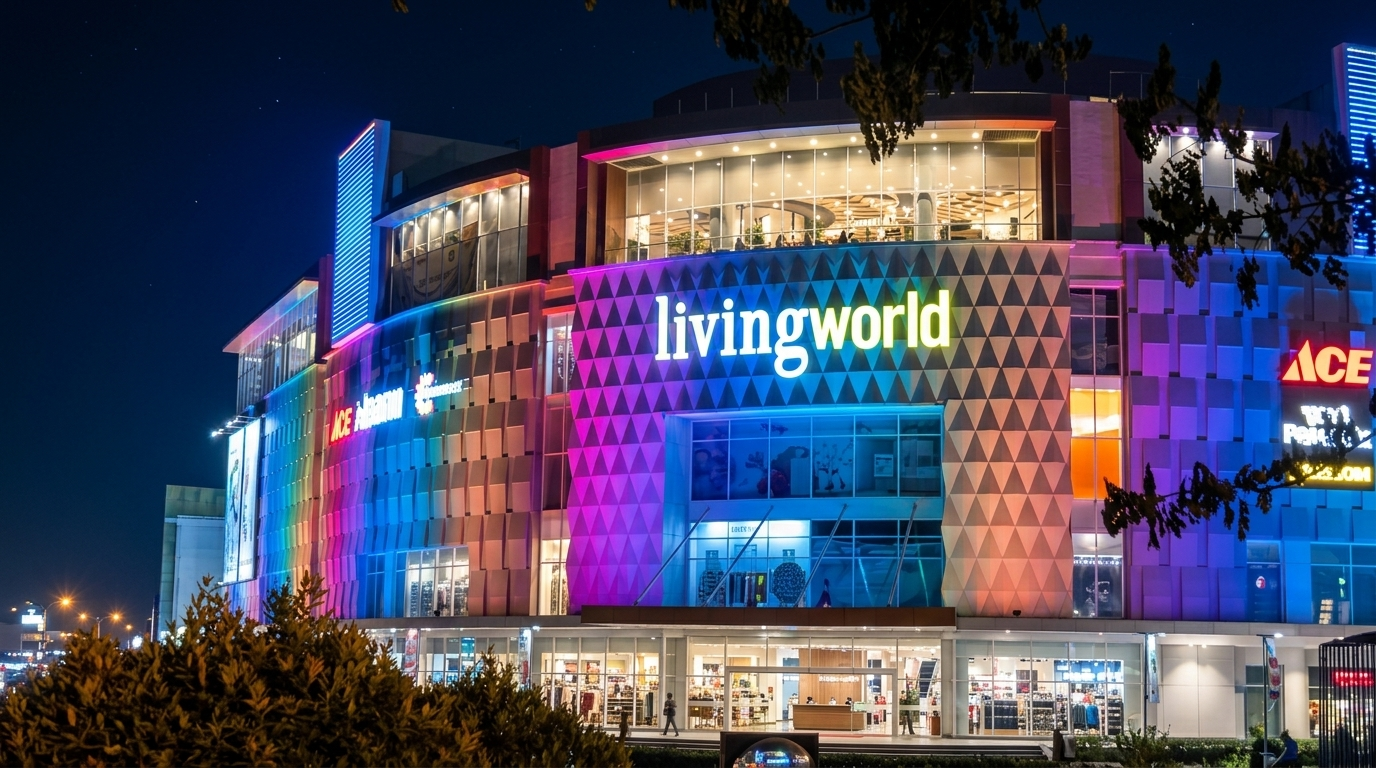
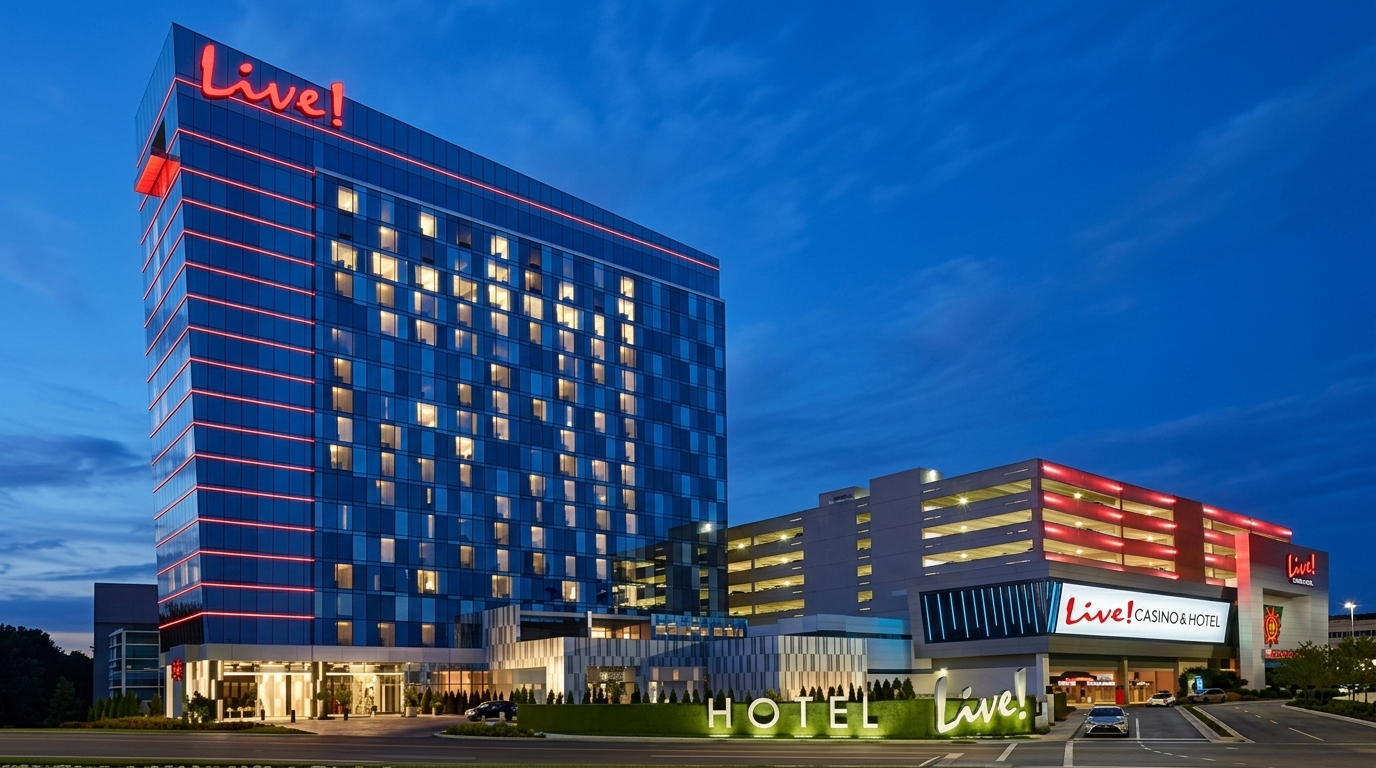
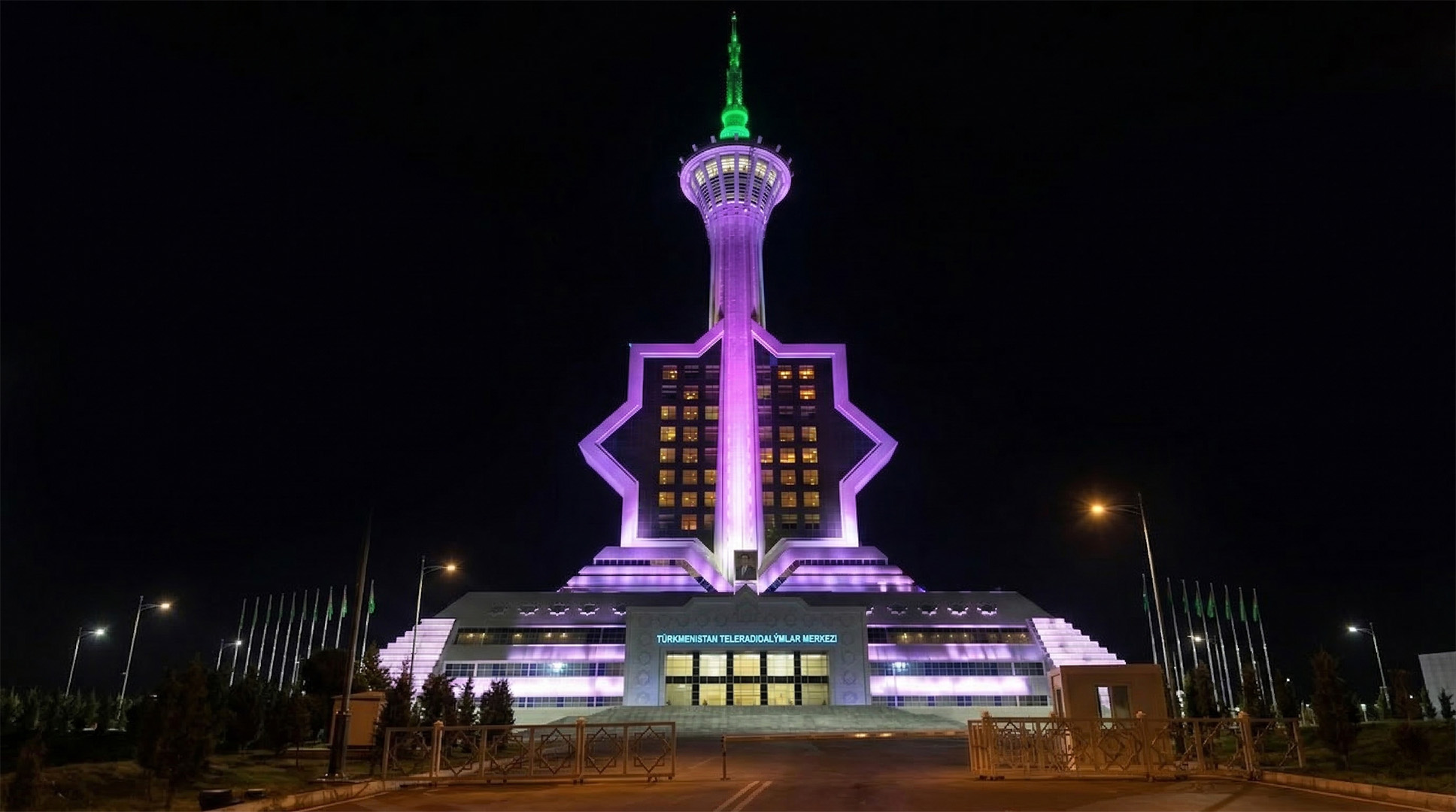
Jinyun County
Live Hotel
Living World Mall Indonesia
Turkmenistan Engineering
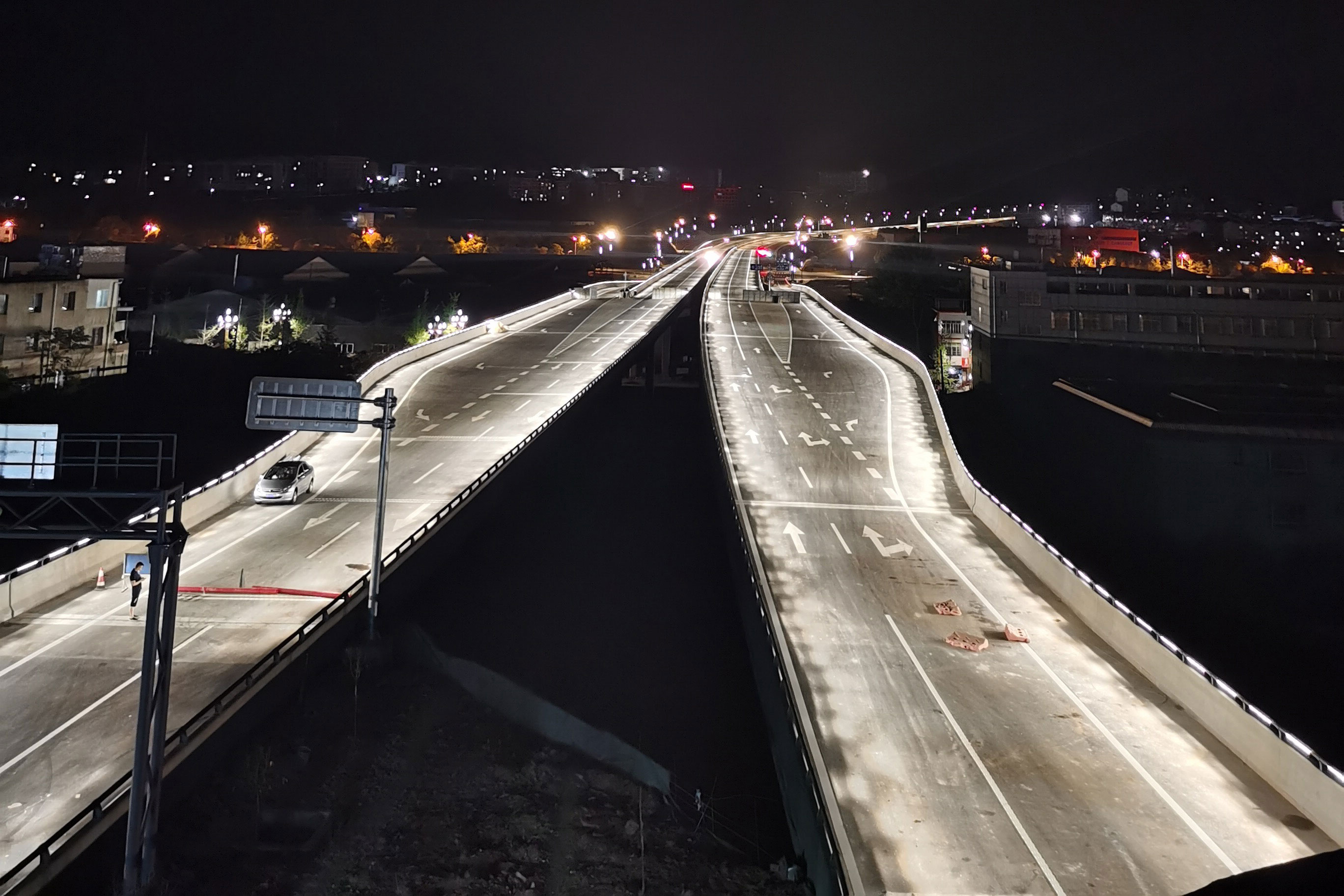
Mianyang city a ring road overpass
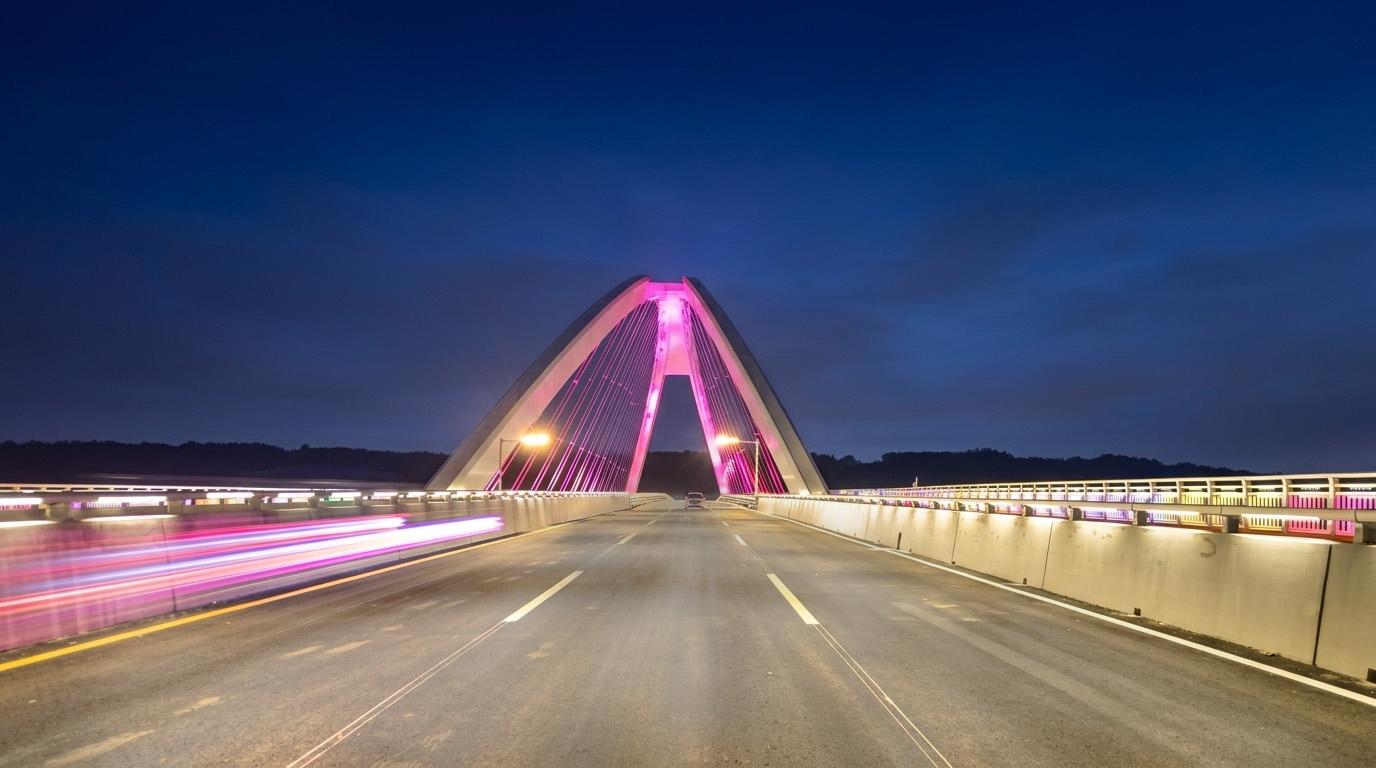
Lighting Project of Fujiang Bridge
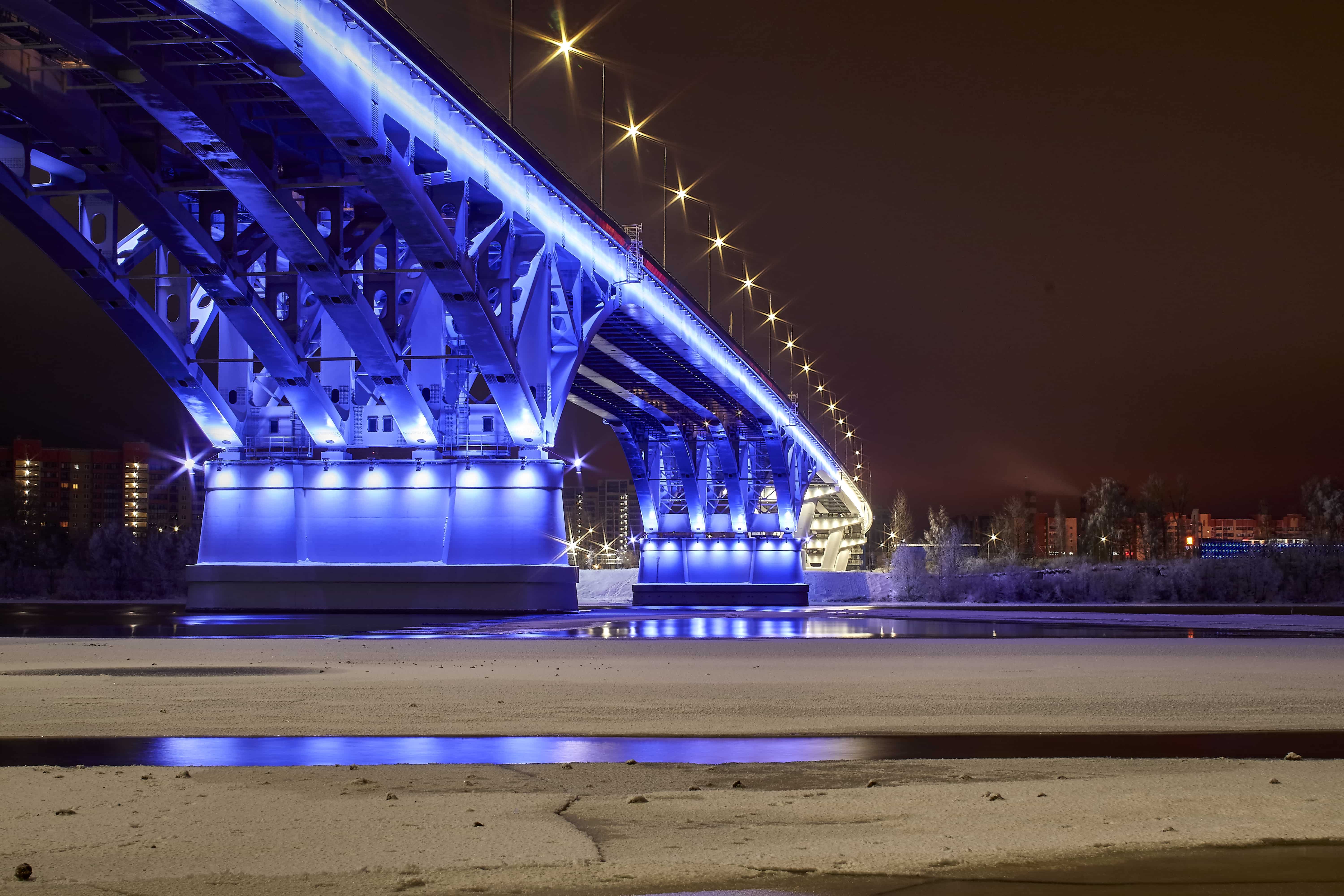
The volga river bridge
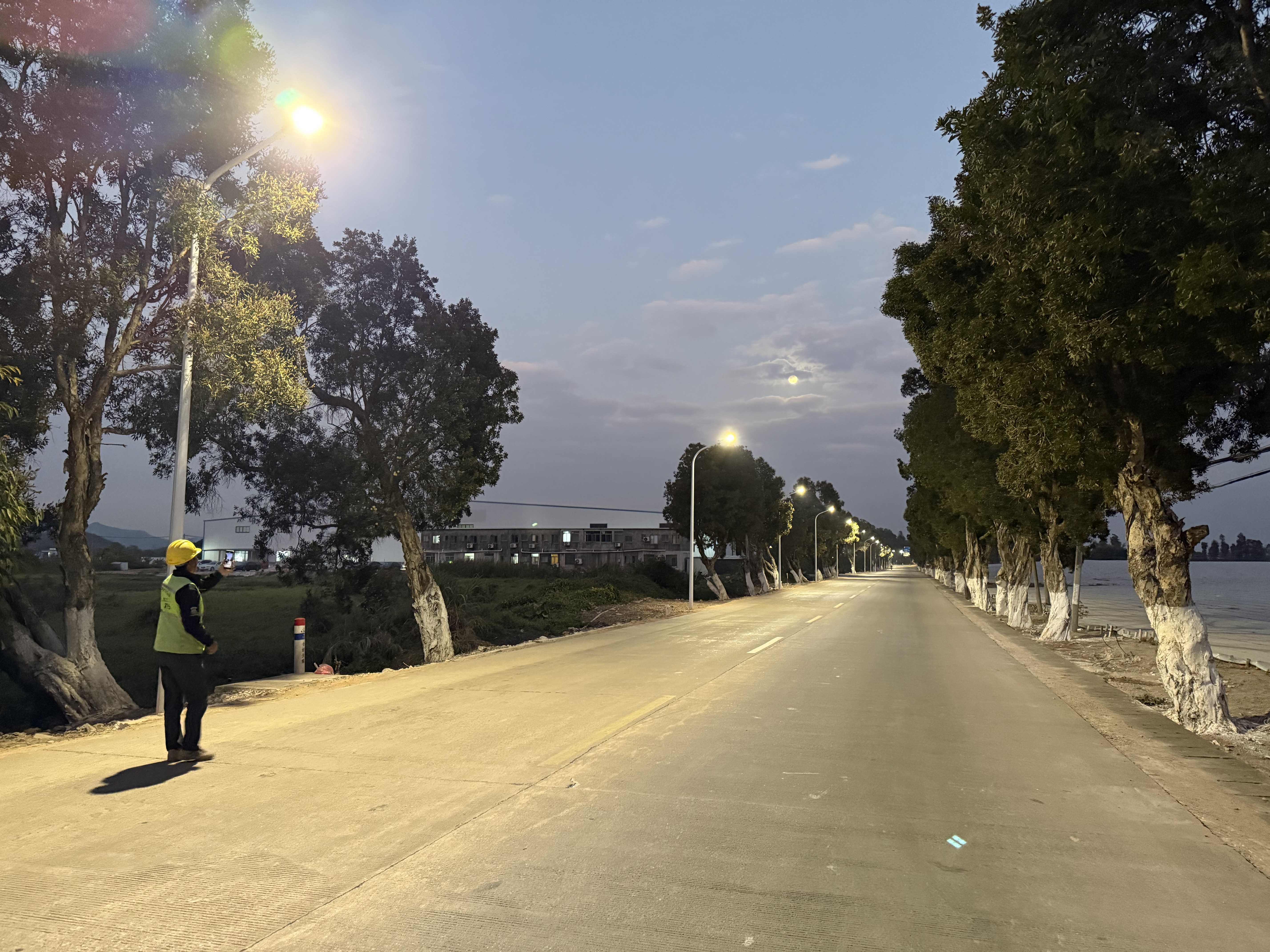
Road Lamp Project of Nanlang Village
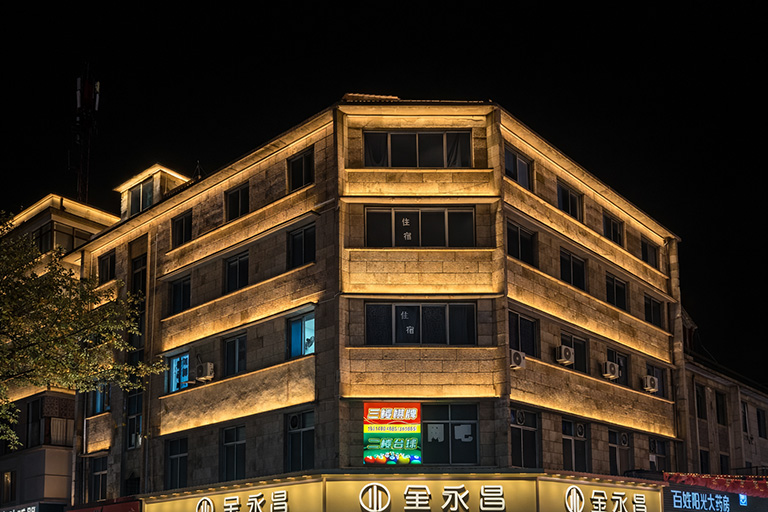
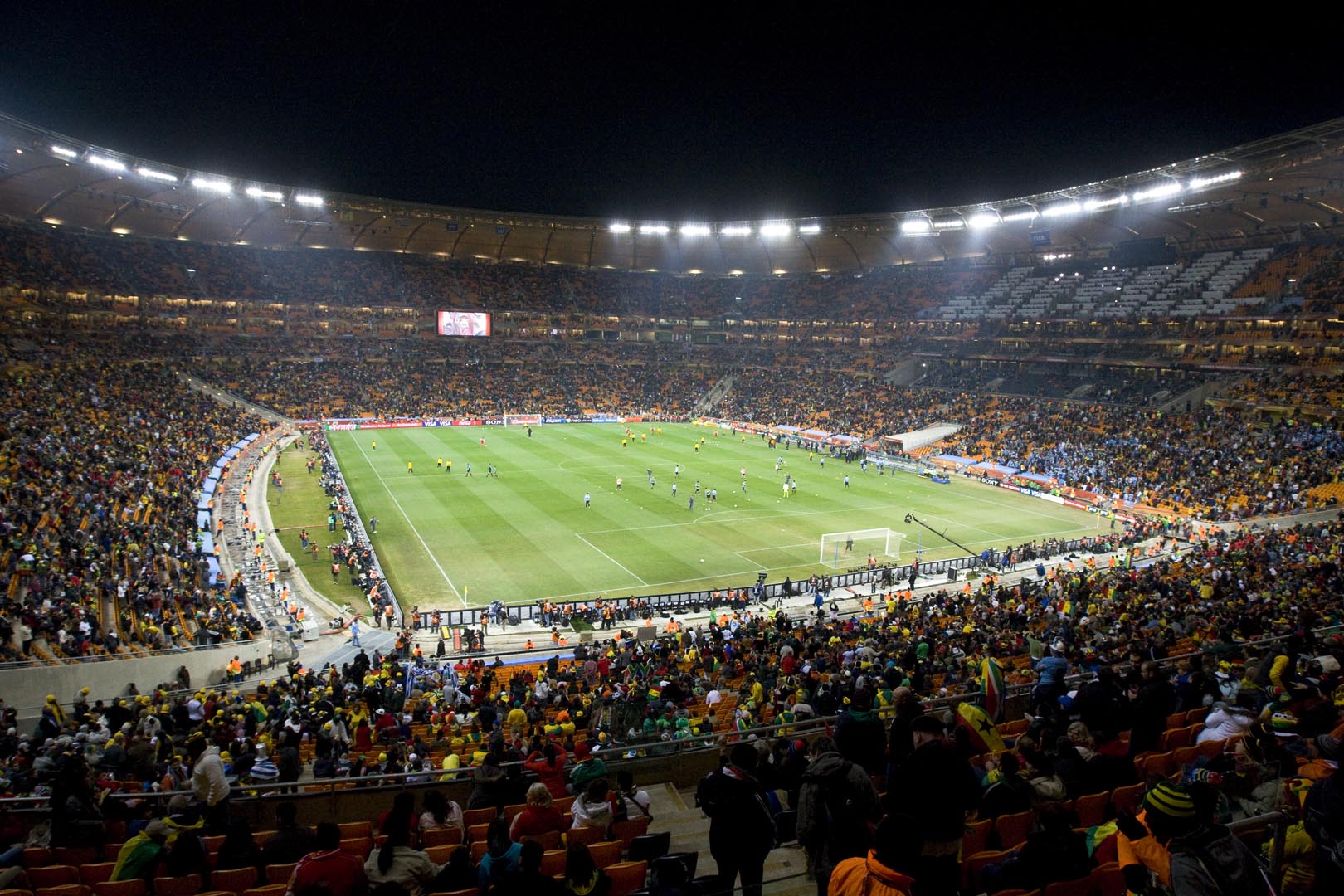
Kleanthis Vikelidis Stadium
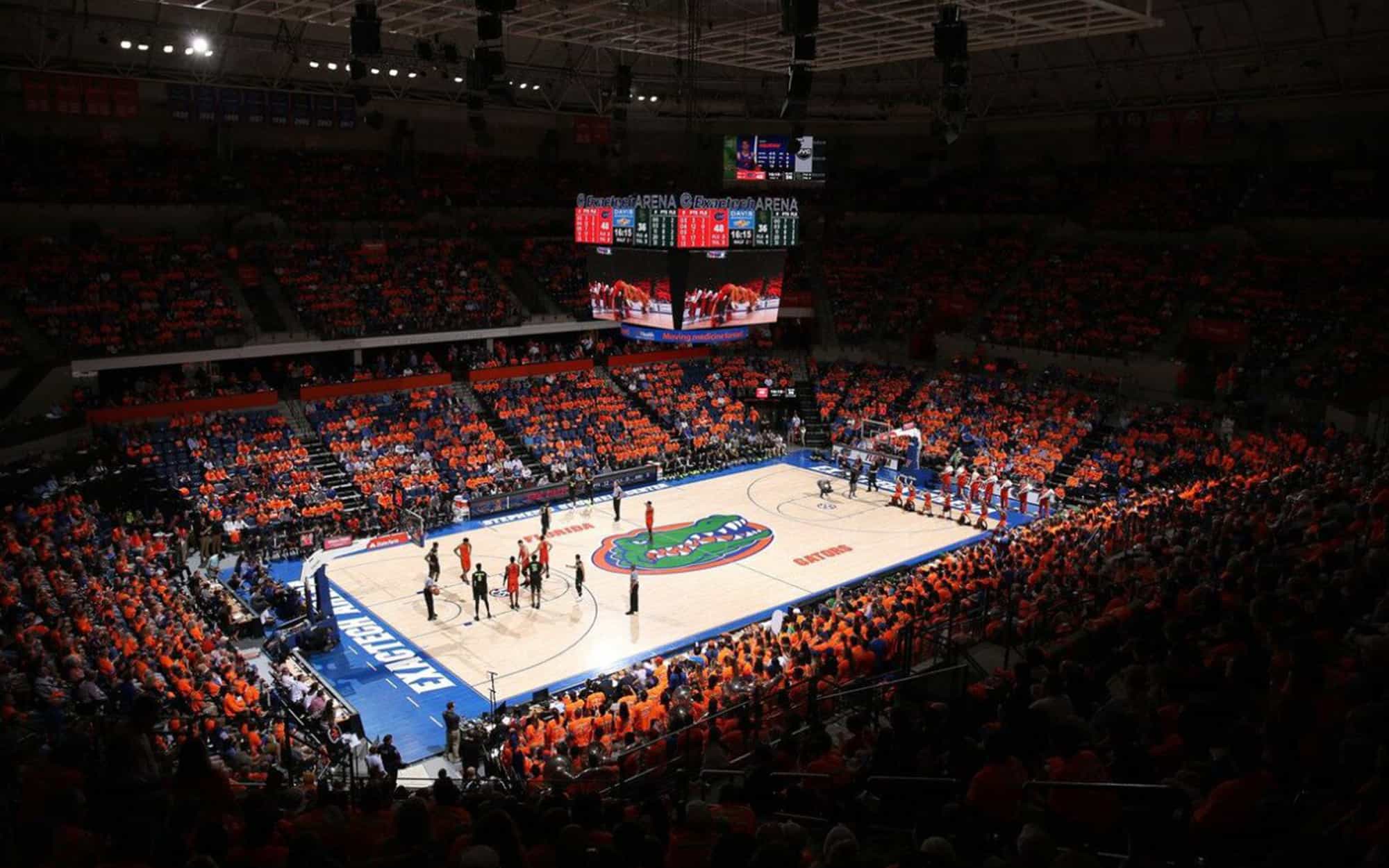
Florida Atlantic University

Shahid Nassiri Stadium
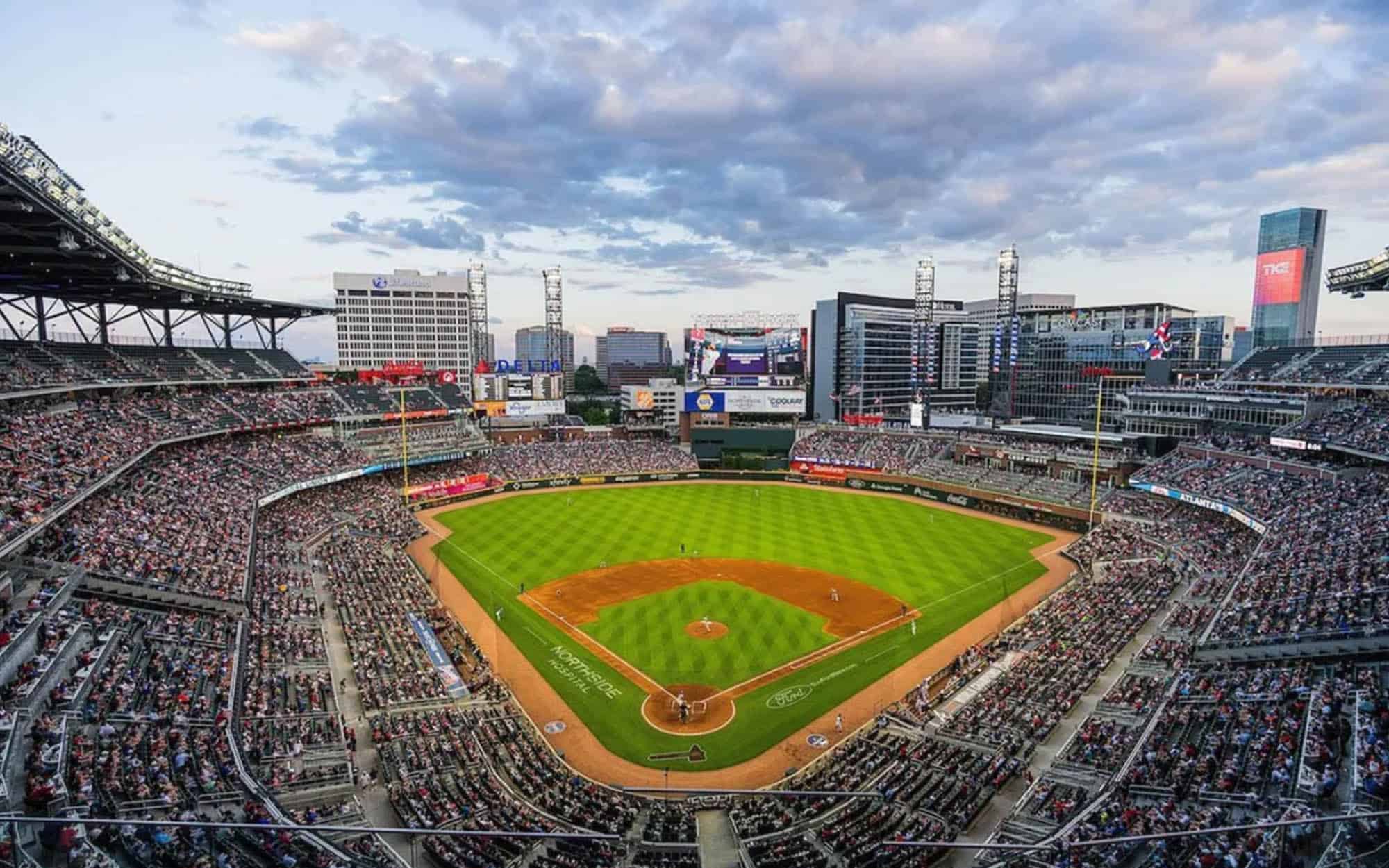
Rangers Ballpark
Engineering-led outdoor lighting for historic waterfronts, old-town streets, cultural districts and public-space renewal projects, with warm-white options, glare control, outdoor-rated fixture families and project support.
Urban and historic district lighting uses outdoor luminaires to improve how older streets, heritage facades, waterfront edges and public spaces work after dark. The aim is to reveal character, improve legibility and support safer night use without turning a sensitive place into a commercial showpiece.
Typical priorities include warm colour temperature, controlled brightness, low visual clutter and fixture layouts that respect existing materials, sightlines and maintenance conditions.
Wall washing and grazing can reveal texture, depth and material quality without making the facade look theatrical or over-lit.
Linear light and controlled wall washing can strengthen embankments, riverside edges and public nodes while keeping the waterfront calm and readable at night.
Lighting should support safe movement, storefront visibility and comfortable night use without flattening the character of the streetscape.
Accent lighting in trees, walls, seating zones and pocket parks should support the public-space hierarchy rather than compete with the architecture.
Historic gateways, bridges and selected civic structures usually benefit from tighter aiming, stronger glare control and more selective emphasis.
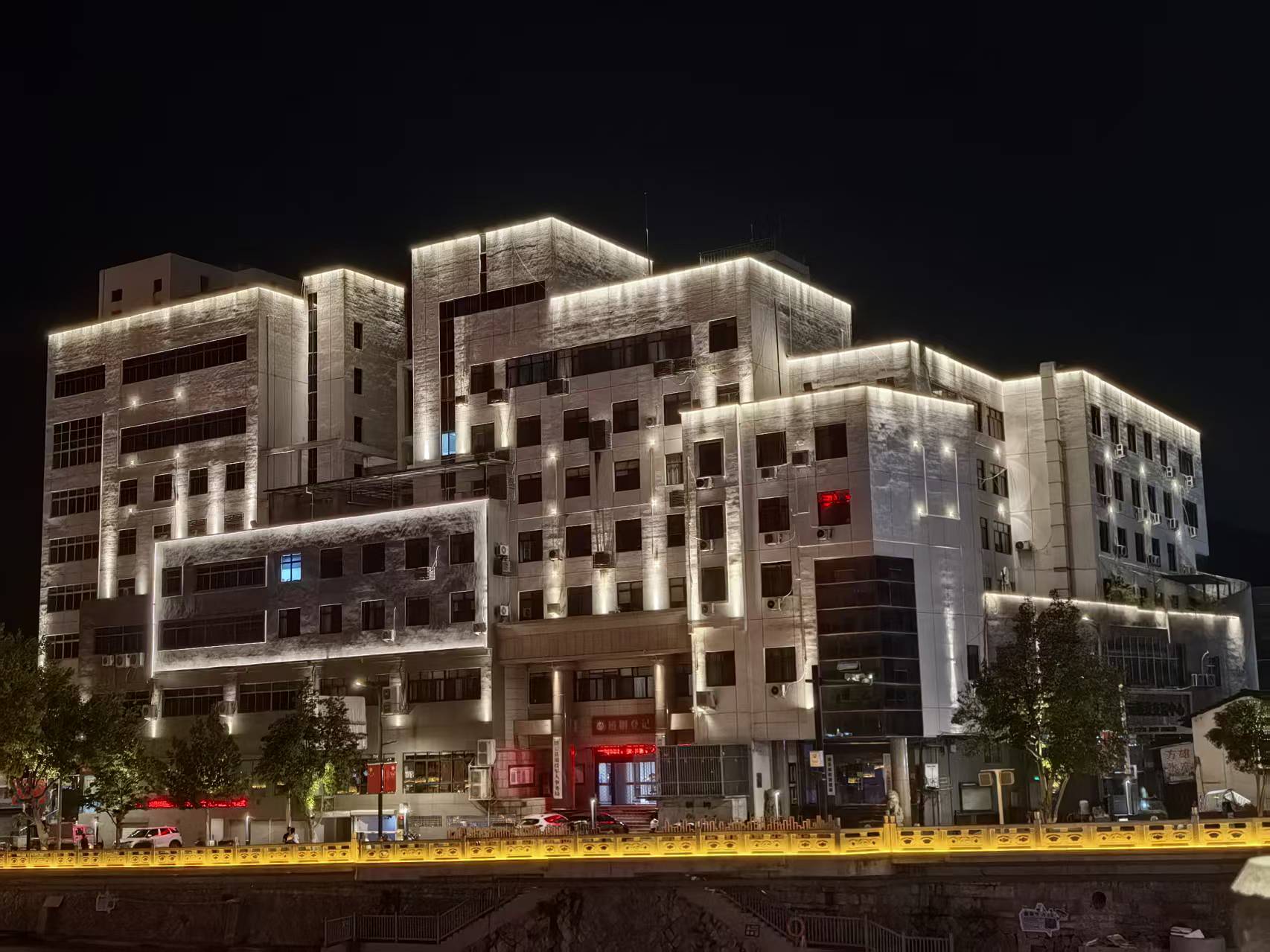
Sensitive sites need a quieter lighting hierarchy, clear mounting logic and outdoor reliability that can be reviewed against the actual site condition.
Historic districts often have tighter expectations around colour temperature, brightness, fixture visibility and how new lighting sits within the existing streetscape. Approval standards vary by project and local authority.
Older masonry, stone, timber and decorative facade details require mounting strategies that avoid unnecessary visual disruption and reduce intervention where possible.
Over-lighting can make an older district feel commercial, flat and visually noisy. Key surfaces should remain legible while quieter areas stay in supporting roles.
Waterfronts, village streets and exposed public spaces can introduce humidity, rain, dust and difficult maintenance access that place greater demands on the fixture selection.
Use this matrix as an early discussion tool, not as a regulatory table. Final product selection should be checked against the site condition and local approval requirements.
| Project zone | Typical CCT | Lighting mood | Main emphasis |
|---|---|---|---|
| Historic facade / old-town core | 2700K–3000K | Warm and restrained | Texture, depth, material tone |
| Waterfront public edge | 2700K–3000K | Calm and legible | Embankment lines, route clarity, nodes |
| Street, lane and pedestrian route | 2700K–3000K | Safe and comfortable | Wayfinding, storefront readability |
| Garden, pocket park and civic square | 2700K–3000K | Soft supporting layer | Trees, walls, edges, seating zones |
| Modern renewal feature zone | 3000K–4000K | Clearer contemporary expression | Identity accents, event-ready areas |
Illustrative project-direction matrix only. Local conservation, planning and project requirements take priority.
The project is organised around the public-space hierarchy first, then the fixture mix, mounting logic and outdoor maintenance conditions.
Identify the main facade, route edge, public node, planting layer and any signature structure such as a gate, bridge or waterfront wall.
Use the minimum sufficient light needed for recognition, route clarity and atmosphere, with warm-white tone and controlled brightness where appropriate.
For many projects, a practical starting mix is wall washer + linear light + selective spotlight, with landscape accents kept secondary.
Review fixture visibility, cable routing, mounting conditions, weather exposure and maintenance access before the project moves into detailed selection.
These references show how warm-white facade lighting, route lighting and selective accents can be applied across old-town waterfronts, coastal villages and lower-scale public realms.
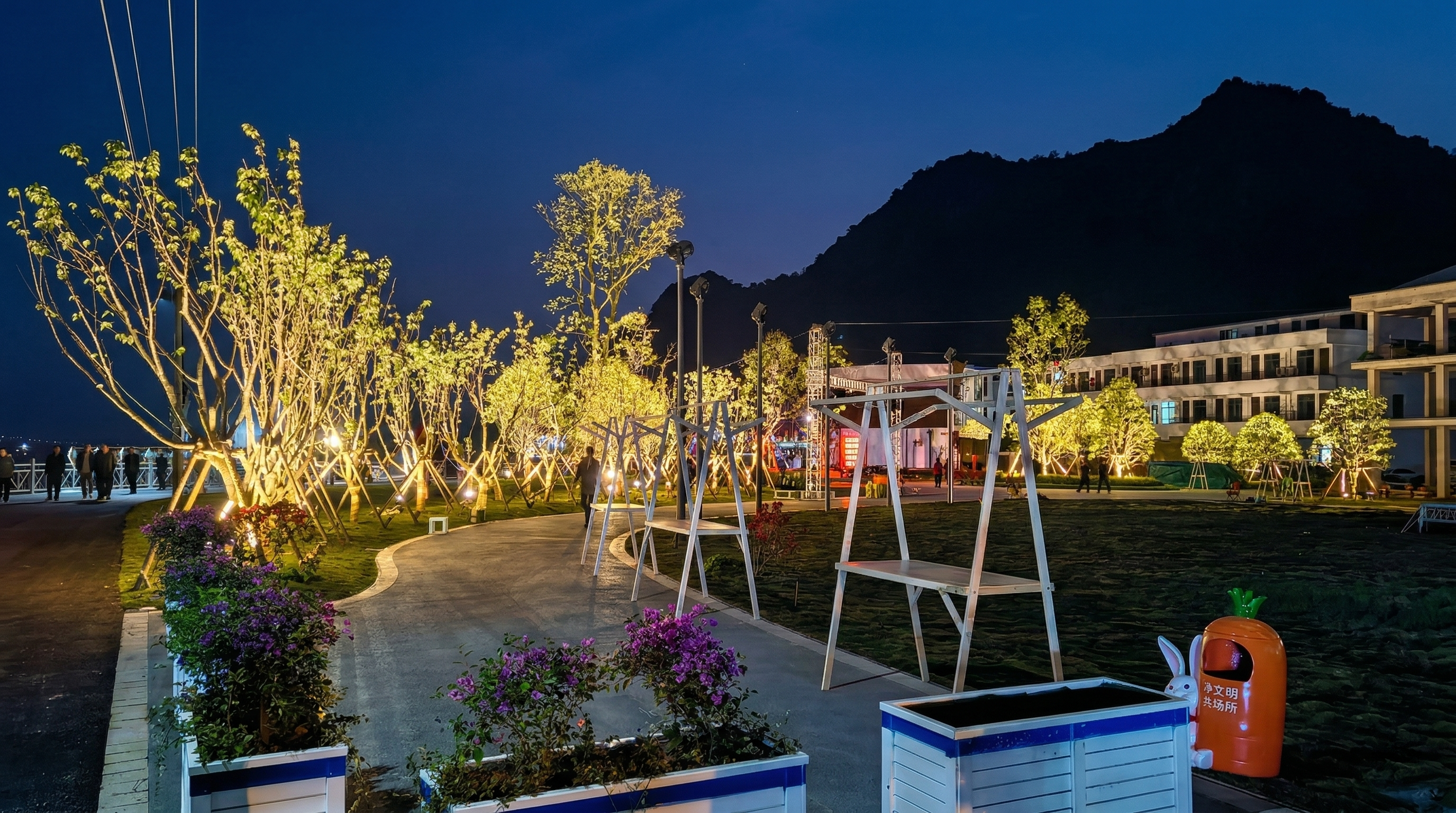
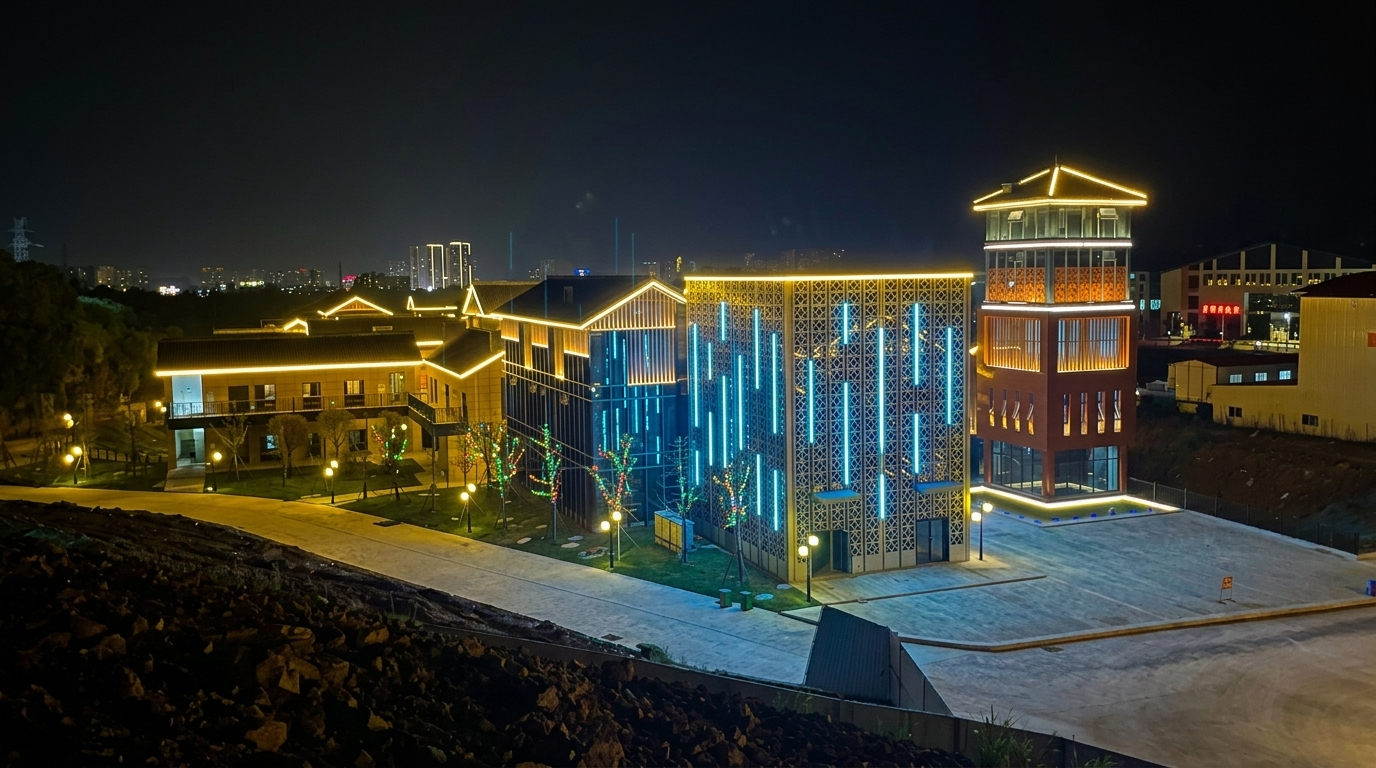
The fixture mix below covers facade body lighting, architectural lines, route edges and tighter accent positions. Final selection should follow the required effect, mounting condition, control method and project environment.
For many historic districts, 2700K to 3000K warm white is a practical starting range. It generally suits brick, stone, timber and older facade materials better than cooler white while keeping the night image calmer and less harsh.
It means aiming and shielding the light so useful illumination stays on the facade, route or public node instead of pushing unnecessary brightness into the sky or directly into people’s eyes.
Yes. The project mix can include waterfront edges, district facades, pedestrian routes, small public nodes and selected landscape accents. The Jinyun, Cangnan and Nanlang references on this page show these wider public-space conditions.
A common starting mix is wall washer for facade body, linear light for route edges or architectural lines, and spotlight where a tree, sculpture, gateway or public node needs tighter emphasis.