

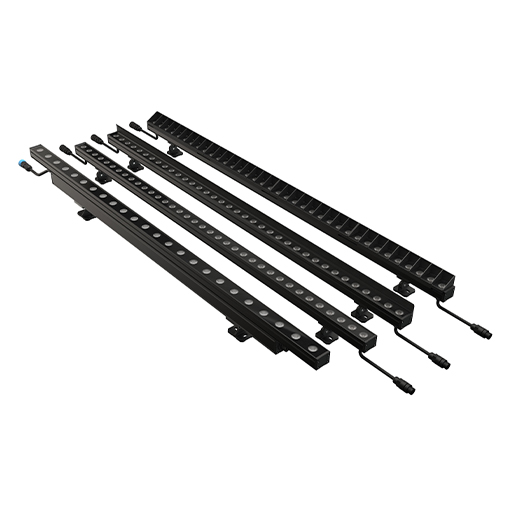
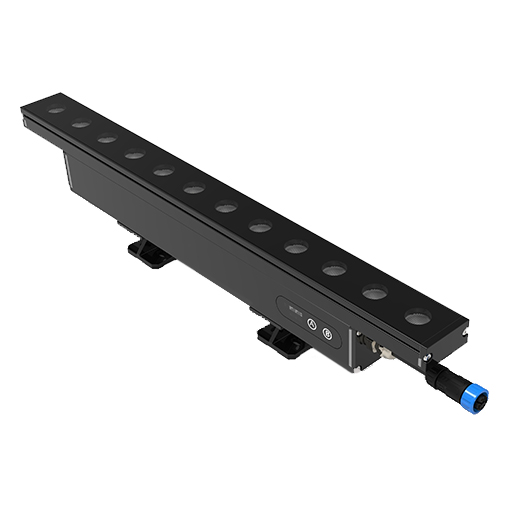
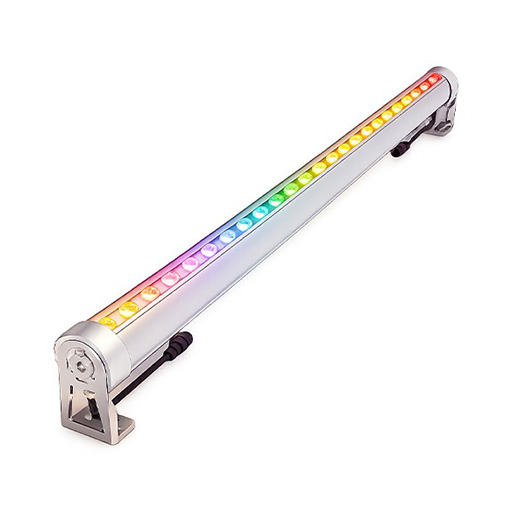
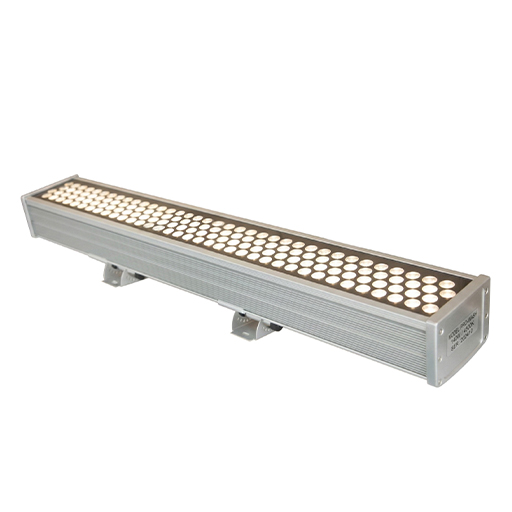
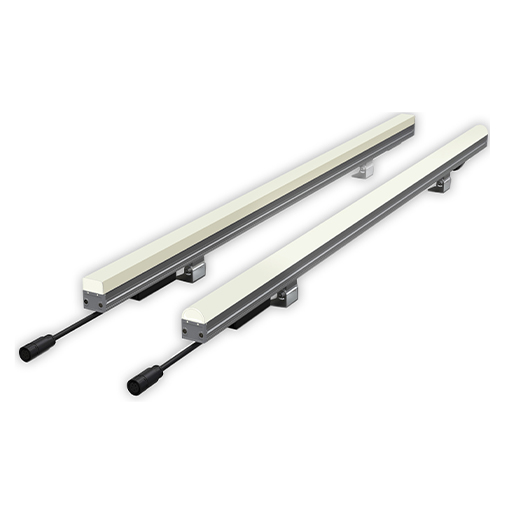
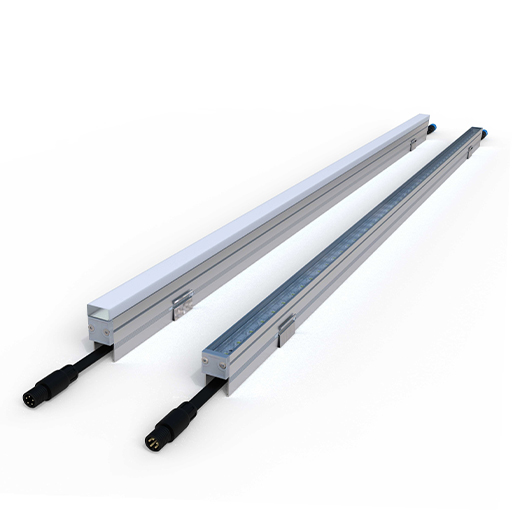
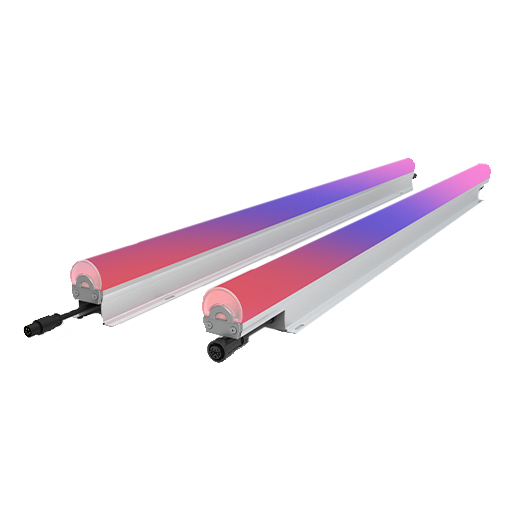
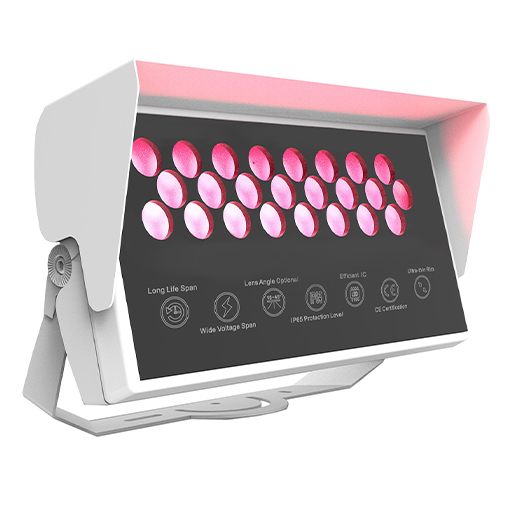
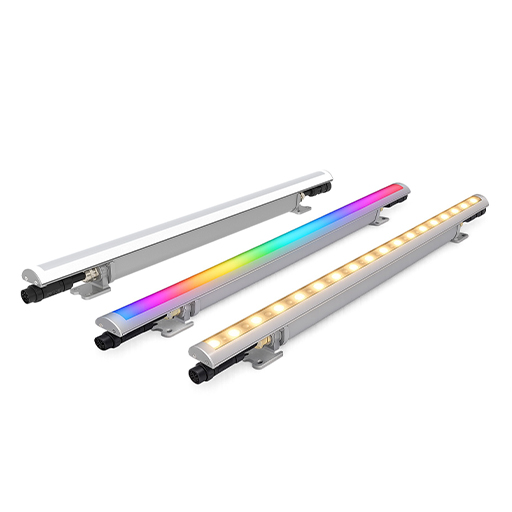
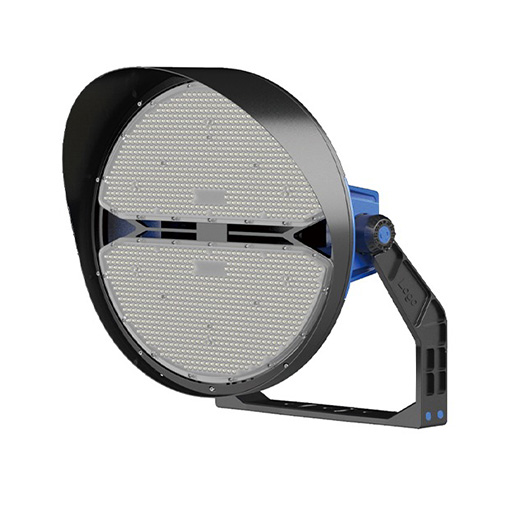
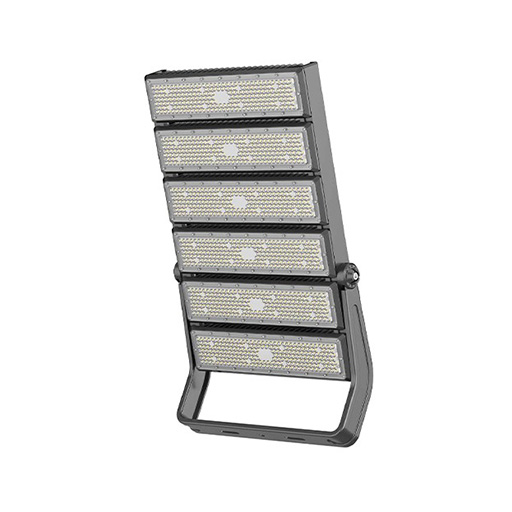
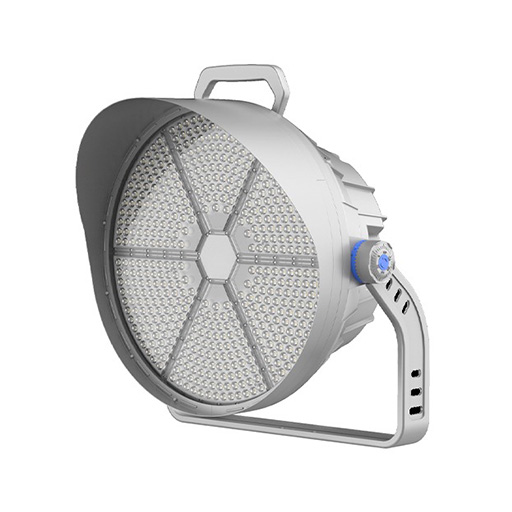
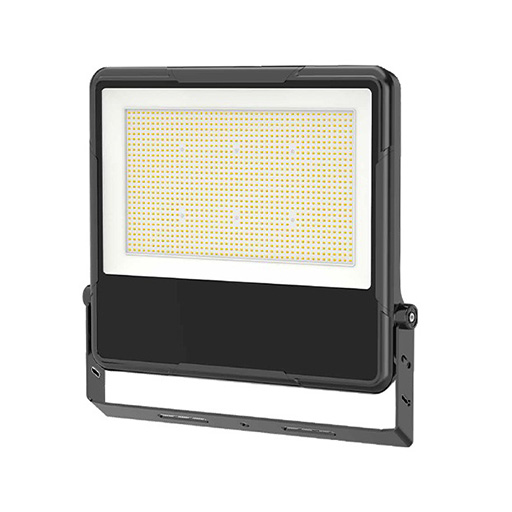










W40 0-10V Series Development & Optimization
Technical innovations, dimming consistency and process upgrades behind the W40 0-10V LED linear series.
Development Background and Challenges
At the end of 2019, development of the W40 0-10V version began. Initially, the L3, L6 and L12 lengths could not guarantee complete consistency of component parameters because of the power supply, which caused inconsistent minimum brightness and on-times between products of the same or different lengths.
Through repeated testing and programme adjustments, the minimum-brightness difference between L3 and L12 was reduced. However, on-time differences remained, and the power supply itself created inventory and quality-control problems: long delivery times, three different specifications, and difficult incoming-material inspection.
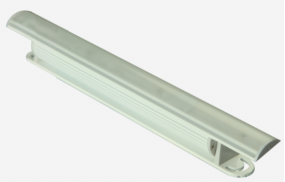
Initial dimming consistency testing of the W40 0-10V versions.
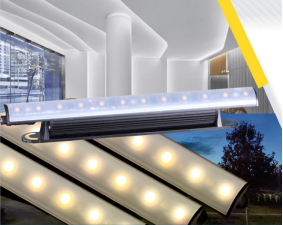
Minimum-brightness and on-time verification across lengths.
Product Design and Key Features
The design decouples dimming performance from the power supply so that dimming parameters and consistency are independent of supply tolerances, enabling bulk storage.
Integrated power and control
24V constant-voltage power supply with 0-10V control driver, using the Jinshengyang 15W module; the L12 length adopts a dual-power scheme. Dimming parameters are decoupled from the power supply.
Advanced MCU
The 0-10V control driver board uses the Nuvoton N76E003 single-chip microcontroller.
High-precision driver
The MBI6655 driver chip is integrated in a modular layout. Dimming-current consistency is determined by the accuracy of the driver chip and the dimming resistance, holding error within 5%.

Control driver board and power module.

Integrated modular assembly for the W40 0-10V version.
Dimming Consistency — Theory and Method
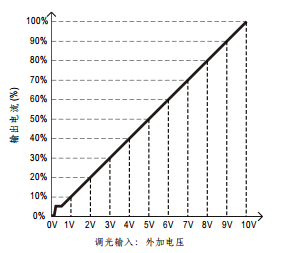
The 0-10V dimming signal voltage is read by the AD pin of the MCU. The system continuously rolls and averages 15 groups of voltage samples, removing the effect of voltage fluctuation through the arithmetic mean.
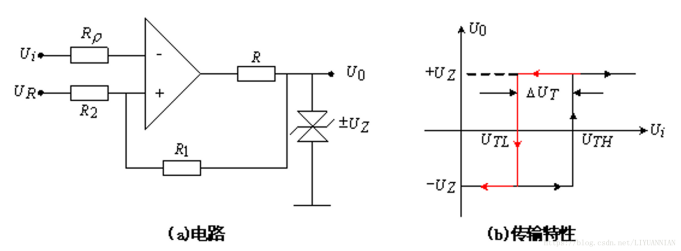
The dimming start voltage of standard drivers varies (for example, Ming Weft at 0.6 V and others at 0.35 V). Because the 0-10V signal has a weak built-in pull-up resistance, the actual start voltage fluctuates between 0.35 V and 0.75 V depending on the connected power supply. To keep dimming even across units, the programme sets an explicit threshold: when the voltage is above 0.31 V, the lamp starts with an initial brightness ratio of 0.4%.
Hysteresis in the Dimming Threshold
To stop the lamp from repeatedly switching on and off around the 0.31 V critical threshold, the programme applies voltage-hysteresis comparison. The lamp only switches off when the voltage drops below 0.19 V. The 0.12 V buffer width eliminates stroboscopic flicker and out-of-sync behaviour caused by small signal-voltage fluctuations.
Product Performance Overview
The W40 0-10V series covers two power classes with MCU-based and standard driver variants:
| Product model | Power | Dimming signal | Lamp bead | Bead brightness | Temperature | PC cover | Lens angle | Whole light effect |
|---|---|---|---|---|---|---|---|---|
| LLS-COVE2-W40-8W-277V-016 (MCU) | 8W | 0-10V | Osram 3030 | 120–130 lm | 3500K | Opal arch cover | 15° | 74 lm/W |
| LLS-COVE2-W40-30W-277V-016 (MCU) | 30W | 0-10V | Osram 3030 | 120–130 lm | 3500K | Opal arch cover | 15° | 83.5 lm/W |
| LLS-COVE2-W40-8W-277V-016 | 8W | 0-10V | Philips 3030 | 160 lm | 4000K | Opal arch cover | 15° | 80 lm/W |
Production Process Optimization
The new process integrates the power and control stage into a single modular assembly, simplifying wiring and removing assembly errors.

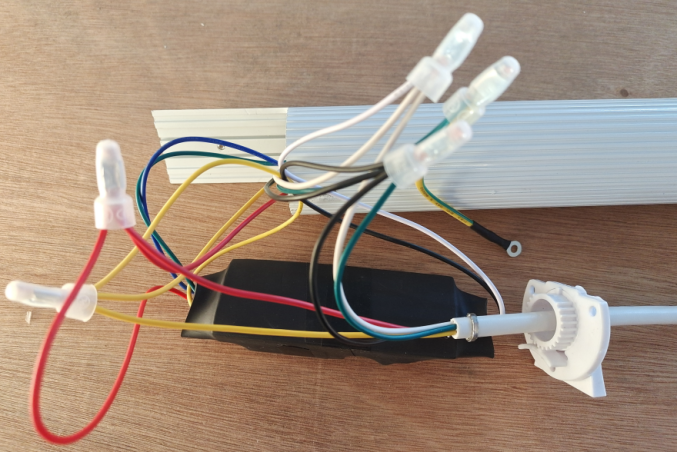
Integrated module with pin welding and heat-shrink sleeving.

3.96 5P terminal connections for simplified assembly.
Compared with the legacy scheme, the old constant-current power supply required six lines (high-voltage input, low-voltage output and dimming) with nylon wire caps — a complicated wiring process prone to connection errors, slow to arrange, and with a hidden risk of wire breakage during operation.
FAQ
Why does the W40 0-10V lamp start at 0.31 V with 0.4% brightness?
Standard drivers have different start voltages (0.35 V–0.75 V depending on the supply). Setting one explicit threshold at 0.31 V with an initial brightness of 0.4% keeps start behaviour uniform across units and lengths, avoiding uneven dimming.
What is hysteresis and why is the buffer width 0.12 V?
Hysteresis prevents oscillation around the threshold: the lamp switches on above 0.31 V and only switches off below 0.19 V. The 0.12 V buffer eliminates stroboscopic flicker and out-of-sync behaviour caused by small voltage fluctuations.
How is dimming-current consistency within 5% achieved?
The MBI6655 driver chip is modularly integrated, and dimming current is determined by the accuracy of the driver chip and the dimming resistance. MCU averaging of 15 voltage samples further removes signal fluctuation.