


2700K vs 3000K vs 4000K vs RGBW — Colour Temperature for Architectural Lighting
How to choose between warm white, neutral white, cool white and RGBW dynamic colour for facades, bridges, landmarks and hospitality projects.
What Colour Temperature Means — and What It Does Not
Colour temperature (CCT) is measured in Kelvin and describes how warm or cool a white light appears. Lower numbers (2700K–3000K) produce a warm, amber-white light similar to incandescent. Higher numbers (4000K–6500K) produce a cool, blue-white light similar to daylight.
What CCT does not describe is brightness or light output. A 2700K fixture and a 4000K fixture of the same wattage and luminaire efficacy produce the same lumen output. The difference is entirely visual tone — how the light feels, and how it renders the materials it falls on.
Colour Temperature Scale
The Four CCT Options in Architectural Lighting
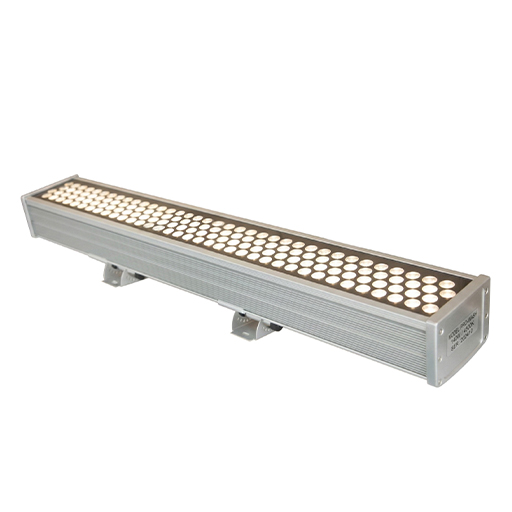
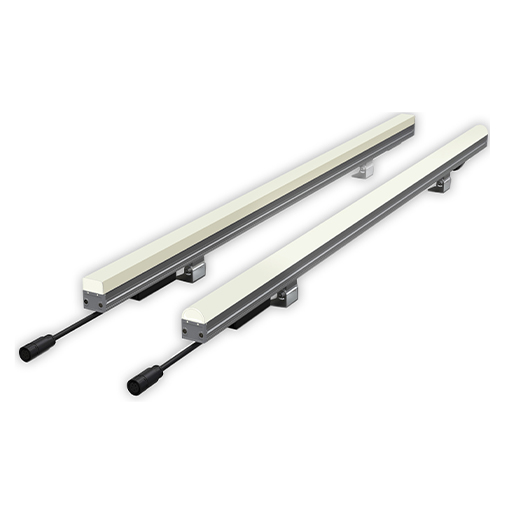
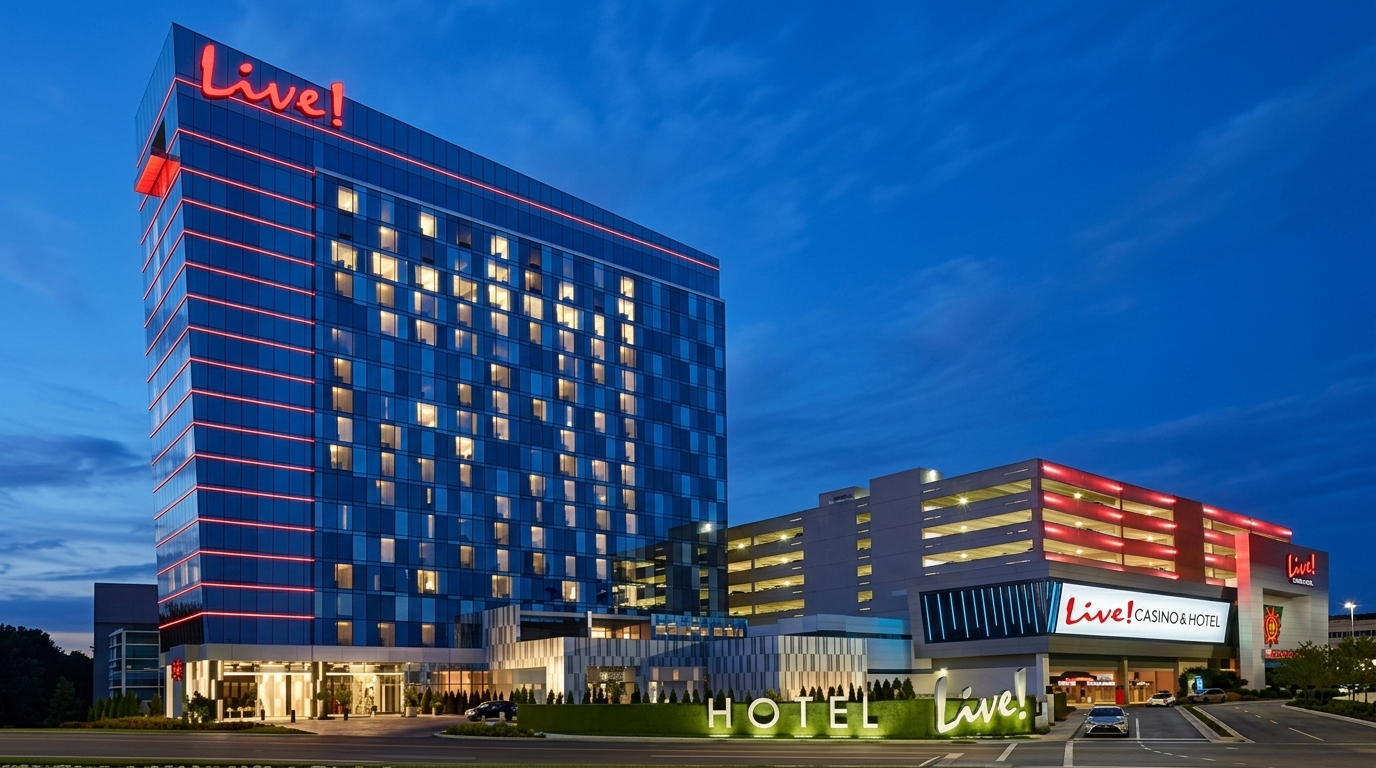
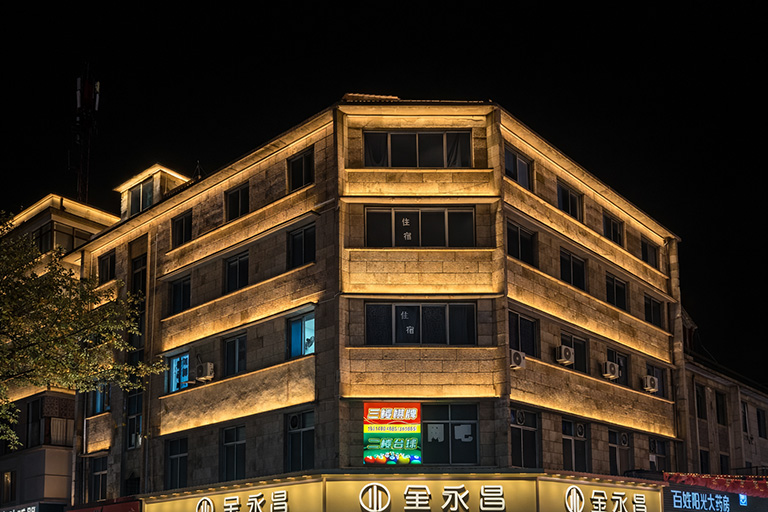
Warm, golden and intimate; flatters sandstone, timber, brick and terracotta. Associated with luxury hospitality and heritage architecture.
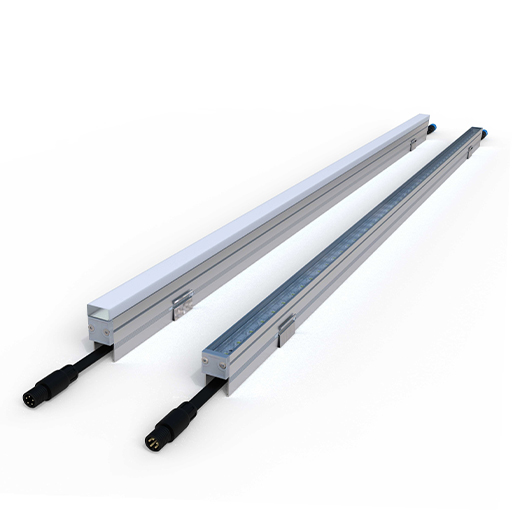
The most frequently specified CCT for architectural facades in TPK project experience; renders most materials well and suits glass and masonry alike.
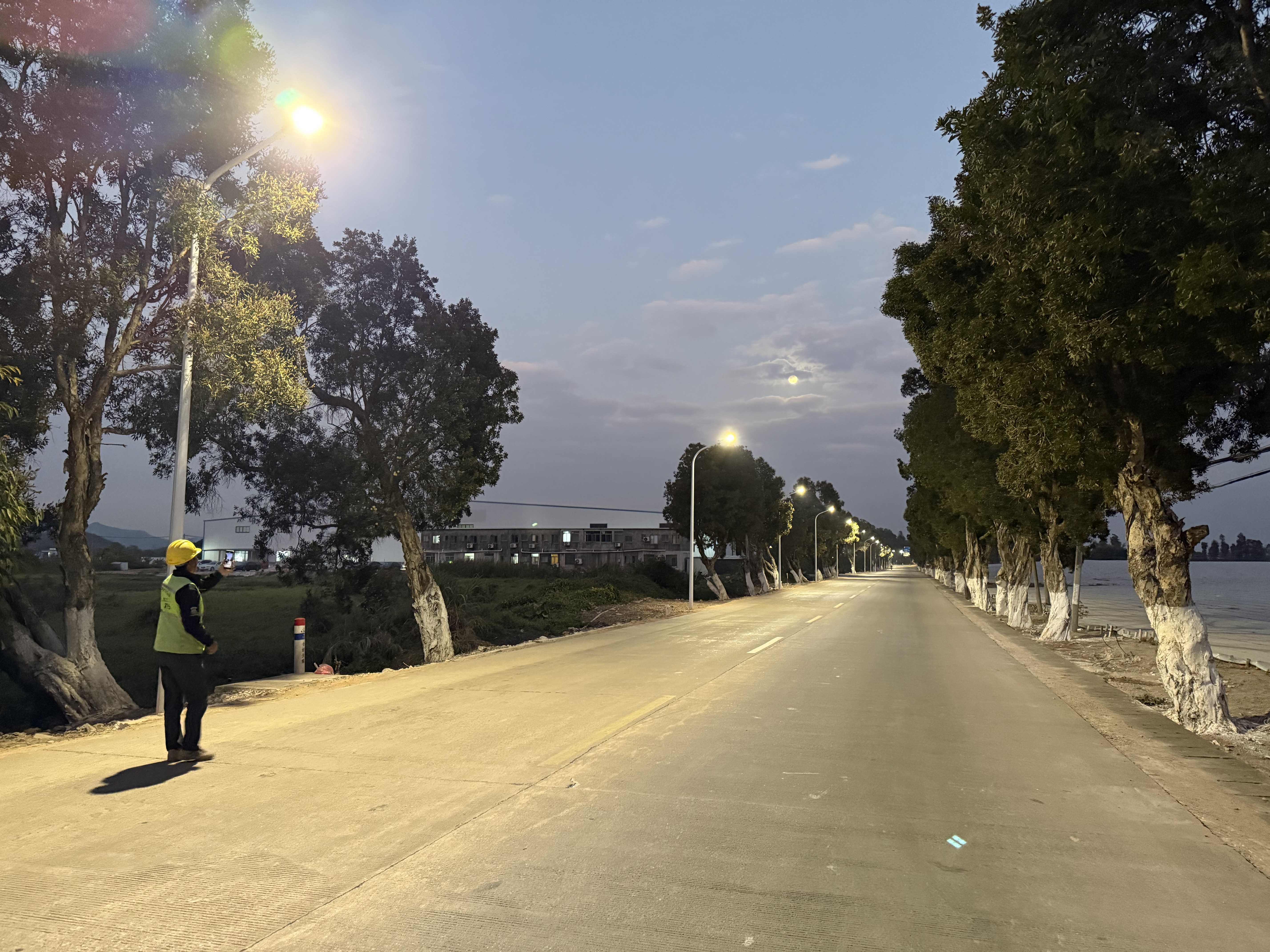
Neutral, clean and accurate; renders material colours without warmth bias. Suits modern glass and steel buildings and engineering structures.
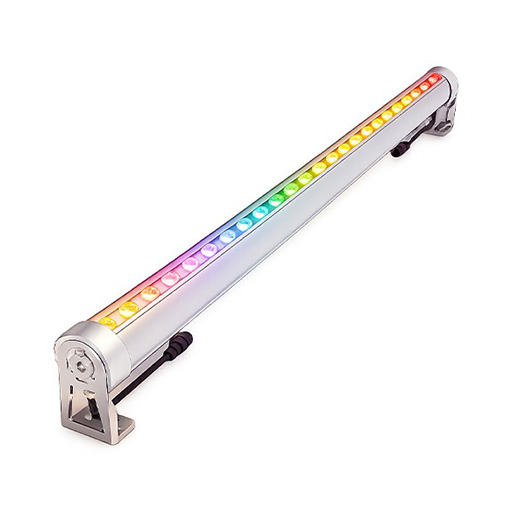
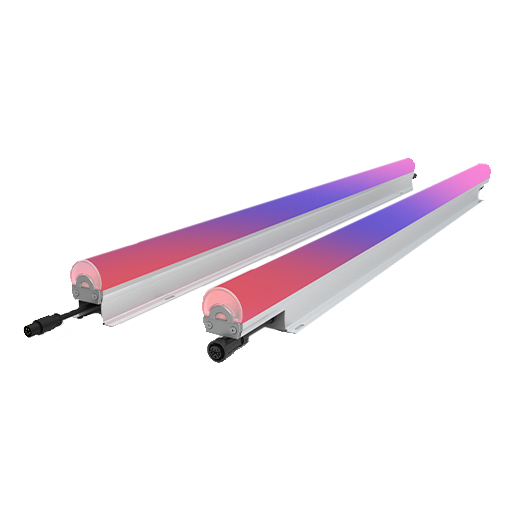
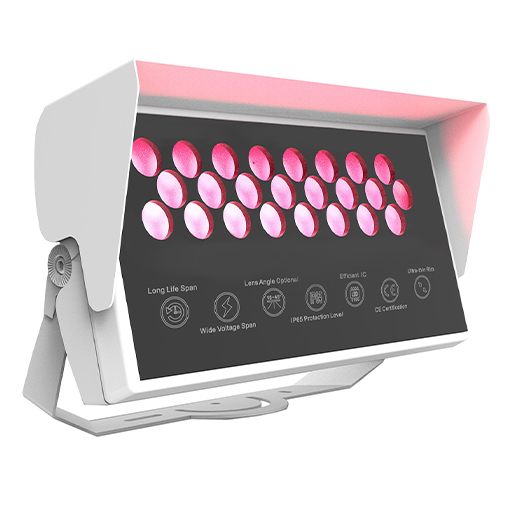
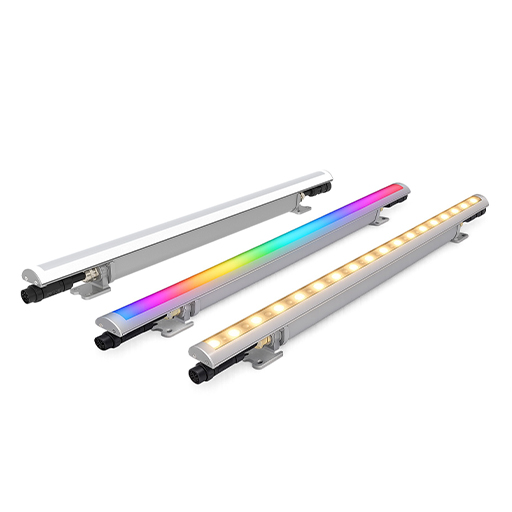
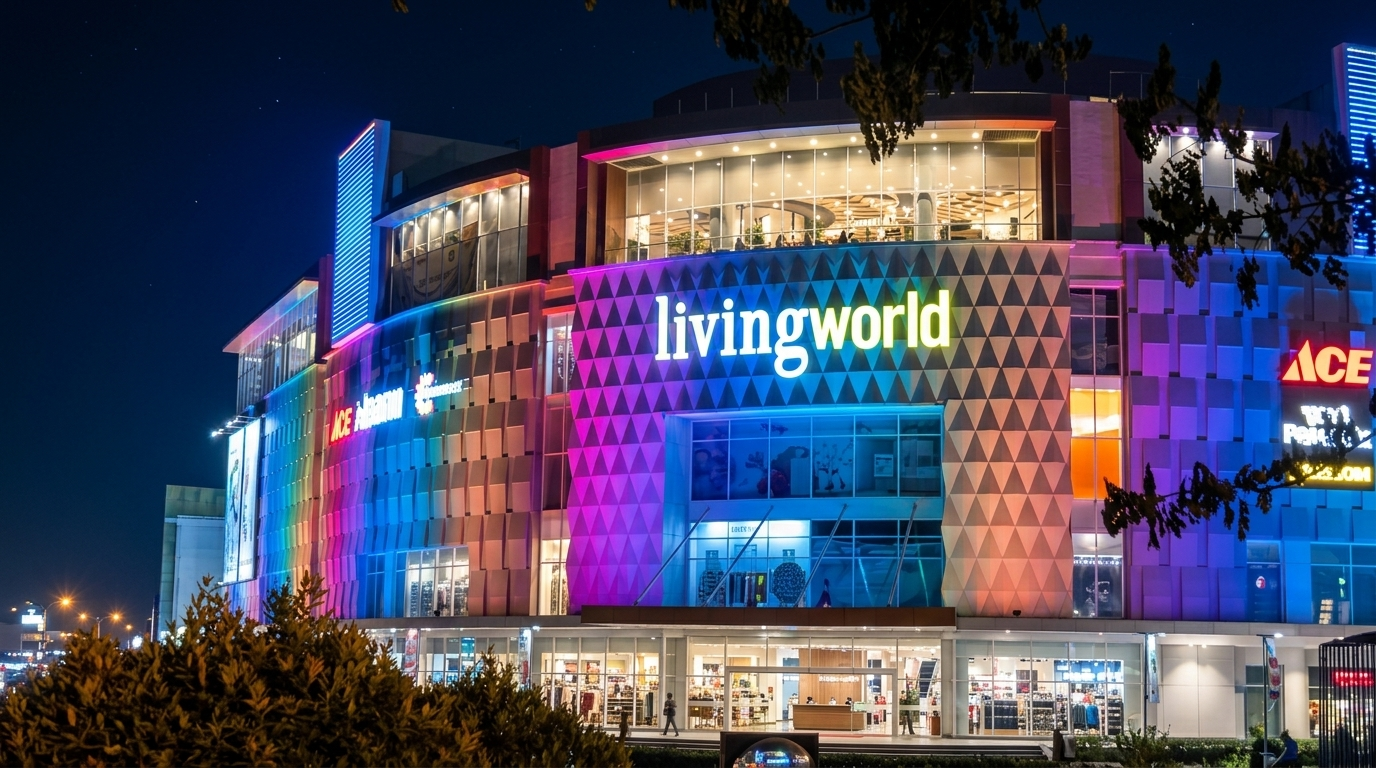
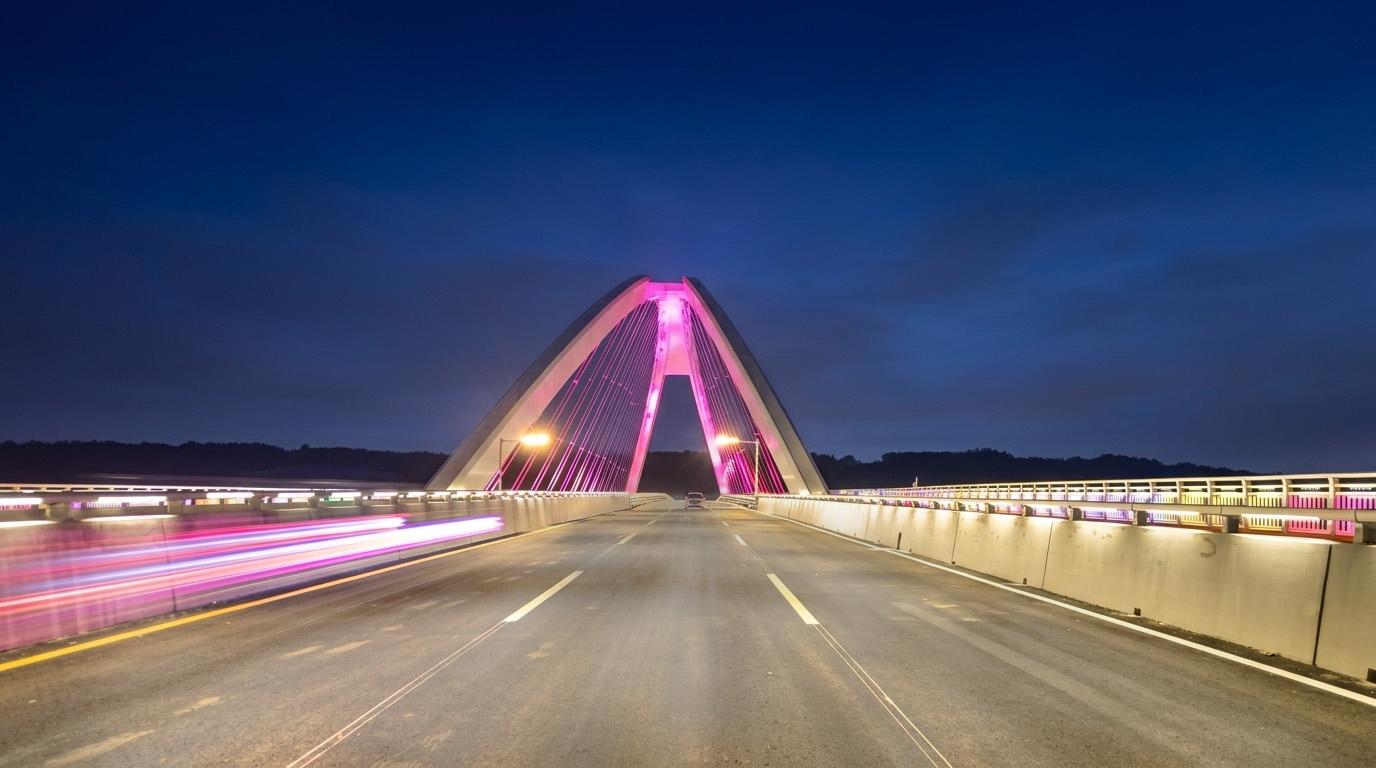
A multi-channel colour-mixing architecture, not a colour temperature. Produces any colour through red, green, blue and white channels; requires DMX512 control. Based on TPK typical quotations it generally carries a 30–50% cost premium over single-CCT fixtures.
That 2700K warmth only reads as intended when it carries through the glazing: layered window treatments — sheer curtains by day, heavier blackout drapes after dark — keep the interior consistent with the facade. For the interior side, see this guide to custom blackout curtains.
CCT by Building Type — The Decision Table
| Building Type | Recommended CCT | Reasoning | Avoid |
|---|---|---|---|
| Luxury Hotel / Resort | 2700K–3000K | Warm light communicates hospitality and comfort, matching interior ambiance | 4000K+ — creates institutional feel |
| Commercial Office Tower | 3000K–4000K | Neutral-warm projects corporate confidence; precise material rendering | 2700K — may appear dim by comparison |
| Shopping Centre / Retail | RGBW or 3000K | RGBW for event-driven colour; 3000K for permanent white baseline | Single CCT if events are planned |
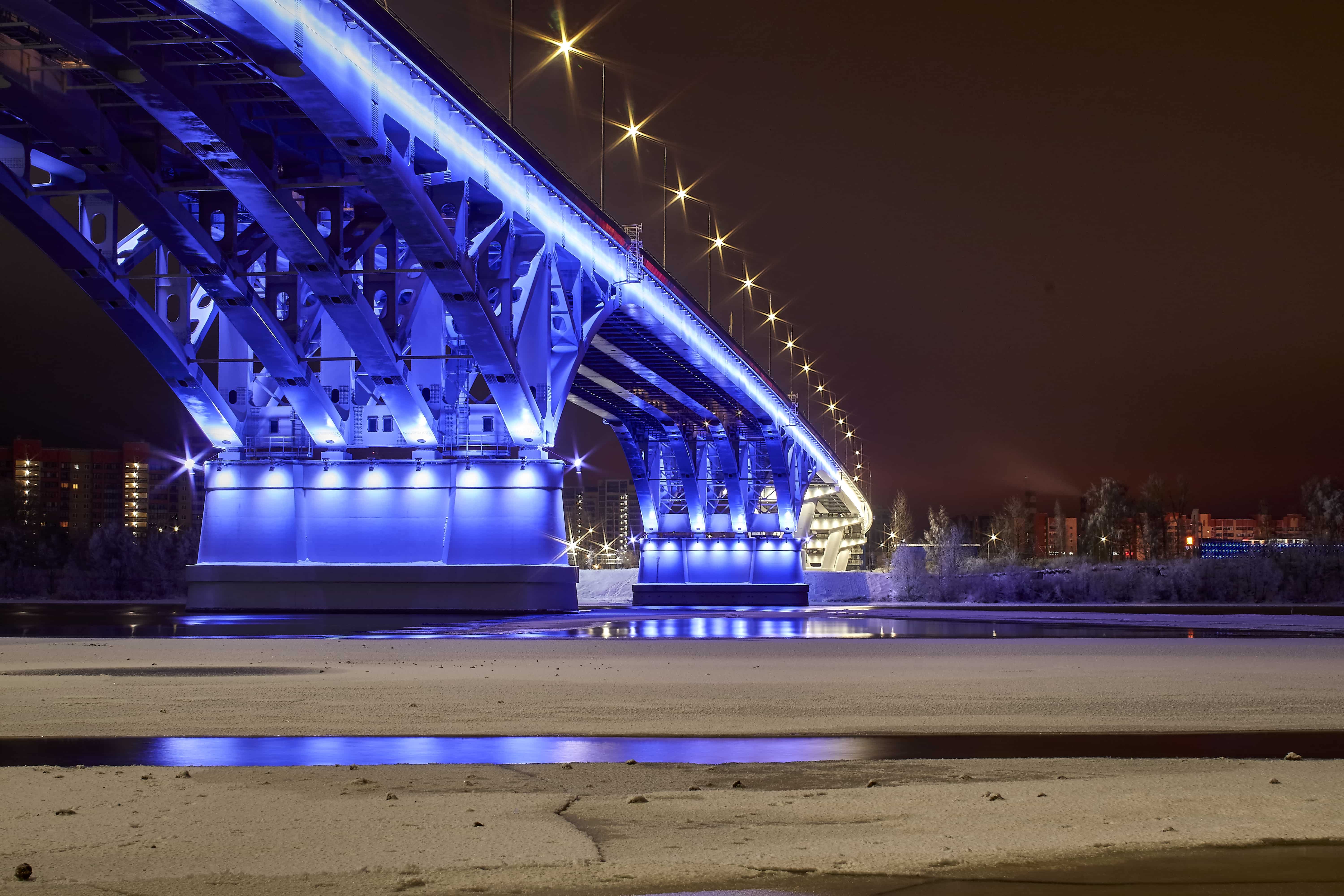
| Bridge (Urban / Civic) | 3000K or RGBW | 3000K for permanent white; RGBW if the city requires festival capability | 6500K — too clinical for public bridges |
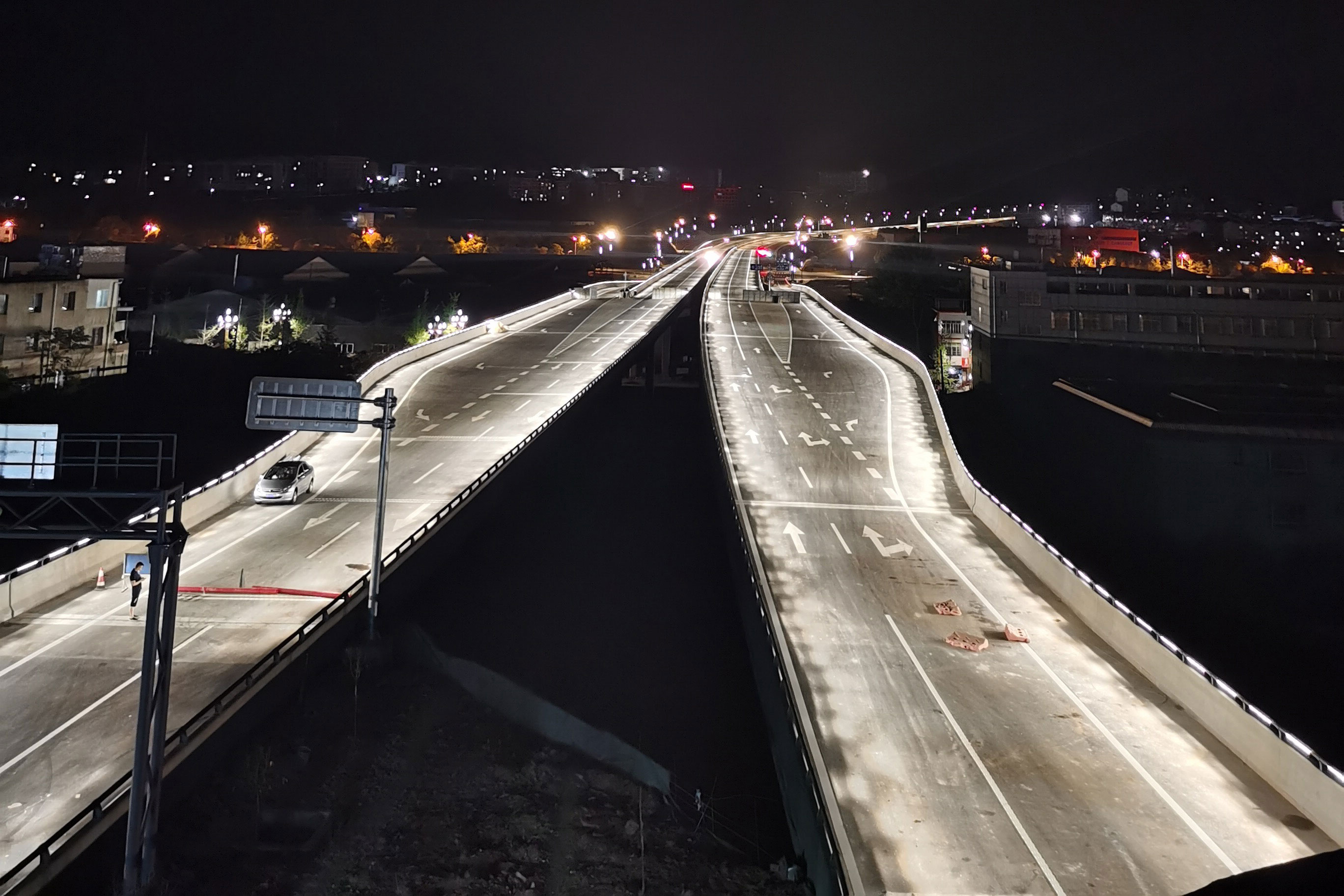
| Bridge (Highway / Industrial) | 4000K–5000K | Safety and visual clarity; no residential surroundings to consider | 2700K — insufficient visibility contrast |
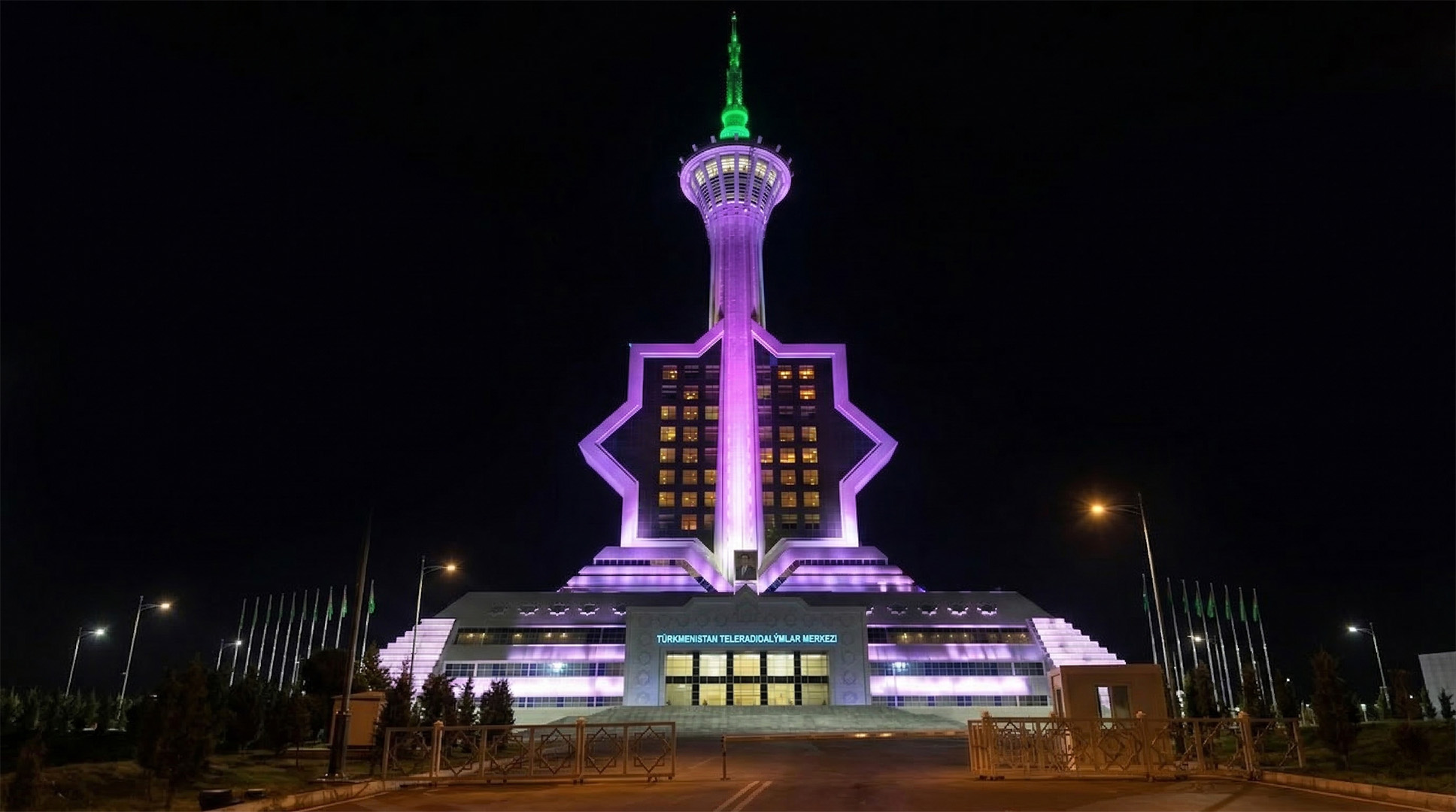
| Landmark / Monument | 3000K or RGBW | 3000K for permanent dignity; RGBW for national celebration capability | 4000K+ — strips warmth from heritage stone |
| Heritage / Historic District | 2700K–3000K | Warm light preserves the visual character of old buildings and streets | 4000K+ — conflicts with historic character |
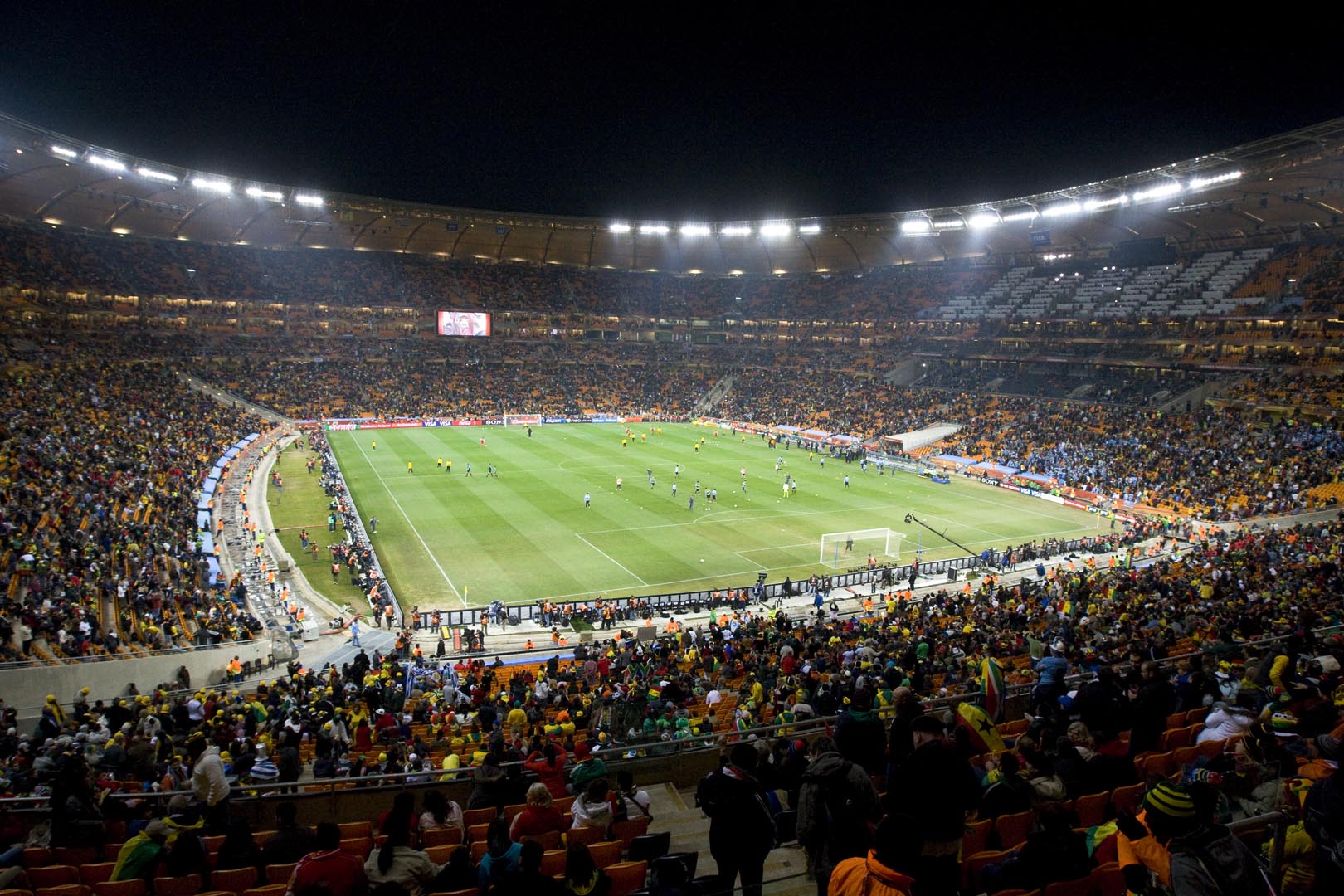
| Stadium (Architectural) | 4000K or RGBW | 4000K for permanent structure; RGBW for team colours and events | 2700K — insufficient for large-scale clarity |
The Case for 3000K as a Default
When there is uncertainty about the right CCT — or when a single fixture needs to work across multiple facade materials and contexts — 3000K is the most commonly specified option in TPK project experience for architectural lighting.
It is warm enough to feel considered and premium, but neutral enough that it does not conflict with modern glass buildings. It does not overpower pale stone or bleach natural timber the way 4000K can. In TPK project observation, it also sits comfortably beside contemporary urban streetlighting in Europe, the Middle East and Asia-Pacific.
RGBW — When Dynamic Colour Is Worth the Cost
Based on TPK typical quotations, RGBW fixtures generally cost 30–50% more than equivalent static-white fixtures. The additional cost is only justified when one of the following applies.
Seasonal or festival colour programmes are contractually required. In many Middle Eastern and Southeast Asian markets, building lighting must change colour for national days, religious festivals and civic events. A fixed-CCT building cannot respond to these requirements without a full fixture replacement.
Brand colour campaigns are part of the tenant’s marketing programme. Retail-led developments often require the facade to express tenant or event colour — this is only possible with RGBW.
The lighting is used as a revenue or engagement driver. In some city operating models, building operators are charged for participation in synchronised citywide light shows, where RGBW is a prerequisite.
For buildings where none of these apply, a static 3000K or 4000K system will generally deliver better white-light quality and simpler maintenance at a lower system cost.
Mixing CCT — When to Use More Than One
Complex buildings sometimes require two colour temperatures: warm white for the primary facade surface to create atmosphere, and neutral white for architectural accent features, columns or roof elements where material definition is more important than warmth. This is common in high-end hotel projects where the landscape and entrance are 2700K while structural canopies and entry features are 3000K.
As a general practice, keep mixed-CCT systems to a maximum of two temperatures. More than two creates visual incoherence that conflicts with architectural intention.
FAQ
What colour temperature should I use for a hotel facade?
For hotel facades, 2700K warm white is commonly specified. It produces a warm golden light that communicates luxury, comfort and invitation, matching the interior ambiance guests expect. 3000K is also acceptable and gives slightly better colour rendering of facade materials. Cool white at 4000K or above tends to create an institutional tone that conflicts with hospitality positioning.
What colour temperature is best for bridge lighting?
Bridge lighting usually uses one of three approaches: white light at 4000K–5000K for engineering clarity and safety, warm white at 2700K–3000K for heritage or urban bridges with residential surroundings, or RGBW dynamic for landmark bridges requiring festival capability. The choice depends on the bridge’s urban context, local authority requirements and whether dynamic colour programming is part of the brief. TPK recommends 3000K as a versatile single-colour specification for urban bridge lighting.
When should I specify RGBW instead of a fixed colour temperature?
Specify RGBW when seasonal or festival colour is contractually required, when brand colour campaigns are part of the building programme, or when the installation will participate in citywide light shows. Based on TPK typical quotations, RGBW generally costs 30–50% more than static-white fixtures. For buildings without these requirements, static white can deliver better white-light quality at a lower system cost.