


Bridge Lighting Solutions
For bridge projects, the critical decisions usually come first: glare control for drivers, weather resistance, long cable runs, mounting feasibility and how the structure reads from a distance at night. These decisions should be reviewed before fixture selection.
Enhance the structure without disturbing drivers or nearby viewpoints.
Plan power routes, signal continuity and controller zones early.
Use static white for calm structure, RGBW DMX for civic scenes.
Structure, Glare, Control
Bridge lighting usually combines structural reading and visual hierarchy. Fascia beams, parapets, piers, pylons and cables each need a different optic strategy. For early review, connect the concept back to bridge lighting engineering specifications and confirm which surfaces should read first.
For road bridges, anti-glare discipline is essential. Fixtures should be aimed and shielded so the roadway stays calm and safe. When runs or scenes are long, review the long-distance DMX signal strategy before the control layout is frozen.
For project teams, the real value is a workable system package. That includes suitable fixtures, practical mounting thinking, IES and spacing verification, plus a clear route through ETL, CE and ISO documents.
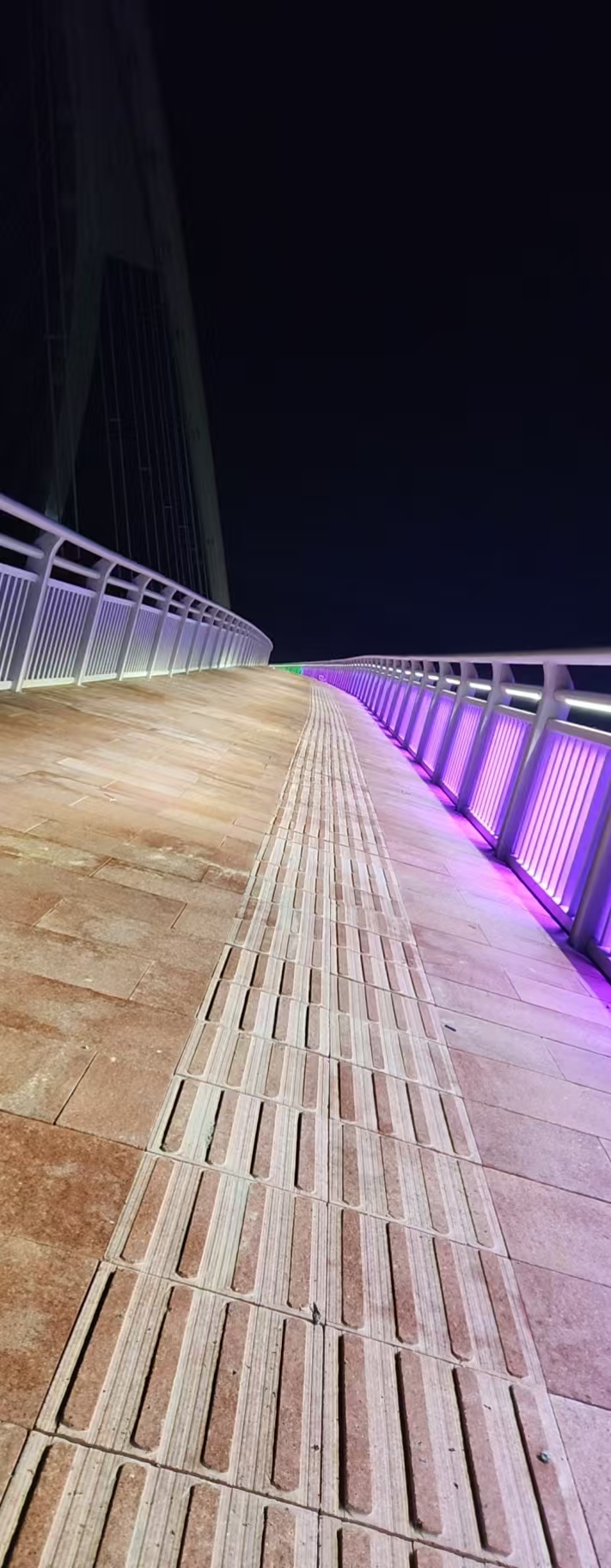
Structure first, effects second
A calm base layer, controlled optics and serviceable installation details make the night effect more durable than a purely decorative lighting scheme.
Fascia and edge line
Wall washers and linear solutions help the bridge read as one coherent object from a long distance, especially on river crossings and urban road bridges.
Pylon and cable emphasis
Spotlights and tighter beams are used where structure needs definition without flooding the whole bridge with unnecessary brightness.
Static or DMX control
Some projects only need stable warm or neutral white. Others need programmable RGBW scenes for events, holidays or civic programming.
Solve Risks Before Selection
Glare control
A bridge can look impressive from outside yet still fail if the beam control disturbs drivers, pedestrians or adjacent viewpoints. Optical discipline matters as much as output.
Use shielded optics and calm aiming.Long cable runs
Bridges naturally stretch control and power routes over long distances. A product-only answer is rarely enough; routing and signal continuity must be considered together.
Confirm power routes, DMX zones and repeater positions.Mounting feasibility
Bridge details vary widely: parapets, fascias, trusses, piers and inspection paths all change how a fixture can actually be installed and maintained.
Review brackets, fixing points and access before selection.Outdoor exposure
River mist, rain, dust, temperature shifts and constant outdoor exposure make sealing and long-term reliability a first-layer requirement, not a nice-to-have.
Prioritize sealing, materials and certification route.Maintenance access
A fixture replacement on a bridge is not like replacing a fixture on an indoor wall. Access, lane control and labor exposure all affect lifecycle thinking.
Plan access, documents and replacement routes.Multiple viewpoints
Bridges are viewed from moving vehicles, riversides, city elevations and pedestrian routes. The scheme has to hold together from more than one distance and angle.
Validate hierarchy from key viewpoints.From Brief to Lighting Plan
Start with constraints
Bridge type, viewing distance, mounting conditions, power route and control needs set the real selection boundary.
Use rough inputs early
Drawings, site photos, cable-route notes or a simple target effect are enough to narrow fixture family and control approach.
Turn review into quotation
The first review should clarify product direction, mounting notes, control logic, case reference and next quotation steps.
Bridge type
Start from road bridge, river bridge, overpass or landmark span before discussing wattage.
Fixture family
Match wall washers, spotlights or high-output fixtures to the bridge zone.
Control logic
Decide whether the project needs static white, RGBW scenes or DMX zoning.
Cases and files
Compare bridge cases, product pages and technical resources before confirming direction.
Project review
Share drawings, location, target effect and schedule for feasibility review.
Bridge Fixture Options
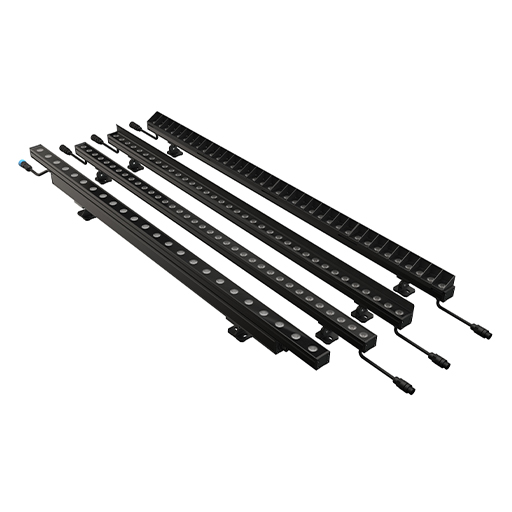
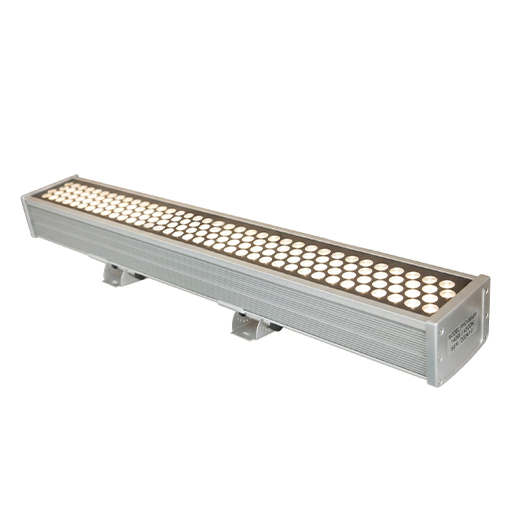
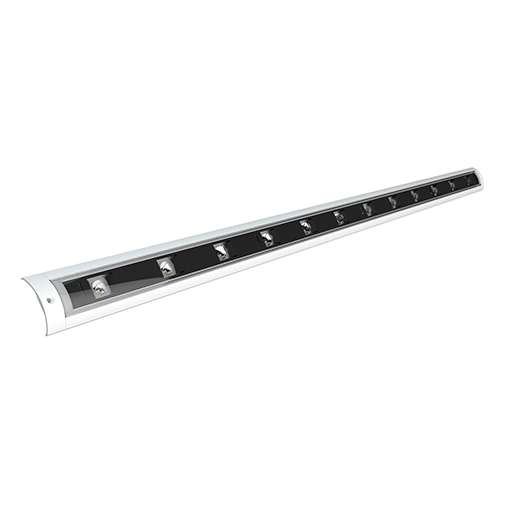
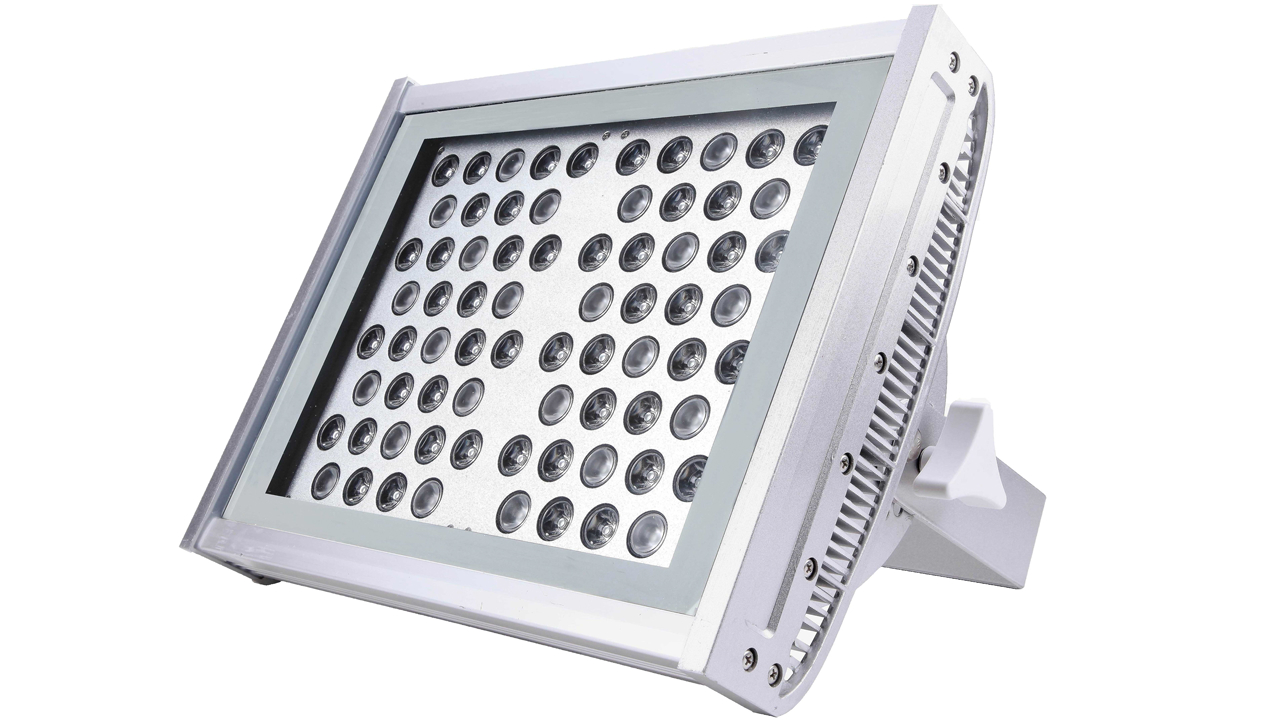
Beam control and shielding are reviewed with drivers, pedestrians and key viewpoints in mind. Use wall washer selection guidance for early fixture checks.
Control logic can be planned for calm white light, civic events or programmable bridge zones. See control protocol comparison.
Certification route, outdoor sealing and document needs can be reviewed before final quotation. Visit certifications.
Bridge Project References
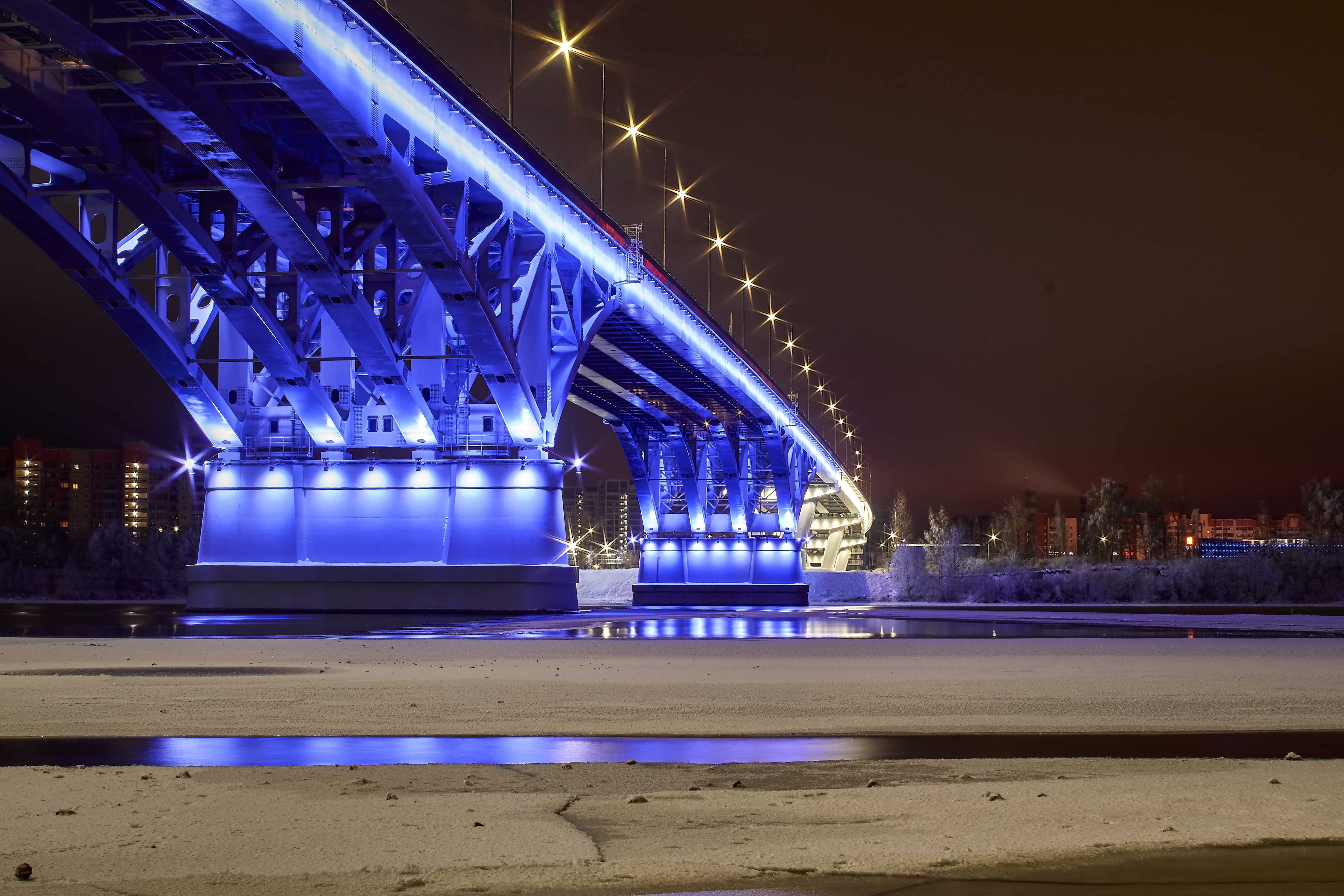
RGBW bridge lighting for a large truss-and-pier crossing, using layered illumination to define the structure and strengthen night identity.
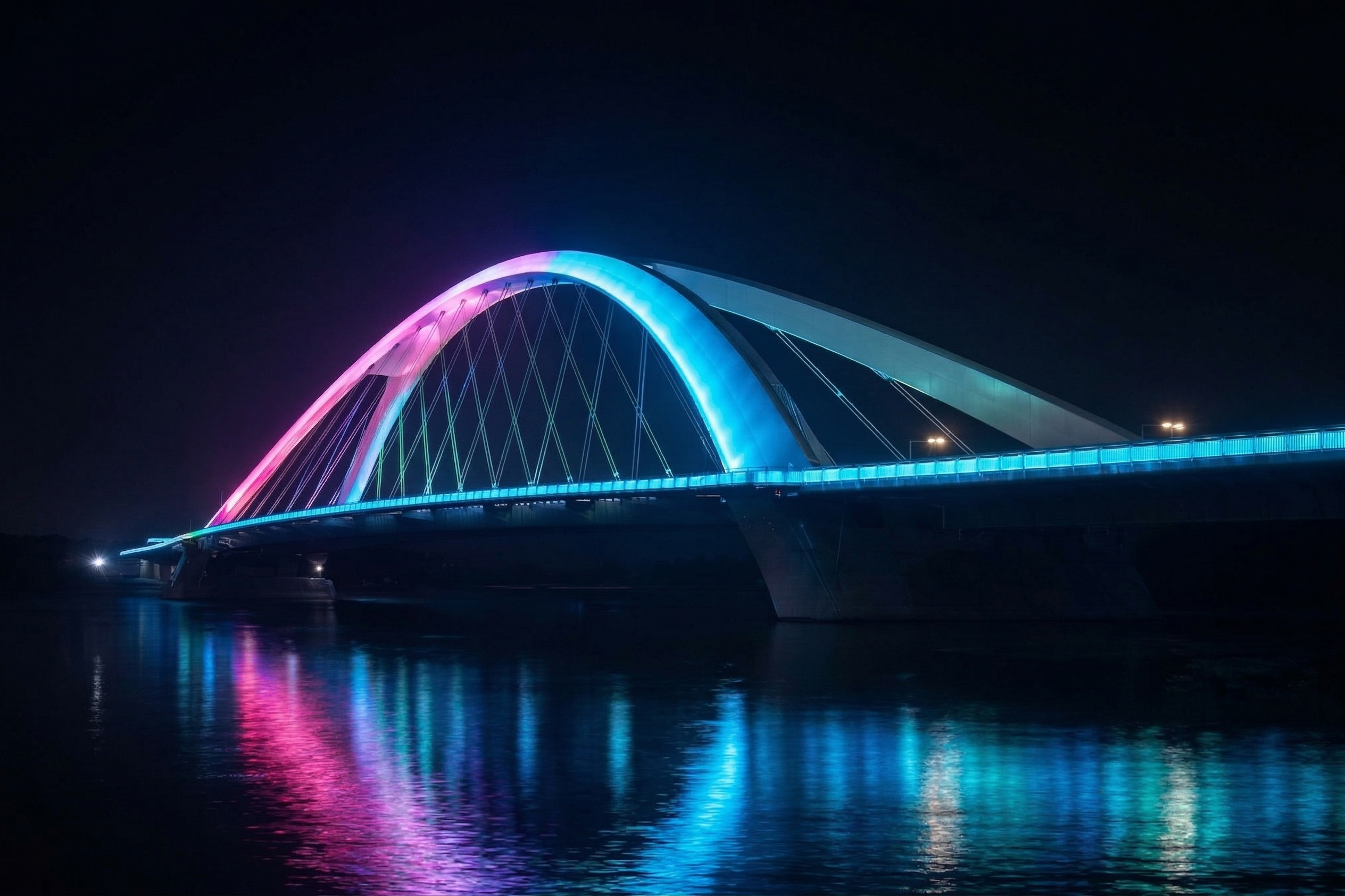
Custom RGBW bridge lighting for an inclined-arch crossing, combining barrier lighting and arch emphasis under one DMX512 control system.
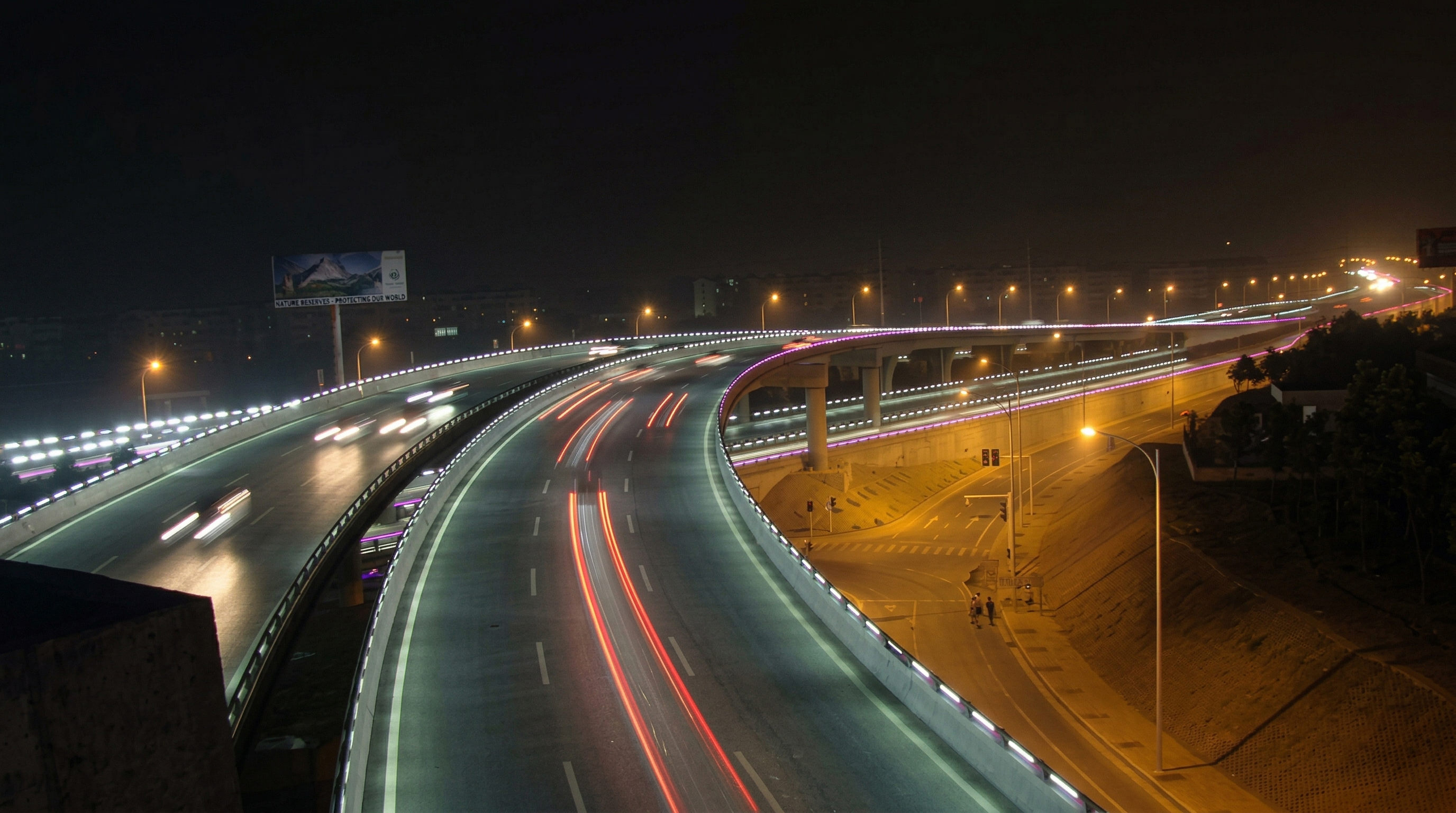
A calm roadway lighting scheme for an urban interchange, using guardrail lighting to improve night guidance without visual clutter.
Bridge Lighting FAQ
Bridge lighting usually combines LED wall washers for fascia or structural surfaces with spotlights or higher-output floodlights for pylons, trusses, cables or landmark accents. The correct combination depends on the bridge type and the viewing distance.
For road bridges, glare control and visual comfort are critical. The lighting should clarify the structure and improve nighttime identity without introducing disturbing brightness into the driver's field of view.
DMX is useful when the bridge needs programmable RGB or RGBW scenes for holidays, events or civic programming. It is also relevant when different structural zones need separate addressing or coordinated effects across long spans.
Prepare the bridge type, location, desired night effect, control requirement, available mounting positions and any drawings or site photos. This helps the engineering team judge fixture direction and possible constraints faster.
No. Many bridge projects are stronger with stable warm white or neutral white lighting. Dynamic color is most appropriate when the bridge has a civic, event-driven or landmark role that benefits from changing scenes.
The most useful starting materials are bridge type, project location, desired effect, whether the scheme is static or dynamic, and any available drawings, elevations or site photos. That is enough to start a practical product discussion.
Start a Bridge Lighting Review
Send the bridge type, location, drawings or photos, target effect, certification needs and control requirements. TPK can review product direction, practical constraints and quotation steps.