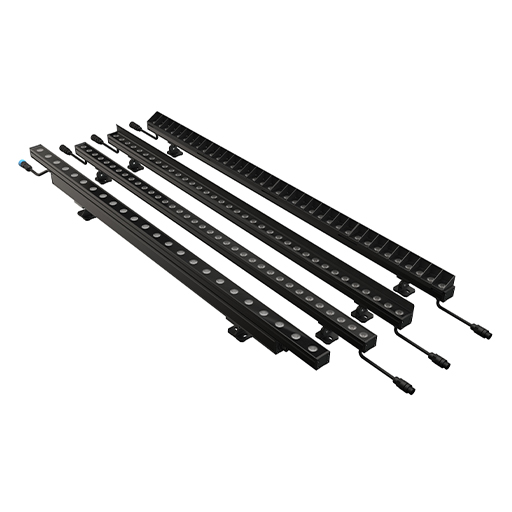
Landmark & Cultural Lighting Solutions
Facade and monument lighting for landmarks and civic buildings — wall washing, floodlighting and linear outlining with DMX512 / RDM control, matched to each facade by photometric review.
Landmark & Cultural Lighting Applications
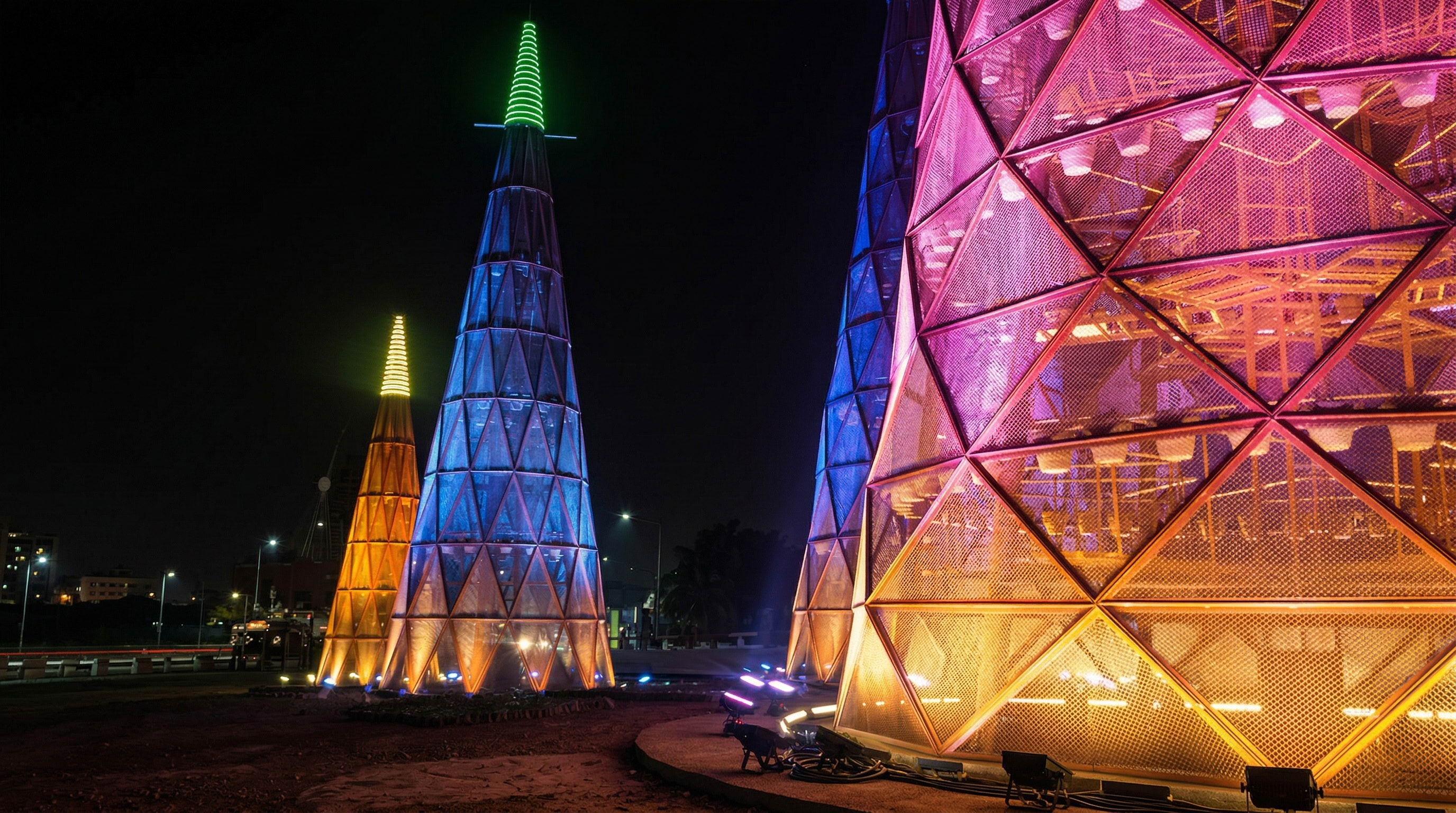
These projects solve one core problem: after dark, a single structure still needs to read clearly, remain recognisable and keep its architectural depth. Typical applications include monuments, civic and cultural buildings, towers, signature commercial facades and other structures with strong public identity.
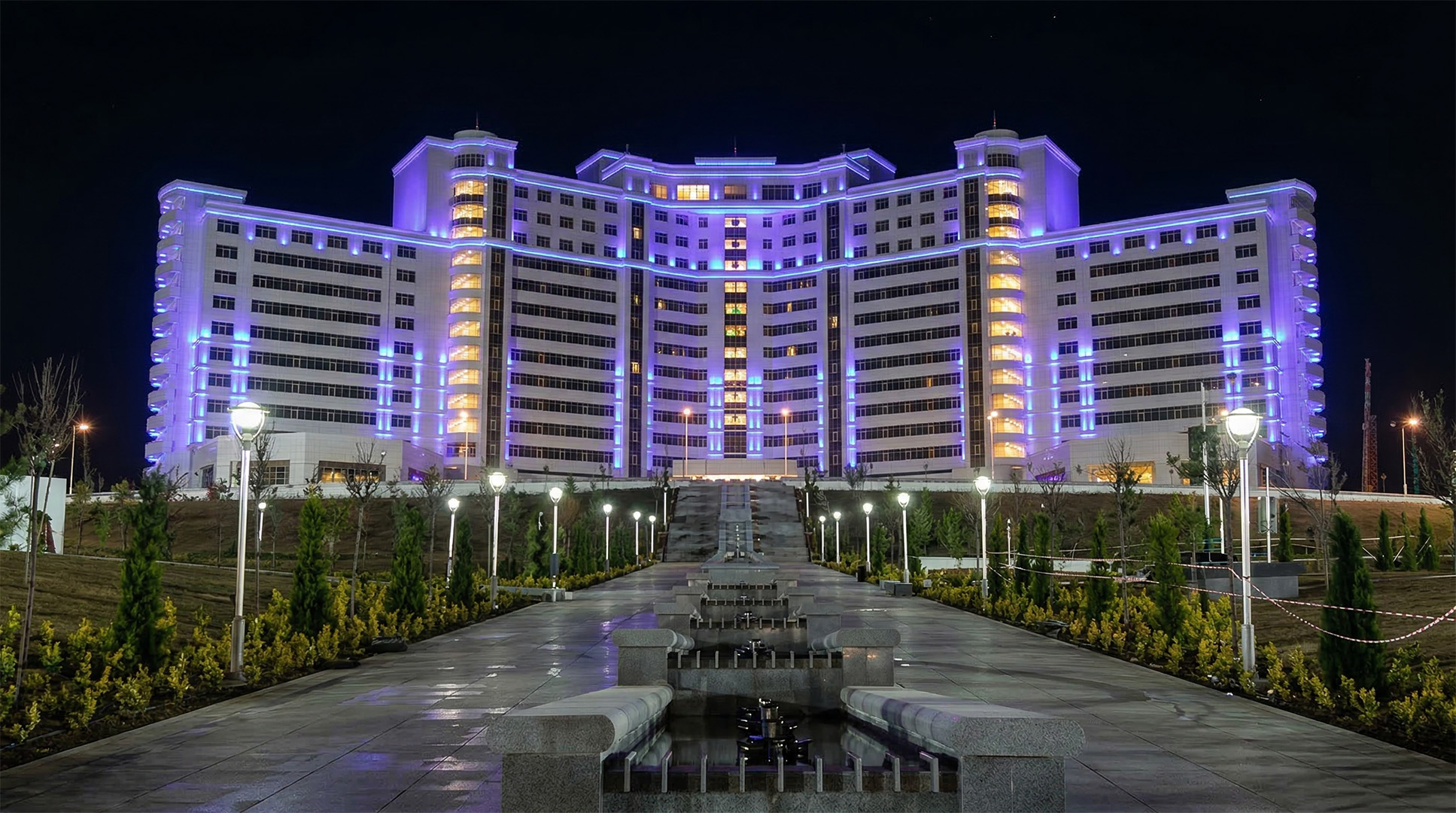
Monuments & Memorial Structures
Monuments, memorial facades and symbolic structures. Layered lighting keeps form and visual hierarchy clear from multiple viewpoints.
Civic & Cultural Buildings
Museums, cultural venues and public buildings. Emphasis stays controlled on facade texture, entrances and signature details.
Towers & Vertical Landmarks
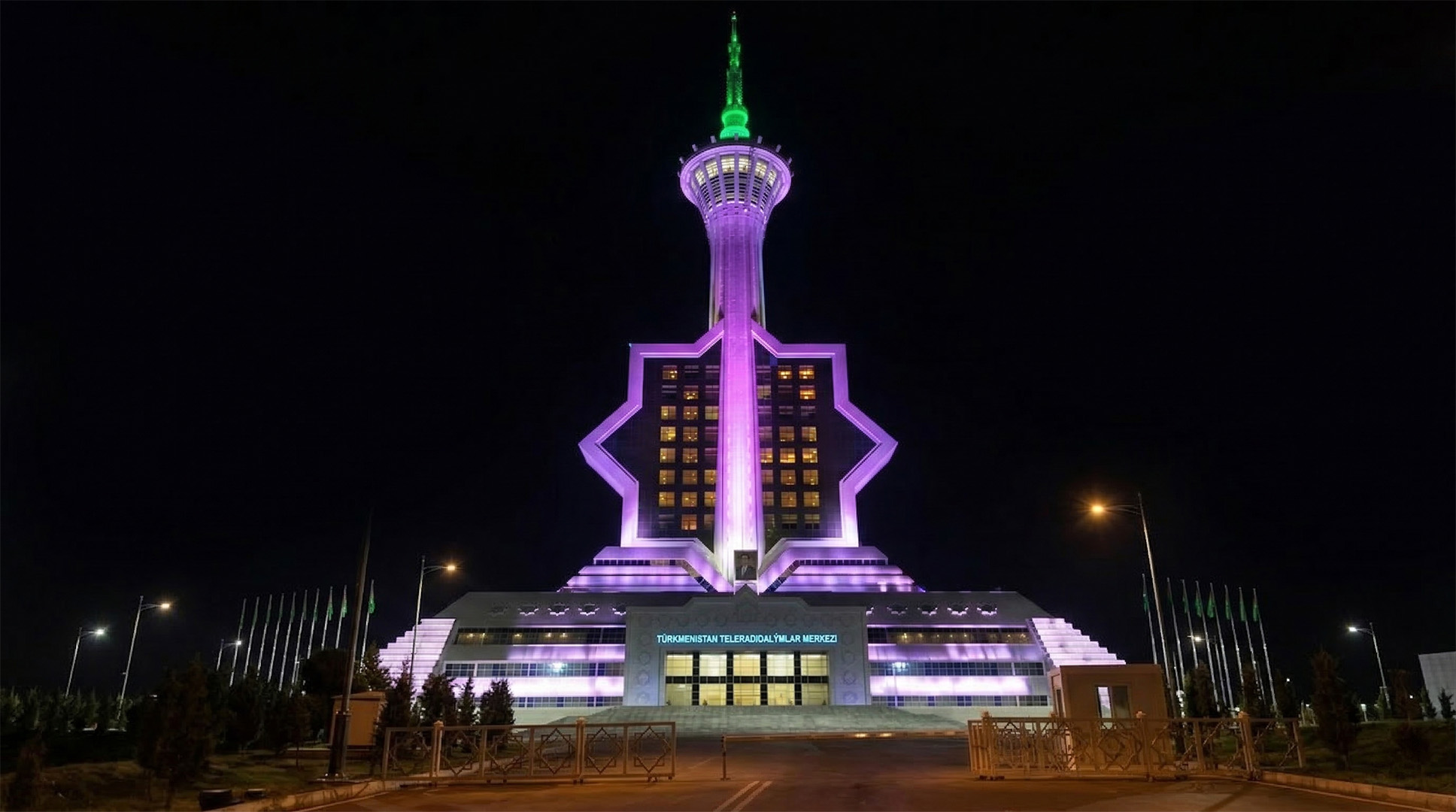
Spires, vertical masses and skyline elements. Narrow optics, zoning and coordinated control support long-distance recognition.
Signature Commercial Landmarks
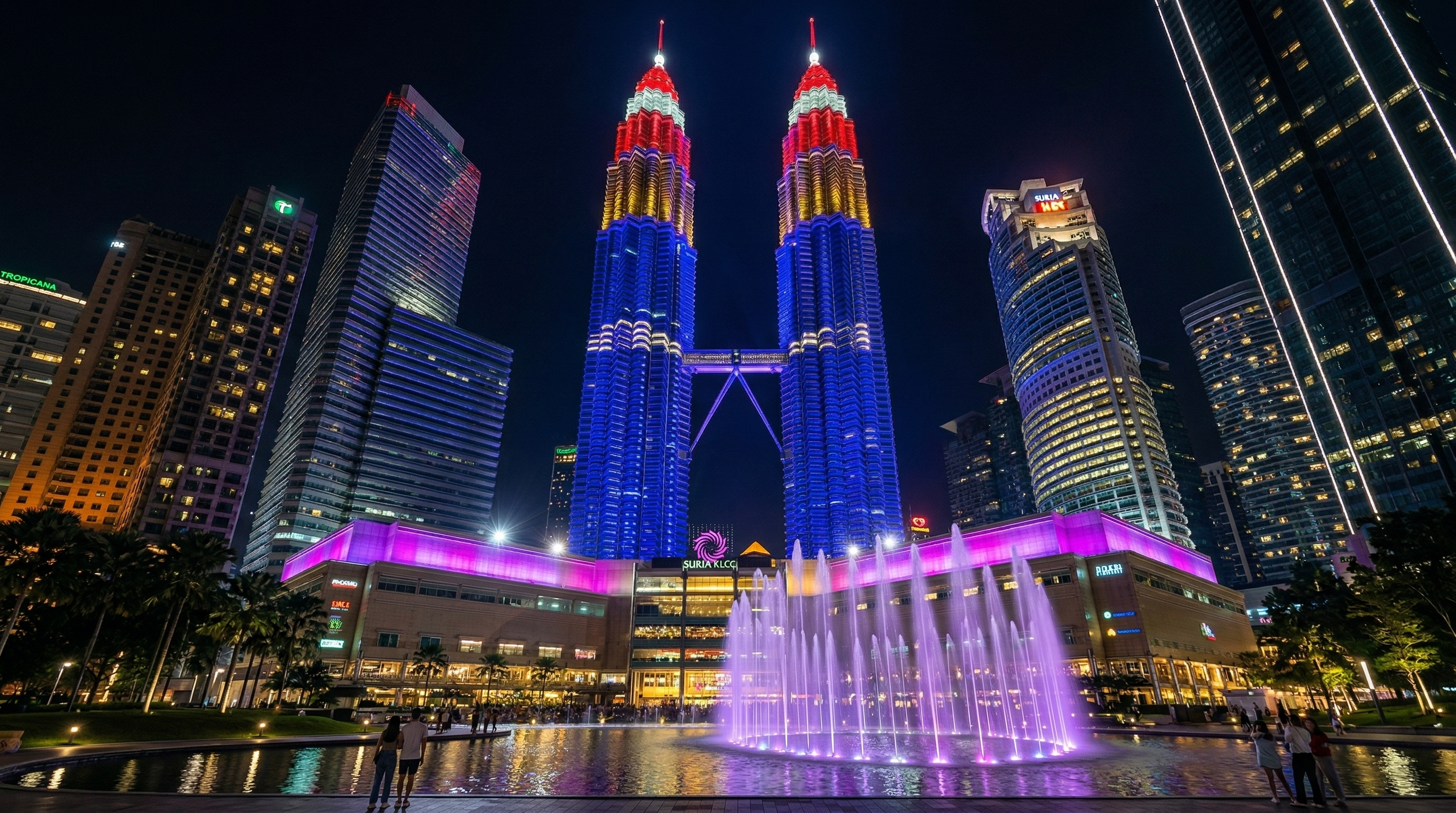
High-visibility commercial landmarks. Static or programmable lighting builds nighttime identity without sacrificing architectural clarity.
Edges, Spires & Structural Lines
Rooflines, vertical edges, frames and architectural contours. Linear lighting keeps the structure readable after dark.
Event & Ceremonial Scenes
Public events, national celebrations and brand moments. Selected zones can use RGB / RGBW scene control.
Engineering Priorities
Landmark lighting is not about adding more brightness. It is a balance between visual hierarchy, optics, viewing distance and static architectural identity versus programmable scenes.
Long-distance clarity without flattening form
If every surface is lit to a similar level, large structures can appear bright but flat. Foreground, middle and focal layers are needed to preserve depth at distance.
Complex geometry and mixed surface response
Curved surfaces, columns, mesh facades, spires and recessed zones need different beam angles and mounting positions. One optic cannot solve the whole structure.
Dynamic scenes without visual noise
RGBW and DMX can create strong recognition, but too much colour or uncontrolled transitions can overpower the architecture itself.
Outdoor reliability and maintenance access
Landmark fixtures are often installed at height or in difficult-to-reach positions. Protection, cable routing, driver serviceability and maintenance access need to be resolved before installation.
Landmark Lighting Strategy
Build the nighttime scene by visual task. Building mass, structural lines, focal details and event scenes use different fixture roles instead of competing at the same brightness level.
| Project zone | Primary task | Typical fixture role |
|---|---|---|
| Major facade surfaces | Reveal volume, texture and depth | Wall washer / architectural floodlight |
| Spires, rooflines & edges | Trace geometry and outline | Linear light |
| Focal elements | Controlled long-throw emphasis | Spotlight / floodlight |
| Event identity | Programmable scene switching | RGB / RGBW + DMX512 / RDM |
Project Planning Framework
A practical landmark review starts with viewing hierarchy and geometry, then moves through optics, fixture roles, control architecture and verification.
Define the Viewing Hierarchy
Define the primary viewing points, key facade elevations and signature elements, and identify which surfaces should remain secondary.
Match Optics to Geometry
Use viewing distance, mounting position, surface size and material response to narrow the beam angle and output range for each zone.
Build the Fixture & Control Mix
Assign wall washers, floodlights, linear lights and static or programmable control by visual task rather than by product category.
Verify Before Final Selection
Review IES data, spacing, aiming, cable routing, control zoning and maintenance access before the final configuration is locked.
Recommended Fixture Families
These fixture families cover broad facade washing, long-throw emphasis, structural outlining and compact wall washing. Final selection should match project geometry, optics, control, environment and target-market certification.
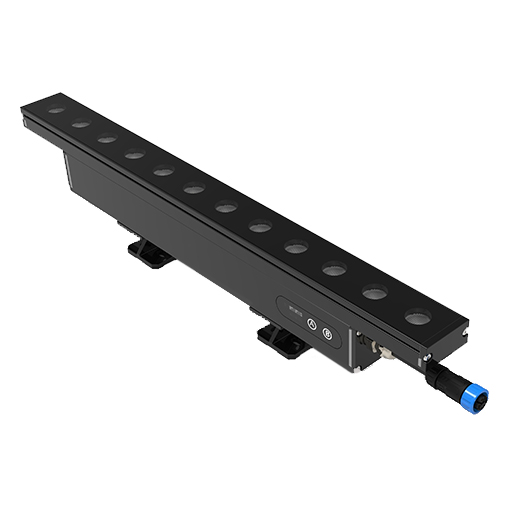
LWW-WZB-W55
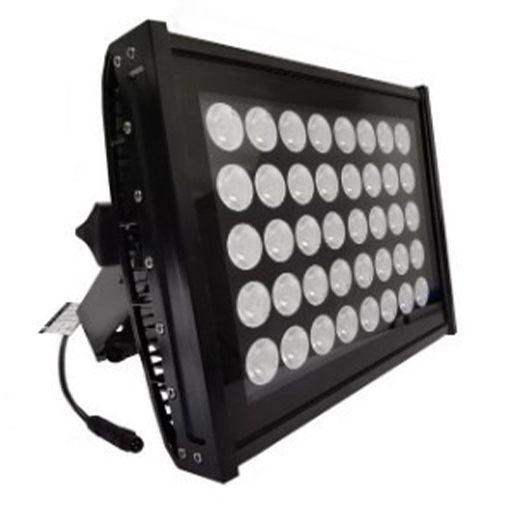
SP-MEGA-F310A/B
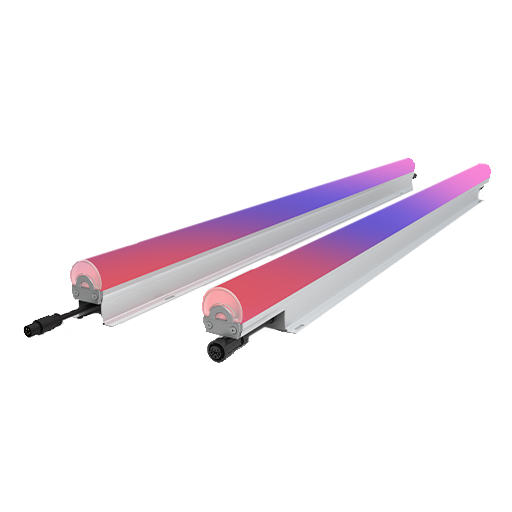
LLS-OP-D50