


Outdoor LED Luminaire Waterproofing — Materials, Pressure, Process and Validation
Field notes from real products, real failures and the improvements that followed.
Materials age
Gaskets, sealants and die-cast parts change over time under temperature swings, UV exposure and mechanical stress.
Every luminaire breathes
Heating, cooling and sudden rainfall continually change the pressure inside the housing, gradually turning small weak points into real leakage paths.
Process details show up in the field
Short sealant fill, incomplete curing and trapped moisture may be invisible at the factory, then surface months or years later outdoors.
Waterproofing is a system, not a single production step
Returned luminaires rarely fail for only one reason. A gasket has lost recovery, the sealant has aged, the casting has porosity, the end cap is loaded unevenly, or thermal cycling has driven moisture into an already weak interface. That is why none of the controls below should be treated in isolation.
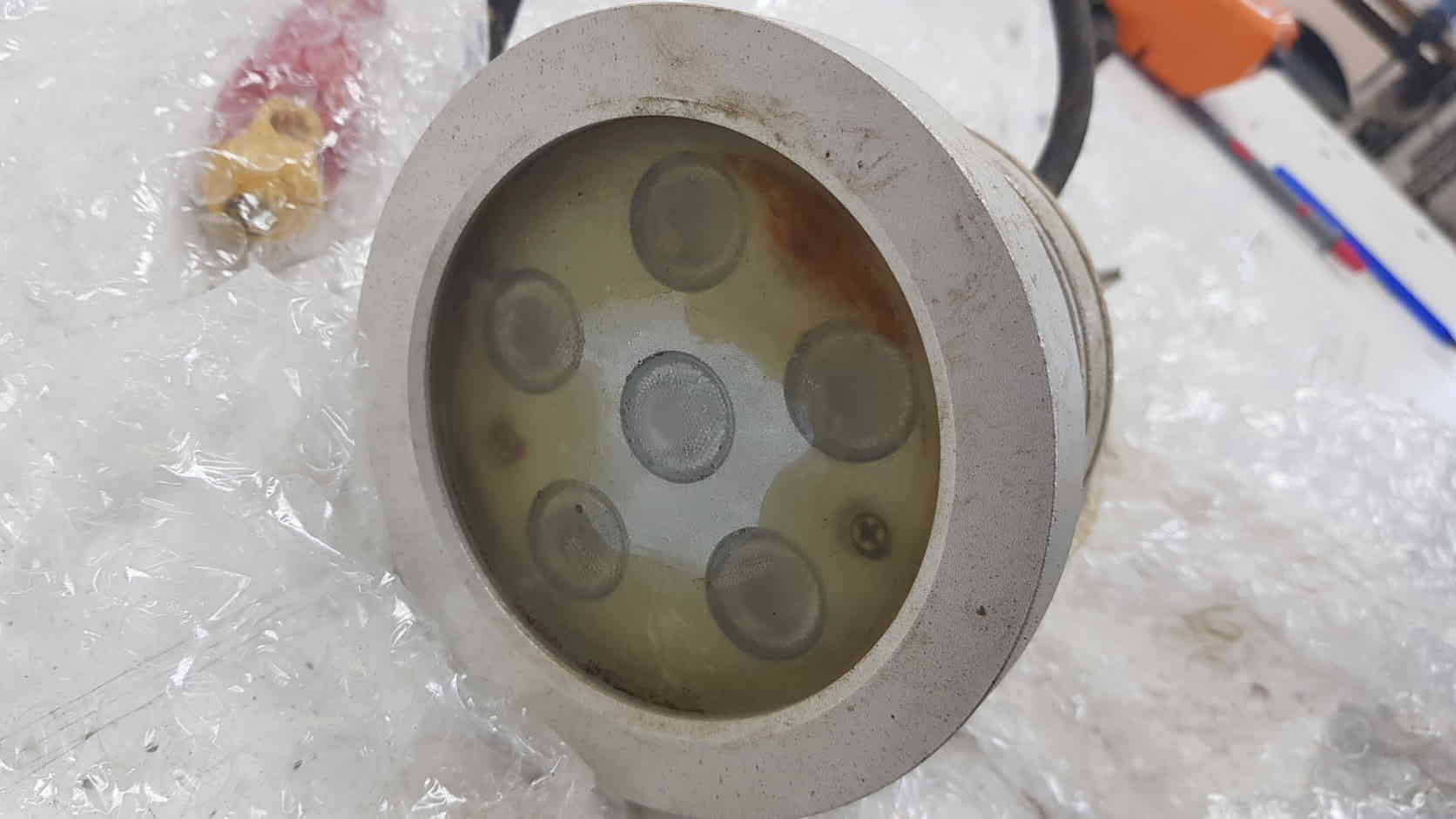
Materials age. Gaskets develop compression set, while sealants can harden or crack under UV exposure, temperature changes and repeated movement.
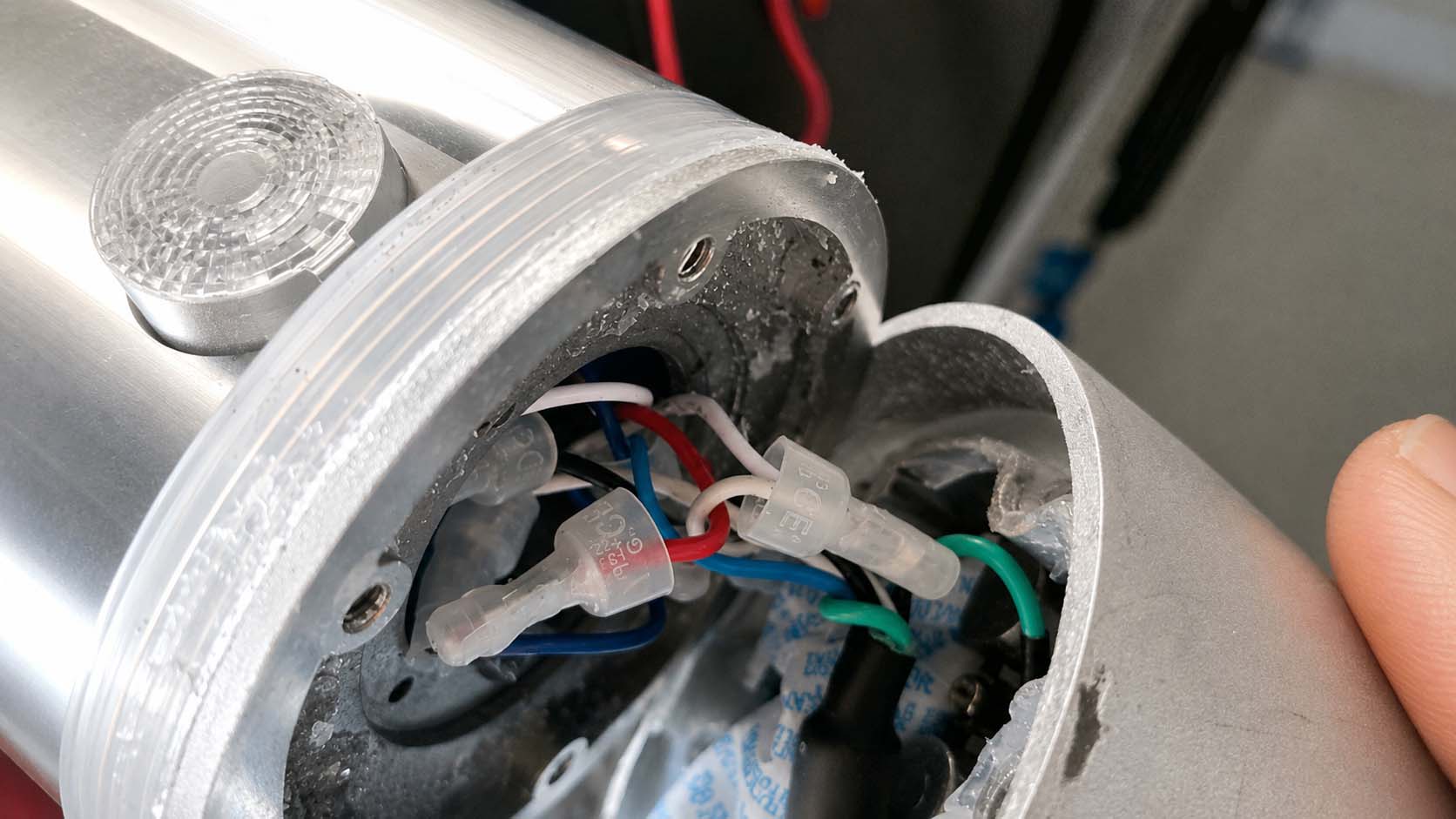
Every luminaire breathes. As the housing heats up the air inside expands; when it cools, negative pressure can pull moisture through weak interfaces.
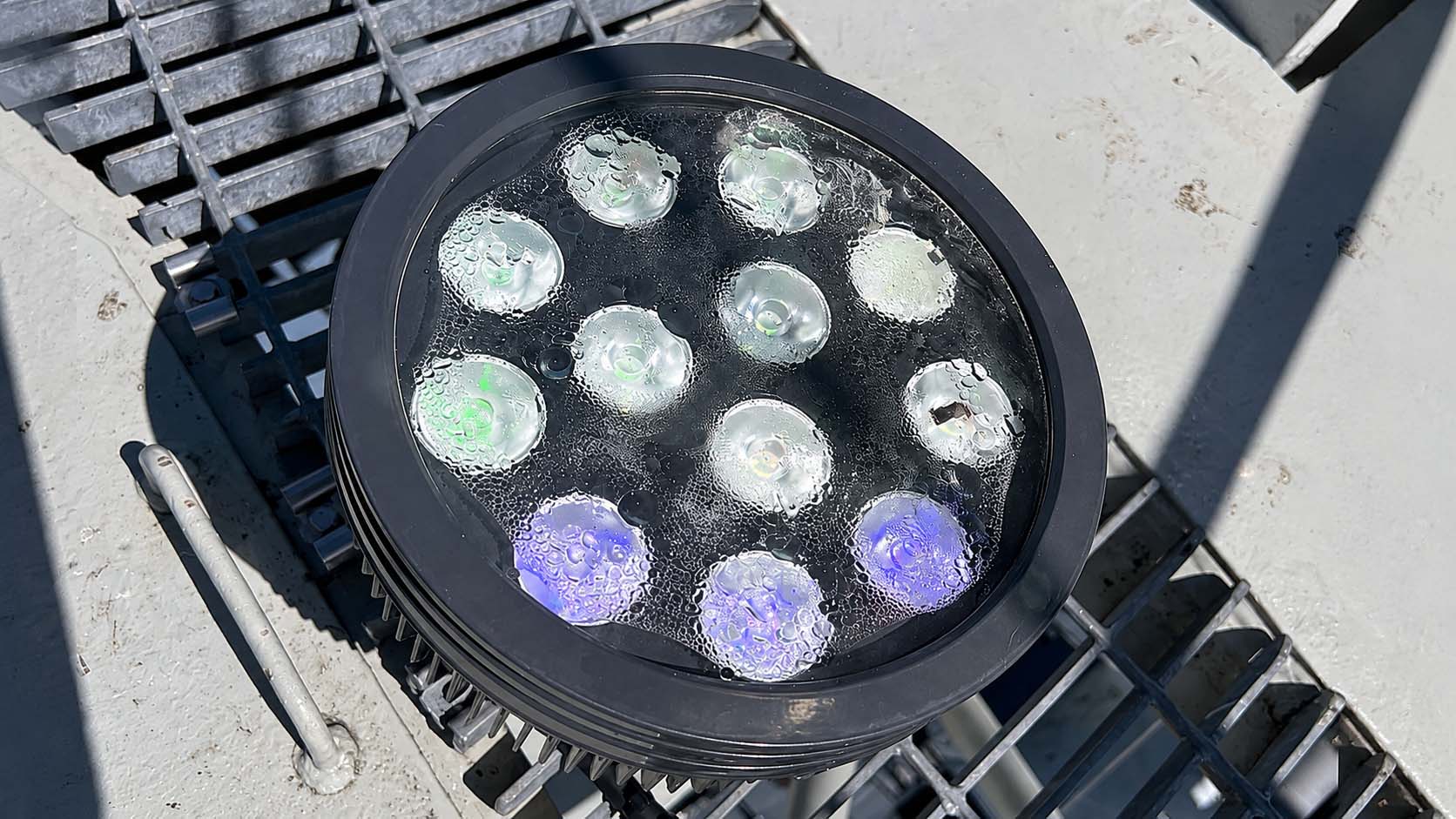
Process details surface later. Short sealant fill, incomplete curing and residual moisture can each become a leak path outdoors.
Casting porosity is a waterproofing risk
Contamination in the aluminium casting process can leave internal porosity or pinholes that are invisible from the outside. If the wall is too thin, those defects can form a continuous path through the housing, and thermal cycling actively draws moisture inward.
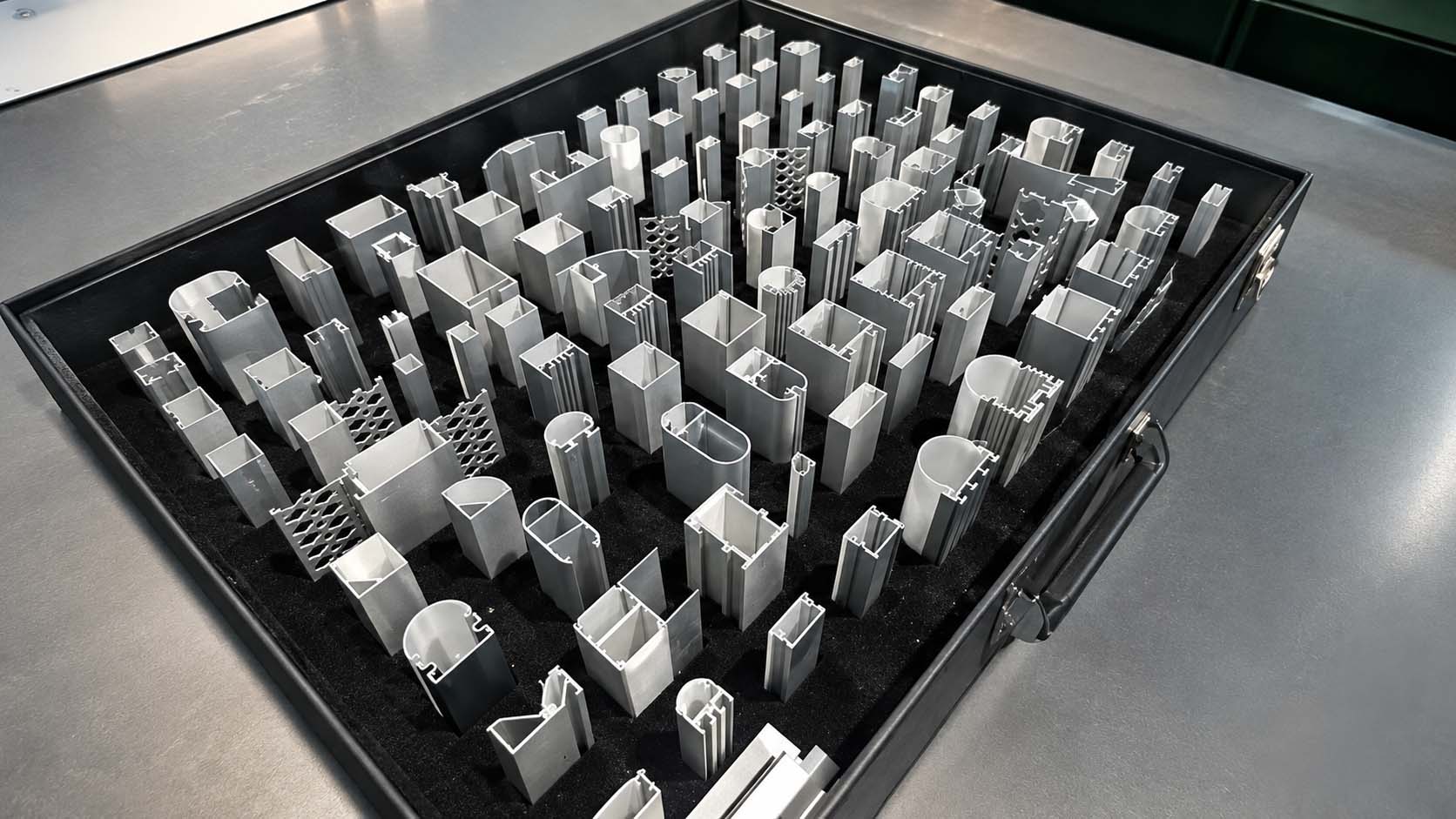
Housing design. Effective wall thickness, sealing faces and casting cleanliness all affect long-term leakage risk. For this housing design, we keep the effective wall thickness at critical areas above 6 mm.
A gasket seals by controlled compression
A silicone gasket works because it deforms under compression and spreads into the mating gap. For this end-cap design, we control the compression angle at 30°–40°. Too little deformation means insufficient sealing force; too much can introduce shear damage that turns into cracking after repeated thermal cycling.
Tolerance stack-up must be checked at both extremes
The body is an aluminium extrusion, the end cap is die-cast or CNC-machined, and the gasket is moulded. Their tolerances are nowhere near the same, so the design is checked at both the loosest and tightest conditions.
| Component | Typical tolerance | Worst-case check |
|---|---|---|
| Extruded aluminium body | ±0.15–±0.2 mm | Loosest: confirm compression still reaches the minimum target. Tightest: confirm groove fill does not exceed 90%. |
| Fumed silicone gasket | ±0.08–±0.1 mm | Check recovery, compression set and cord-diameter consistency. |
| CNC / die-cast end cap | ±0.05 mm | Check groove depth, surface finish and sealing-face consistency. |
Glass and end-cap sealing — four production steps
The last few millimetres often decide the result. Moisture trapped during assembly, incomplete curing and two-part sealant mix-ratio deviation can all become visible months later.
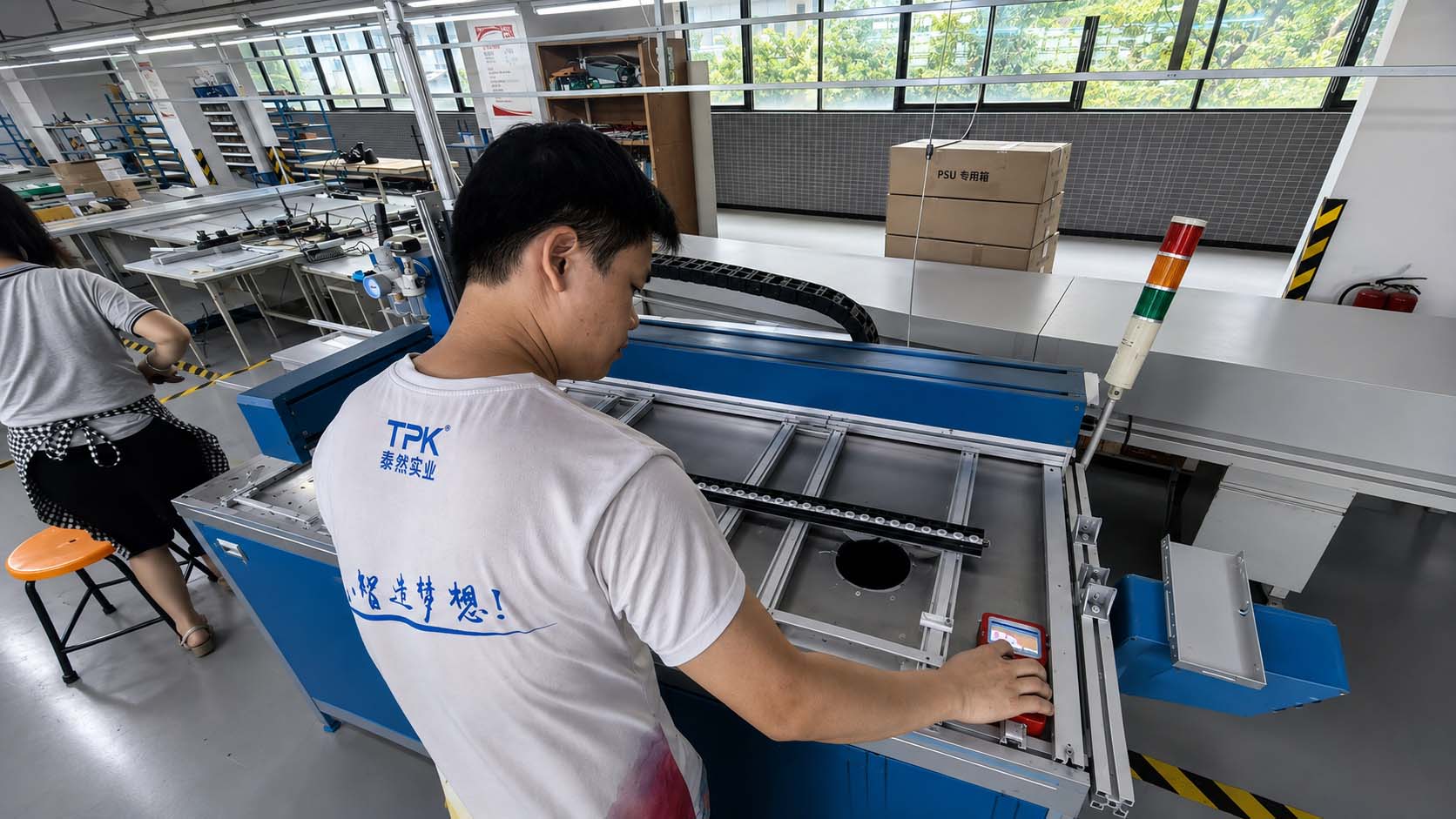
01 · Mix / dispense. Automated proportioning and a controlled dispensing path reduce hand-mixing variation.
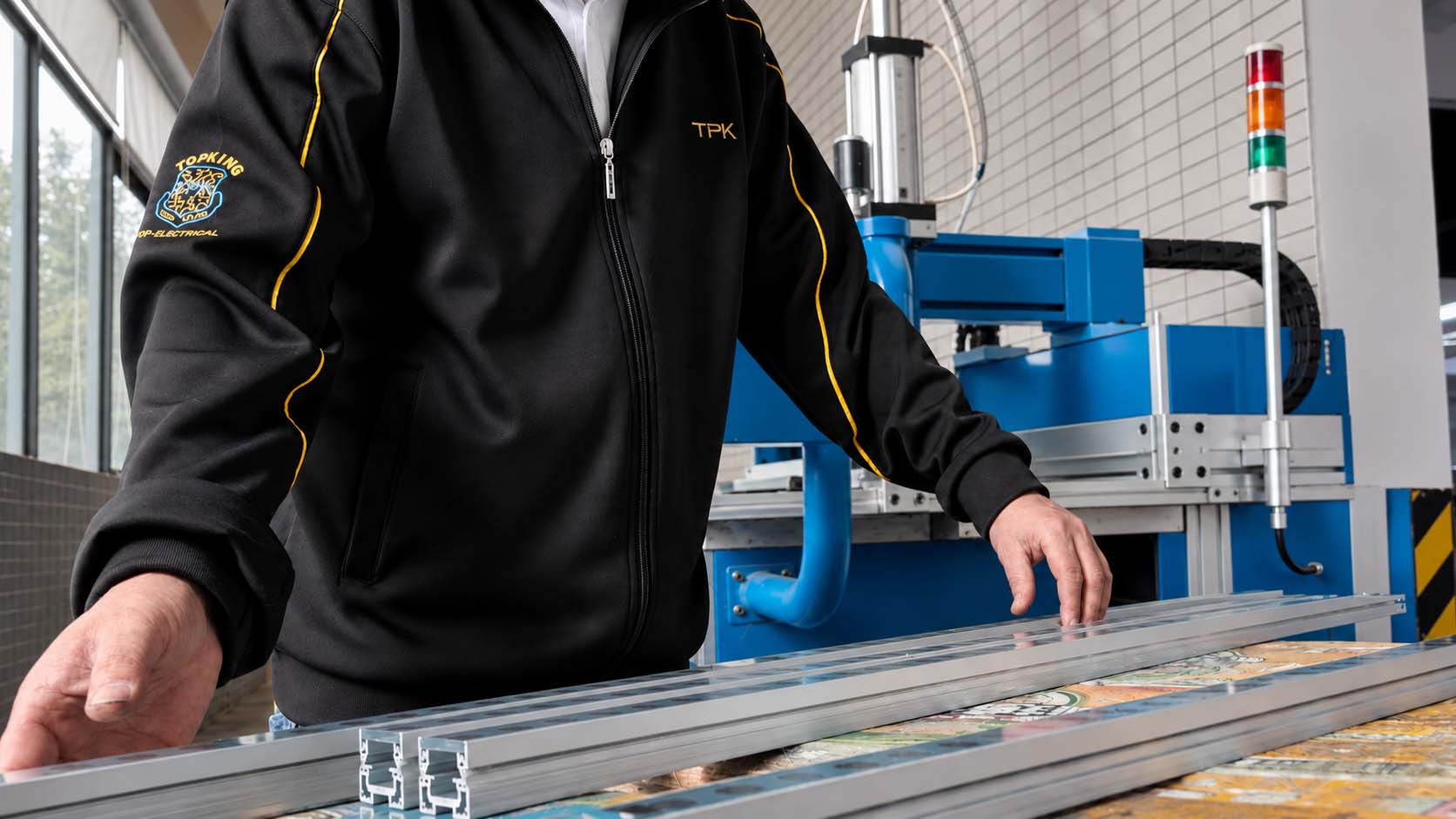
02 · Press the glass. Press the glass into the sealant bed while the material still has enough flow to wet out both surfaces.
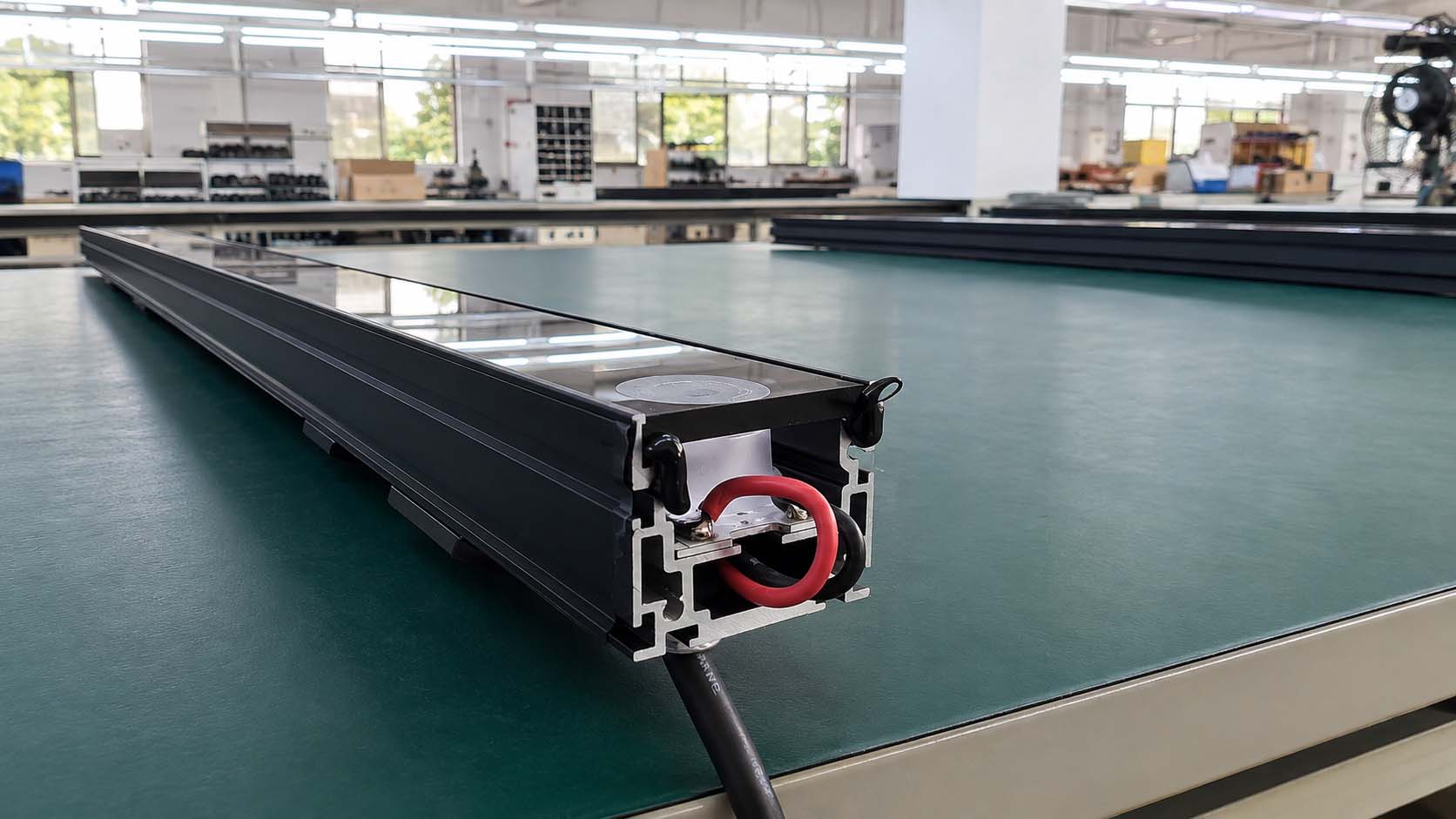
03 · Backfill both ends. The glass ends are one of the easiest places for a dispensing path to stop short.
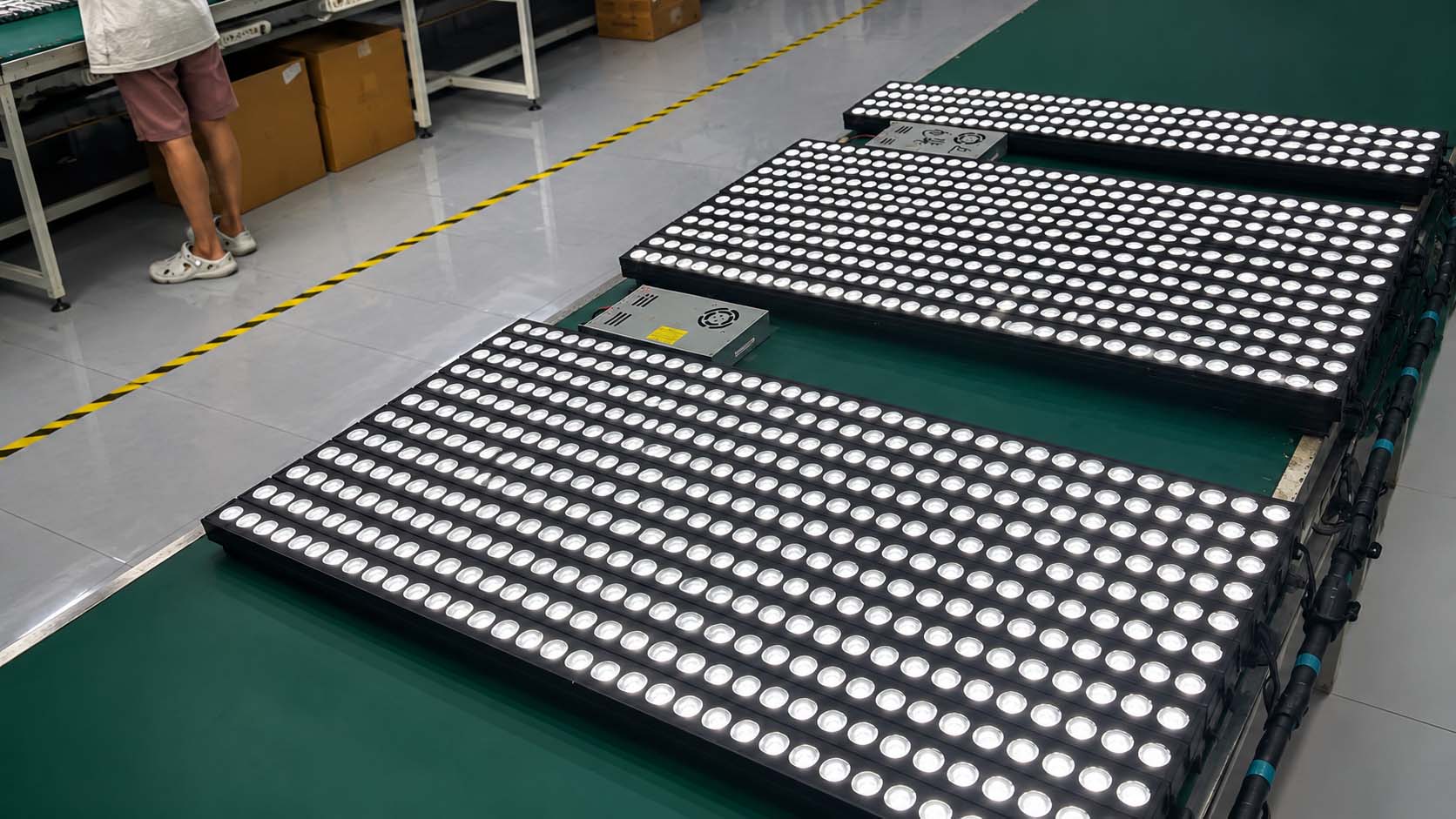
04 · Cure / age / final seal. Complete curing and full-power heat aging before final sealing help reduce trapped moisture.
Validation and 100% final screening
85°C / 85% RH is a widely used accelerated damp-heat aging condition. For production control we run 500-hour checks by batch; during new-product development, five samples per model are put through 1,000 hours. Before shipment, waterproofing is not handled by sampling alone — every luminaire goes through three checks.
Full-power heat-up
Run the luminaire at rated maximum power until thermal equilibrium so heat-related structural stress can expose weak points.
30-minute immersion while hot
Immerse the hot luminaire for 30 minutes to reproduce the rapid pressure drop when a fully loaded fixture is suddenly exposed to cold rain.
20 kPa air-leak check
After immersion, apply 20 kPa internal pressure and monitor retention to detect very small leakage paths that water testing alone may miss.
FAQ
Is an IP rating enough to guarantee long-term waterproofing?
No. An IP test verifies a condition at one point in time. Long-term reliability depends on materials, process control and validation working together as a system, which is why every luminaire also goes through final heat-up, immersion and air-leak screening.
Why does the housing need an ePTFE breather vent?
A sealed luminaire breathes with temperature: internal pressure can swing from positive to roughly -10 to -30 kPa. An ePTFE membrane equalizes that pressure through microscopic pores while blocking liquid water, reducing long-term stress on the sealing system.